Key Takeaways
- 1950s television featured a surge of science fiction programming, captivating audiences with imaginative stories of space travel and technology.
- Key shows include “Captain Video and His Video Rangers” and “Space Patrol,” which helped shape the genre on early television.
- The decade’s sci-fi programs set the stage for future hits and explored various themes from time travel to intergalactic adventures.
The Sci-Fi TV Landscape of the 1950s
In the 1950s, television emerged as a new medium for storytelling, creating a vibrant landscape rich in genres, especially science fiction. As families gathered in front of their small screens, shows about space and futuristic adventures captivated audiences, coinciding with America’s growing fascination with outer space, particularly after the Soviet Union launched Sputnik in 1957.
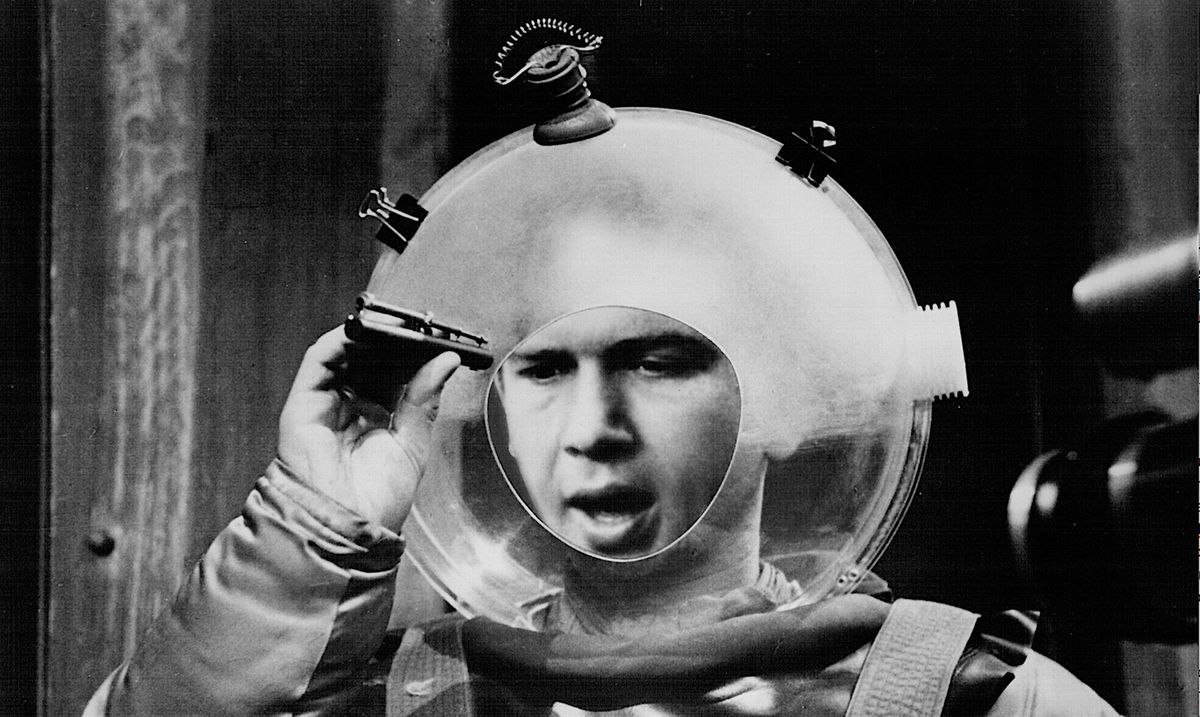
This decade saw the birth of pioneering sci-fi television programs, many of which became bedrocks of the genre. The first significant entry was “Captain Video and His Video Rangers,” which aired from 1949 to 1955. The series featured Captain Video and his team engaging in adventures from a secret base in the year 2254, setting a template for future offerings. The show achieved notable popularity, reaching around 3.5 million viewers by 1951.
Another influential series was “Space Patrol,” which aired from 1950 to 1955. This children’s show followed Commander Buzz Corry in the 30th century aboard the spaceship “Terra.” Blending action and better storytelling, it also inspired a radio series, further solidifying its legacy with a total of 129 episodes.
“Captain Z-Ro,” airing from 1955 to 1956, introduced viewers to a time-traveling protagonist who used advanced technology to explore historical events, influencing future hits like “Doctor Who” and “Quantum Leap.” Similarly, “Science Fiction Theatre,” hosted by Truman Bradley from 1955 to 1957, offered a blend of entertainment and education, basing stories on real scientific concepts, many of which echoed themes from “Scientific American” magazine.
“Flash Gordon,” aired from 1954 to 1955, brought comic strip heroics to television, while “Commando Cody: Sky Marshal of the Universe” addressed issues like climate change through its narrative of battling alien forces. This series, which targeted environmental themes, showcased the genre’s ability to blend entertainment with social commentary.
Another notable title, “Tom Corbett, Space Cadet,” ran from 1950 to 1955 and chronicled the adventures of young cadets training to become part of the Solar Guards. The show’s interactive approach led to a merchandise explosion, helping to popularize space-themed toys and comics.
“Tales of Tomorrow,” which aired on ABC from 1951 to 1953, presented a variety of adult-themed sci-fi narratives, establishing a format that would later influence anthology series like “The Twilight Zone.” This collection of stories ran for 85 episodes and spotlighted some of Hollywood’s most famous actors.
In contrast, “Johnny Jupiter” offered family-friendly content featuring Ernest P. Duckweather, who communicated with Jovian puppets through an invented television set, showcasing a more whimsical approach to science fiction.
Lastly, “Rod Brown of the Rocket Rangers,” broadcast from 1953 to 1954, featured the interplanetary adventures of a defense league protecting the galaxy from various threats. This series was notable for its serious treatment of scientific concepts, positioning itself as a forward-thinking entry in the sci-fi genre.
As the decade progressed, the blending of imaginative storytelling with real-world issues not only entertained viewers but also laid the foundation for the expansive sci-fi narratives that would follow in subsequent decades, ensuring the genre’s place in the cultural zeitgeist.
The content above is a summary. For more details, see the source article.