

Key Takeaways
- Japan has ordered 17 Boeing CH-47 Block II Chinook helicopters, enhancing its military capabilities.
- The CH-47 Block II variant features advanced technology and will replace older models used since the 1980s.
- This order solidifies a strong partnership between Boeing and Kawasaki Heavy Industries for co-production.
Japan Expands Its Chinook Fleet with Latest Variant
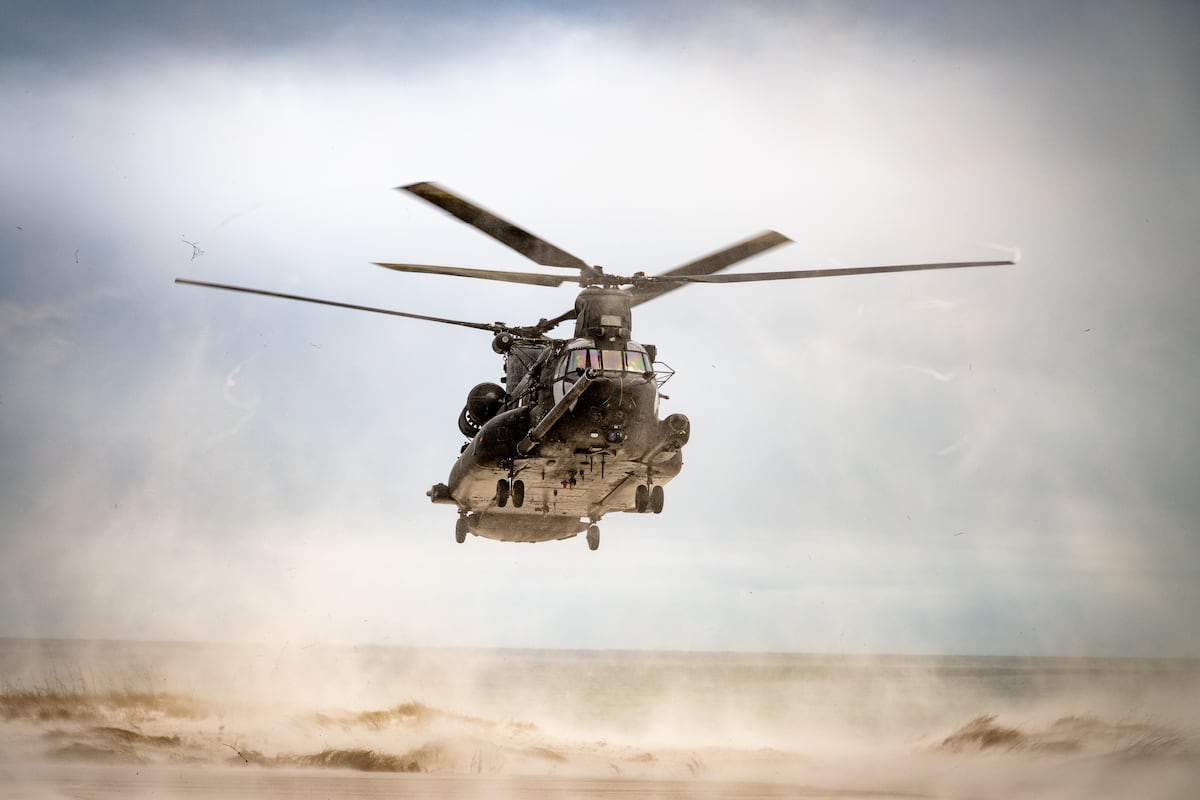
Japan is set to enhance its military capabilities through a recent order of 17 CH-47 Block II Chinook cargo helicopters from Boeing. Announced on Thursday, this acquisition marks a significant step for the Japan Self-Defense Forces, as these advanced helicopters will replace the older CH-47 JA models that have been in service since the 1980s. The new Chinook variant is recognized for its extended range and improved technologies, which have been developed in collaboration with Boeing and Kawasaki Heavy Industries.
The CH-47 Block II variant is designed for both improved stability and operational efficiency. It incorporates advancements in digital flight controls, a new fuel system, and a stronger airframe, which collectively enhance its lift capabilities. These helicopters are especially notable for their roles in critical operations, including their utilization during the Fukushima nuclear disaster in 2011, where they carried out essential missions under challenging conditions.
Japan’s decision to procure the Block II helicopters makes it the fourth international customer for this model, following contracts with Germany and the U.K. Germany previously committed to a substantial order of 60 Chinooks in a deal estimated at $4 billion. The U.K. has also finalized an agreement for 14 units early this year.
Boeing’s vice president and program manager for cargo programs, Heather McBryan, commented on the importance of this order, stating that it strengthens an enduring partnership with Kawasaki Heavy Industries while providing essential enhancements to the Japan Self-Defense Forces’ heavy-lift capabilities. This commitment highlights the significance of co-production efforts between the two companies in maintaining Japan’s military technology edge.
The U.S. Army had previously shifted its focus away from the CH-47F Block II to invest in future aircraft models, however, congressional pressure led to a revival in Block II production. The Army’s decision to halt its Future Attack Reconnaissance Aircraft program in 2024 freed up funding, allowing the production of the Block II variant to proceed for the active fleet.
Originally intended designs for the CH-47 Block II included new rotor blades; however, this feature faced complications due to vibrations that raised safety concerns. Despite the setbacks, the newer configuration promises critical improvements in stability and operational capacity.
Overall, this acquisition not only reflects Japan’s ongoing commitment to modernizing its military forces but also reinforces the collaborative efforts in defense manufacturing between Japan and the U.S. Boeing’s role in providing these advanced helicopters is pivotal as they transition into modern operations, ensuring both safety and efficiency in their missions.
The content above is a summary. For more details, see the source article.