


Key Takeaways
- Consumer behavior in the beauty industry is shifting towards more selective and value-driven purchases.
- Skincare, fragrance, and haircare categories are expected to show growth, while makeup sales are projected to remain flat.
- Beauty firms face challenges from high production costs and market saturation, impacting stock performance overall.
Changing Landscape of the Beauty Industry
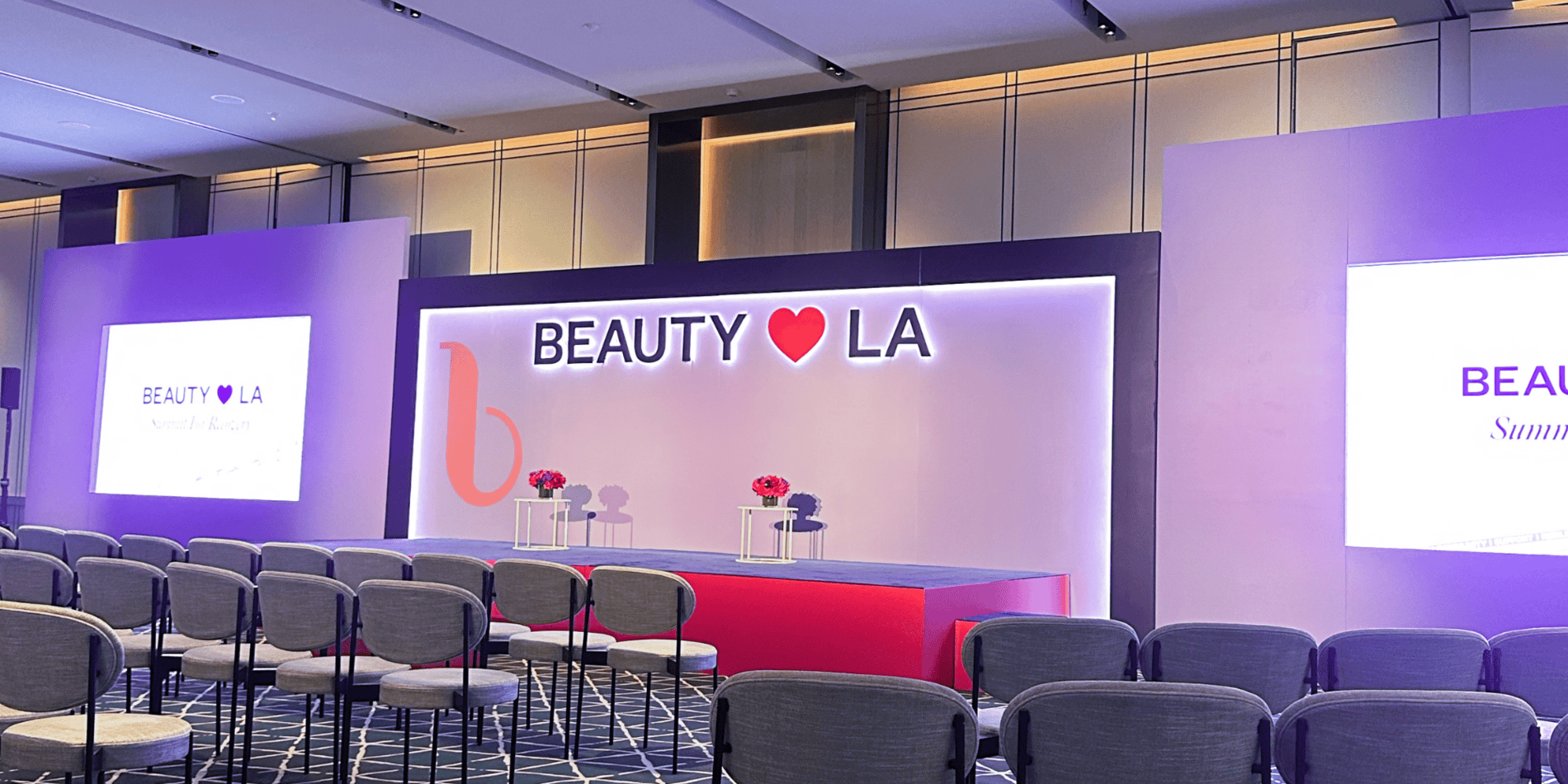
Insights from eMarketer indicate that the beauty boom may be nearing its end, according to Oliver Chen, a retail analyst at TD Cowen. Speaking at Beauty Loves LA, Chen highlighted significant changes in consumer behavior, characterized by a more discerning shopper who seeks value and newness amid economic pressures. As a response to these shifts, beauty companies are increasingly feeling the squeeze.
For the year ahead, projections suggest that skincare sales will rise modestly, while makeup sales remain stagnant. Haircare is expected to enjoy mid-single-digit growth, propelled by trends like “skinification,” allowing for greater integration of skincare benefits. Fragrance sales, particularly in niche markets, are predicted to surge as well.
Data from market research firm Circana showcases mixed results: prestige fragrance sales increased by 12%, and mass market by 9%, while skincare rose by only 2% in the prestige segment. Makeup saw a 3% decline in mass markets, reflecting changing consumer preferences towards simpler beauty routines. Haircare, however, stood out with a 9% increase in prestige sales.
Amid this evolving landscape, Chen noted that the beauty industry is experiencing a slowdown in product launches. Market research reveals that only 46% of new products launched last year were genuinely innovative, a noticeable decline from 54% in 2015. This drop can be attributed to high raw material costs, market saturation, and consumer demand for minimalistic routines.
Stock market performance among beauty brands echoes these challenges. Major companies, including Estée Lauder and E.l.f. Beauty, reported significant stock declines—averaging around 25% over the past year. Notably, E.l.f.’s stock has plummeted about 65% from its zenith due to disappointing profit forecasts and external factors like the impact of the Los Angeles wildfires.
Despite these hurdles, TD Cowen remains optimistic about E.l.f.’s future, praising its innovative approach and engagement strategies. The firm identifies key themes that could help beauty companies navigate this turbulent environment. These include integrating beauty with wellness and healthcare, enhancing social selling platforms, utilizing AI for personalized experiences, and reinforcing the link between physical and digital retail through loyalty initiatives.
Chen emphasizes that consumers no longer adhere strictly to traditional product categories. Instead, many are comfortable exploring brands across different price points, highlighting the need for companies to authentically connect with their audiences. The rise of social media, particularly short-form video platforms like TikTok—which boasts higher engagement rates than Instagram—reflects this evolving consumer landscape. Brands are encouraged to leverage genuine content to maintain customer loyalty while creating direct connections through controlled channels.
In this challenging era, brands must adapt to the evolving dynamics of consumer values and engagement, positioning themselves as integral to their customers’ lives.
The content above is a summary. For more details, see the source article.









