

Key Takeaways
- Smart plugs can enhance energy efficiency but have specific amperage limits that must be considered when used with high-power devices like space heaters.
- Most smart plugs are rated for 15 amps, which may not support multiple appliances running simultaneously, risking circuit overload.
- To ensure safe usage, choose plugs rated higher than 15 amps when possible, and avoid running high-wattage appliances continuously at full power.
Understanding Smart Plugs and Electrical Safety
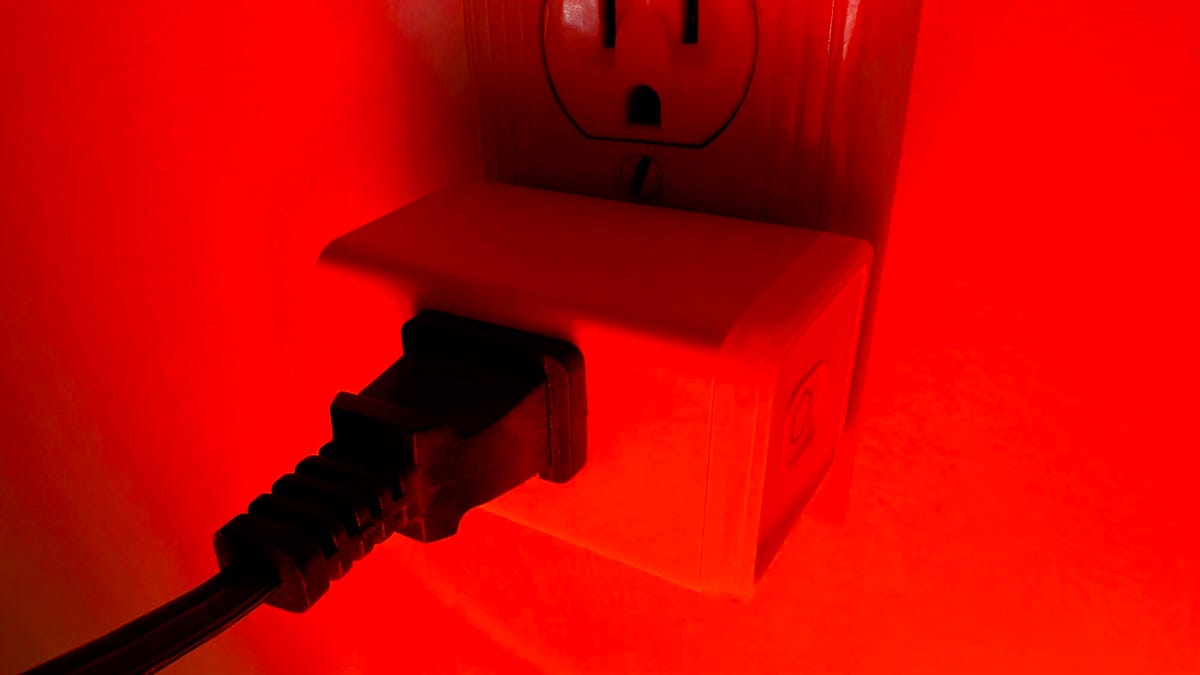
As temperatures drop, many people rely on space heaters and heated blankets, which can strain a home’s electrical system. Using smart plugs could help with energy efficiency, but it’s crucial to understand their limits, especially since the average U.S. home operates on 120 volts. Smart plugs typically share the amperage ratings of standard outlets, usually 15 or 20 amps, and exceeding these limits can trip circuit breakers or increase fire risk.
A study revealed that 70% of U.S. adults strive to use energy efficiently. However, when using high-power devices, such as heaters that may draw up to 1,500 watts, it is essential to know your circuit’s capacity. Most standard outlets can handle devices up to 1,800 watts; however, running such loads for extended periods is not advisable. Electrician Derek Rhoades stresses that appliances exceeding 1,440 watts should only be used briefly.
Smart plugs generally mirror the amperage of hardwired outlets, but care is needed with heavier appliances. Overloading occurs easily if multiple high-wattage devices are operated simultaneously on the same circuit. To mitigate risk, look for smart plugs with higher ratings when available, and consider running appliances at lower settings. Ensuring each device’s power draw is within the circuit rating will help prevent overheating and maintain safety in any home.
The content above is a summary. For more details, see the source article.