

Key Takeaways
- Smart bulbs can become unusable when light switches are turned off, disrupting home automation.
- Smart switches provide more reliable control and can work with standard bulbs, enhancing automation.
- Transitioning to smart switches allows for easier replacements and improved home automation without needing to retrain users.
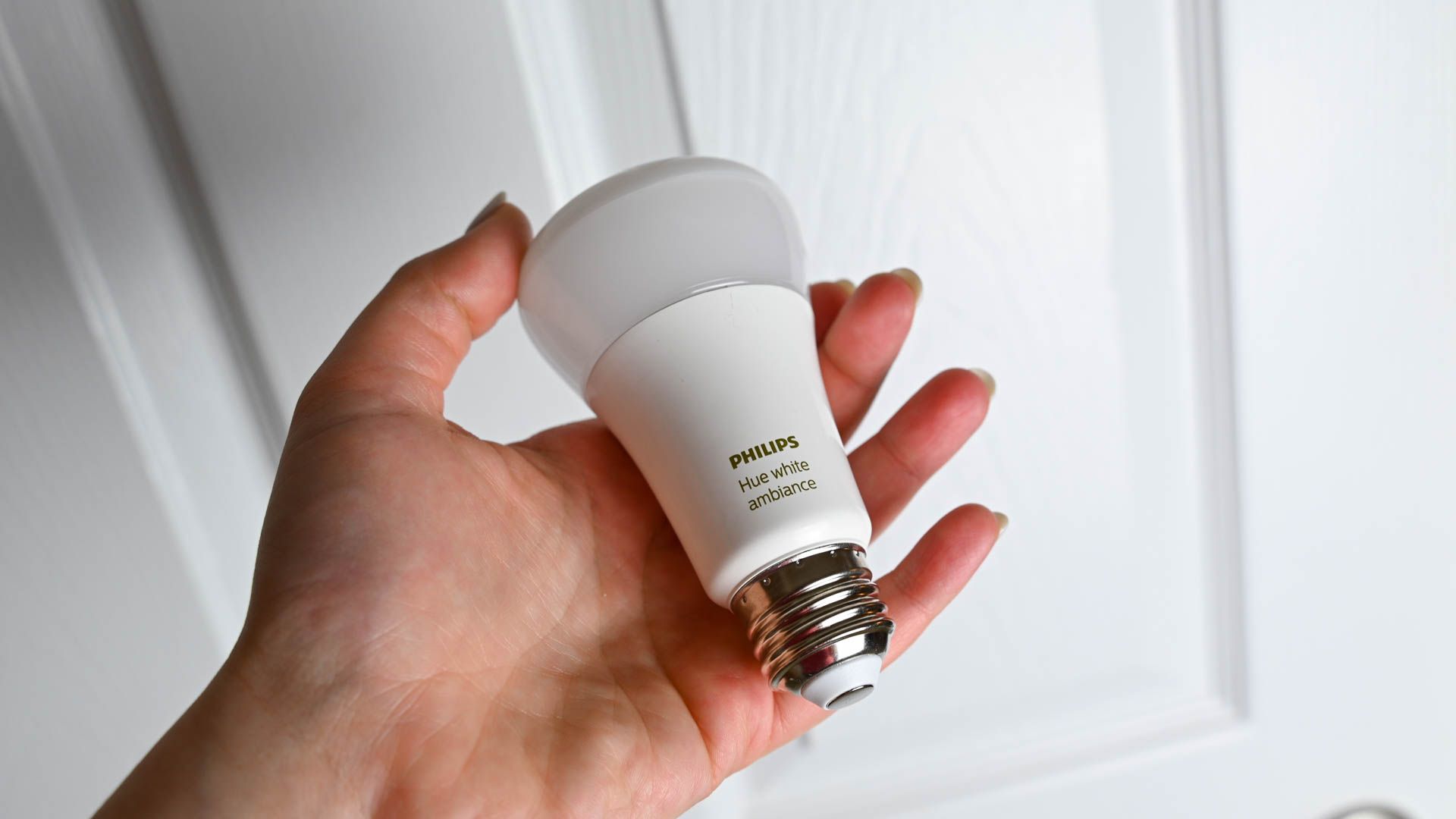
The author reflects on their experience with smart home technology, particularly smart bulbs, noting significant drawbacks that hinder their effectiveness. Smart bulbs require continuous power to remain operational. When someone turns off the light switch, the smart bulb loses its connectivity, making it impossible to control remotely, thus negating any home automation setups. The author found that their smart bulbs often stayed inoperable longer than they were functional due to this limitation.
While initial excitement surrounded features like color changing and remote control, the novelty soon wore off. The author admits to rarely utilizing the color features of smart bulbs, suggesting that standard white bulbs could serve the same purpose effectively. Moreover, replacing a smart bulb poses challenges as new bulbs must be re-paired with the smart home system and existing automations updated, presenting an unnecessary hassle.
Smart switches emerge as a superior solution, enabling control over the power supply to bulbs instead of the bulbs themselves. This means switches can be used without disrupting the smart home setup should someone turn them off. Smart switches also allow for the use of standard, less expensive bulbs while maintaining smart functionalities through automation. The potential for combining smart switches with smart bulbs is also noted, but the focus shifts to the reliability and user-friendliness of switches alone.
In conclusion, the author expresses a desire to replace failing smart bulbs with smart switches, highlighting the benefits of enhanced home automation capabilities and lower costs associated with standard bulbs. The transition signifies a shift toward a more efficient and user-friendly smart home system.
The content above is a summary. For more details, see the source article.