


Key Takeaways
- API testing tools enhance mobile application development with support for various protocols and automation capabilities.
- Performance issues may arise with an excess of requests or environments, necessitating careful resource management.
- Key considerations during mobile API testing include security, performance, error handling, and device compatibility.
Benefits of Mobile API Testing Tools
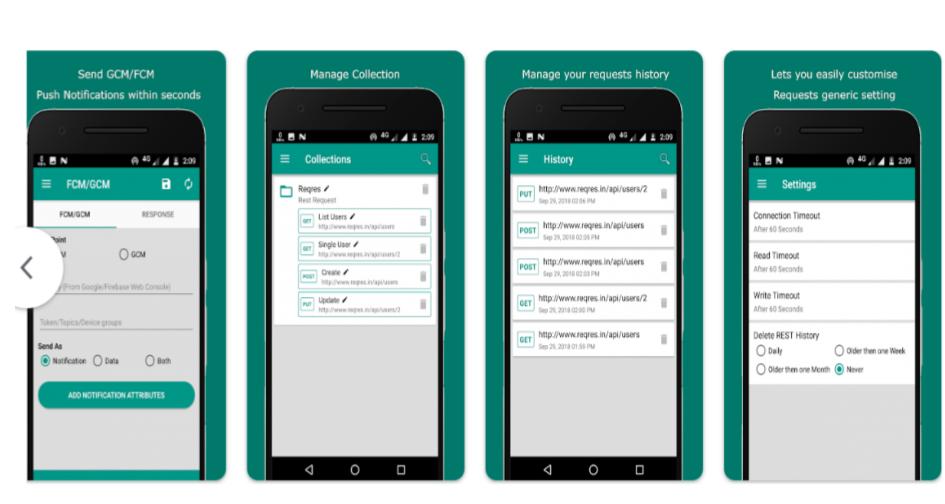
A wide array of tools is available for testing APIs in mobile applications, offering significant advantages such as compatibility with multiple protocols, support for various data formats, and diverse authentication methods. These tools enable the automation of tests through assertions in JavaScript, along with built-in libraries and runners to validate API functionality and performance across different scenarios.
However, challenges persist in mobile API testing. When faced with numerous requests, collections, or environments, performance may decline, highlighting the need for optimized resource management. Mock servers within API testing tools facilitate the creation and hosting of simulated APIs that produce predefined responses based on requests.
To effectively perform mobile API testing for an application, the following essential steps must be undertaken:
Key Steps to Follow
1. **Tool Setup**: Initiate the process by creating a new collection for the developed mobile application.
2. **Identify API Endpoints**: Consult the API documentation to ascertain available endpoints, necessary request parameters, and expected responses.
3. **Add API Requests**: Introduce new requests to the collection, establishing the correct HTTP methods, URLs, required headers (including authentication tokens), and body parameters.
4. **Simulate User Actions**: Generate test cases that mirror real user interactions, such as user login, balance inquiries, fund transfers, bill payments, and transaction history checks.
5. **Test with Various Data**: Prepare multiple test scenarios that encompass valid, invalid, edge (e.g., large transactions or low balances), and diverse user types.
6. **Validate Responses**: Utilize built-in assertions to verify the accuracy of status codes, response structures, and data relevance for each API call.
7. **Debug with Proxy**: Configure mobile devices to use proxies for capturing actual API requests sent by the application, allowing for detailed analysis.
8. **Integrate with CI/CD**: Employ Collection Runners to automate testing processes and seamlessly incorporate them into the CI/CD pipeline.
Critical Considerations for Mobile API Testing
When testing mobile applications, several factors demand careful attention:
– **Security**: Validate authentication measures (e.g., OAuth), ensure robust encryption, and prioritize data privacy, particularly with financial APIs.
– **Performance**: Monitor vital operations, such as balance checks, to maintain prompt response times and enhance user experiences.
– **Error Handling**: Investigate the application’s capacity to manage error conditions effectively, accompanied by adequate user feedback mechanisms.
– **Device Compatibility**: Conduct tests across various devices and operating systems to confirm consistent API behavior.
Modern API testing tools come with interfaces allowing programmatic data manipulation, which simplifies the process of testing various types of APIs. This flexibility enhances the overall efficiency of mobile API testing efforts, ultimately contributing to more robust and user-friendly applications.
The content above is a summary. For more details, see the source article.









