
Key Takeaways
- Modern medical practices must adopt technology to enhance patient care and operational efficiency.
- Electronic Health Records (EHR) and telemedicine improve accessibility and streamline administrative tasks.
- Integrating smart wearable devices into patient care can lead to proactive health management and better outcomes.
Enhancing Medical Practices with Technology
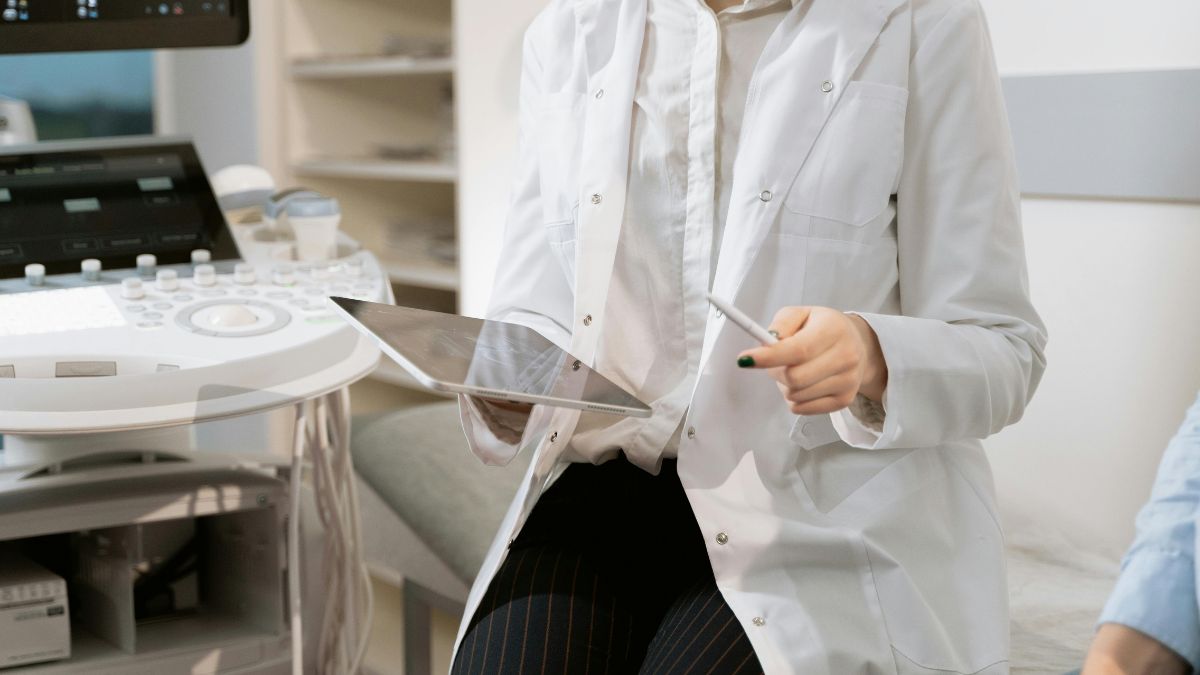
The healthcare sector is evolving rapidly, making it essential for medical practices to adopt new technologies. Embracing the latest tools is crucial for enhancing patient care and streamlining administrative functions. By leveraging technology, practices can modernize operations and improve the patient experience.
A critical aspect of a thriving medical practice is its reputation. Patients increasingly research their healthcare options online and expect an efficient, seamless experience. Digital tools such as online appointment scheduling, automated reminders, and secure messaging platforms allow practices to offer convenience and quick responses to patient inquiries. These innovations help build trust, increase patient retention, and generate referrals through positive experiences.
Among the essential technologies, Electronic Health Records (EHR) stand out. Traditional paper records are being replaced by EHR systems, which provide instant access to accurate patient information for all care professionals. This transition reduces errors, minimizes redundant tests, and facilitates personalized treatment plans. Advanced EHR systems utilize artificial intelligence and predictive analytics to identify potential health risks, enabling timely interventions that can significantly improve patient outcomes.
Telemedicine has also gained prominence, evolving from a necessity into a staple of modern healthcare. It offers patients the convenience of remote consultations, especially beneficial for those in rural areas or with mobility constraints. For medical practices, telemedicine enhances operational efficiency by decreasing no-show rates and allowing providers to manage more patients without requiring additional office space.
The increase in administrative duties can burden medical practices, often detracting from patient care. Automation can alleviate this issue by streamlining scheduling, billing, and patient communication. Smart scheduling systems automatically manage appointments, while AI-driven chatbots assist with common inquiries. This reduces the workload for staff and allows providers to focus on delivering quality care.
Additionally, wearable health technology is transforming how practices engage with patients, moving beyond simple fitness tracking to real-time health monitoring. Devices that track heart rates, blood sugar levels, and sleep patterns enable proactive management of chronic conditions. By integrating data from wearables into patient records, medical professionals can offer more tailored care, leading to early interventions and improved long-term health outcomes.
In summary, adopting modern technology is vital for medical practices aiming to enhance patient care, improve operational efficiency, and maintain a strong reputation. EHR systems, telemedicine, automation, and wearable devices collectively pave the way for a more effective, patient-friendly healthcare environment.
The content above is a summary. For more details, see the source article.