


Key Takeaways
- The Air Force aims to expedite the retirement of outdated aircraft to fulfill a budget reduction mandate from Defense Secretary Pete Hegseth.
- Congress has a history of opposing such cuts, complicating the Air Force’s effort to modernize its fleet and manage its budget effectively.
- Budget proposals for fiscal 2026 may involve over $17 billion in cuts, but specific areas of savings, including diversity programs and climate initiatives, may not yield enough funds.
Air Force’s Budget Challenges and Future Plans
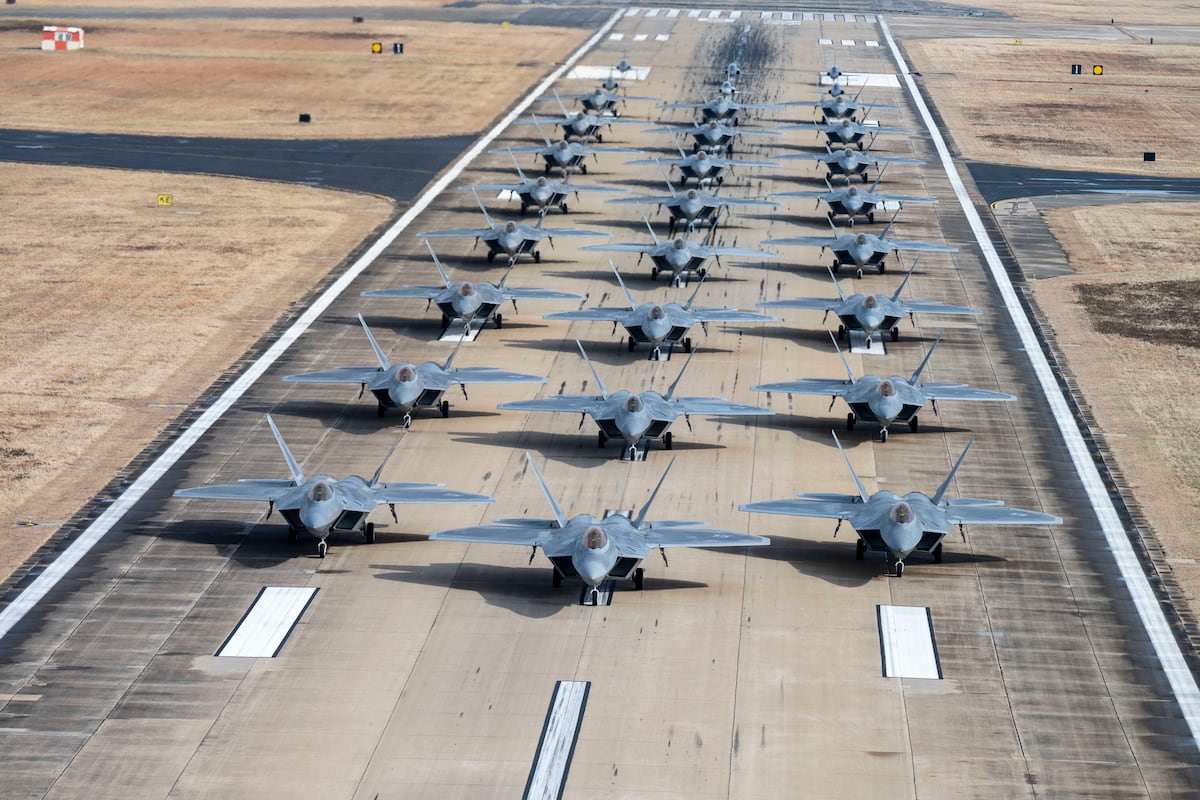
The U.S. Air Force is looking to fast-track the retirement of its older aircraft to adhere to directives from Defense Secretary Pete Hegseth, who has requested to cut and reallocate a portion of their fiscal budget. This move comes as part of a broader target to save 8% of the previously proposed budget. The challenges surrounding these cuts are significant; previous attempts to retire aircraft, including the A-10 Warthog and early F-22 Raptors, have faced severe pushback from Congress, where lawmakers fear the impact on their constituencies.
Hegseth’s mandate could mean cutting upwards of $17 billion from the Air Force’s budget, with $15 billion directly affecting the Air Force. Hegseth claims these measures constitute a reallocation rather than outright cuts, aimed at enhancing defense capabilities. However, defense analysts express concerns over finding such significant reductions within a budget that has already been trimmed extensively over previous decades. Doug Birkey, the executive director of the Mitchell Institute for Aerospace Power Studies, suggests that previous cuts have already addressed the easier avenues for budget reduction, leaving limited options.
In addition to military aircraft retirements, the focus on eliminating diversity, equity, and inclusion (DEI) programs, alongside climate change initiatives targeted by the Trump administration, raises questions about the feasibility of meeting the 8% reduction target. Experts indicate that simply cutting DEI and climate funding may not meet the extensive budgetary goals, emphasizing that deeper cuts may need to target critical research and development initiatives essential for future military capabilities.
Heather Penney, a former F-16 pilot, warns against cutting into research and development, as these investments are crucial to maintaining the Air Force’s competitiveness in advanced technology. The development of next-generation systems like the Next Generation Air Dominance platform and the B-21 Raider stealth bomber must continue unimpeded to ensure the Air Force does not miss vital upgrades.
The Air Force’s budget request for 2025 indicated $188 billion in funding, with significant portions allocated for operations and maintenance, personnel costs, and procurement. Critics note the Space Force’s situation complicates potential cuts, as it operates on a tighter budget that lacks sufficient leeway for reductions.
Hegseth has exempted nuclear modernization programs from budget cuts, emphasizing their importance. The Air Force is actively modernizing its intercontinental ballistic missile systems and developing the collaborative combat aircraft program, which will utilize drones alongside traditional fighter jets.
Despite a focus on retiring outdated aircraft, including the A-10s and certain F-22s, gaining approval from Congress remains perilous. Historical resistance has emerged particularly with high-profile cases like the A-10, which has significant congressional backing due to its strategic role in previous conflicts.
As the Air Force grapples with its budget ambitions and modernization needs, the ongoing dialogue with Congress will determine the effectiveness of these measures. Analysts argue that without successful fleet reductions and reallocations, the Air Force’s ability to adapt and modernize may be severely hampered. The long-standing struggle between the Air Force’s leadership and congressional priorities underscores the complexities surrounding military budgeting in an era of evolving defense needs.
The content above is a summary. For more details, see the source article.









