

Key Takeaways
- NATO conducted unmanned surface vessel demonstrations in the Baltic Sea to enhance underwater surveillance capabilities.
- The exercises involved the integration of manned and unmanned assets and were part of Task Force X, aimed at safeguarding critical undersea infrastructure.
- The initiative leverages experiences from U.S. Navy’s Task Force 59 and focuses on improving maritime domain awareness with uncrewed systems.
NATO’s Underwater Surveillance Efforts
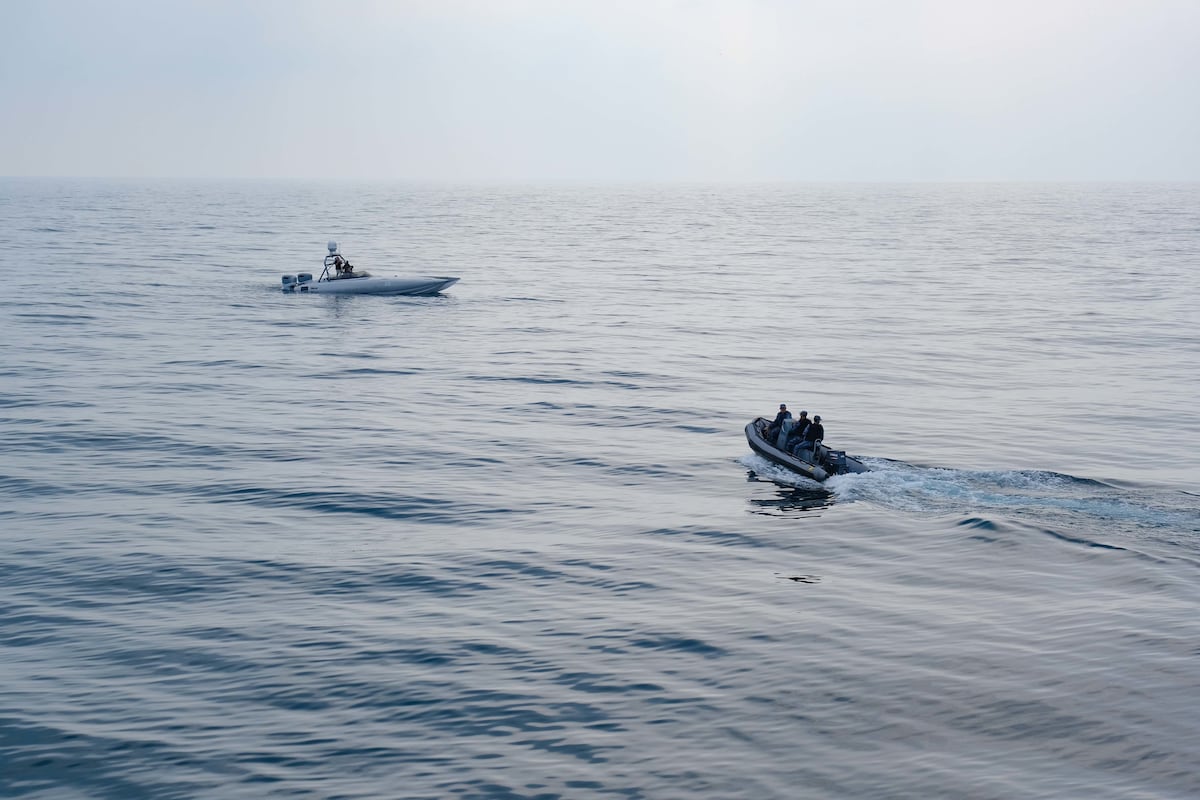
NATO showcased its enhanced underwater surveillance capabilities with demonstrations of unmanned surface vessels in the Baltic Sea, aimed at deterring sabotage against critical undersea infrastructure. The exercises took place near Denmark from February 17 to 20 and integrated both manned and unmanned assets through live-firing events and tactical maneuvers.
The operation was part of the alliance’s Task Force X initiative, which was established earlier this month by NATO’s Allied Command Transformation. “It provides a framework for all nations to contribute by enabling the deployment of their autonomous capabilities,” stated Adm. Pierre Vander, the commander of Allied Command Transformation. He underscored the importance of this collaborative approach in addressing surveillance gaps, particularly in areas not covered by existing systems like the Automatic Identification System.
The demonstration enlisted additional support from ships belonging to NATO’s Standing NATO Maritime Group 1, along with the Royal Danish and German Navies. In an interview with Defense News, Adm. Vander elaborated on the alliance’s plans to develop its first fleet of naval surveillance drones. The new fleet is expected to utilize platforms that have been tested through U.S. Navy’s Task Force 59, which focuses on integrating unmanned systems and artificial intelligence within the U.S. Navy’s operations in the 5th Fleet area from Bahrain.
According to a release from Allied Maritime Command, Task Force X will also draw from successful initiatives like the U.S. Navy’s TF66, which explores the application of uncrewed systems in the Europe-Africa operational area. Formed in 2023, this coalition comprises civilian and military personnel who are rigorously testing an array of unmanned maritime systems under varying conditions, differing from those in the Gulf region.
Last year, Task Force X initiated a pilot program aimed at enhancing maritime domain awareness. This program included trials of the autonomous underwater and surface vessels of the Ocean Aero Triton platform. Such efforts emphasize NATO’s commitment to bolstering its surveillance capabilities in an increasingly strategic region, reinforcing its readiness and adaptability in response to emerging security threats.
These advancements reflect NATO’s ongoing strategic initiatives to enhance collective security through innovation and collaboration, ensuring a robust presence in vital maritime areas. The integration of advanced technologies in maritime operations signifies a crucial development in NATO’s approach to modern defense challenges.
The content above is a summary. For more details, see the source article.