

Key Takeaways
- KALRO has digitized agricultural innovations, making vital farming information accessible to farmers through digital platforms.
- Upcoming CGIAR Science Week in Nairobi will showcase technologies for climate-smart agriculture and pest management.
- Collaboration with partners aims to enhance agricultural research funding and develop region-specific technologies for smallholder farmers.
Digital Innovations in Agriculture
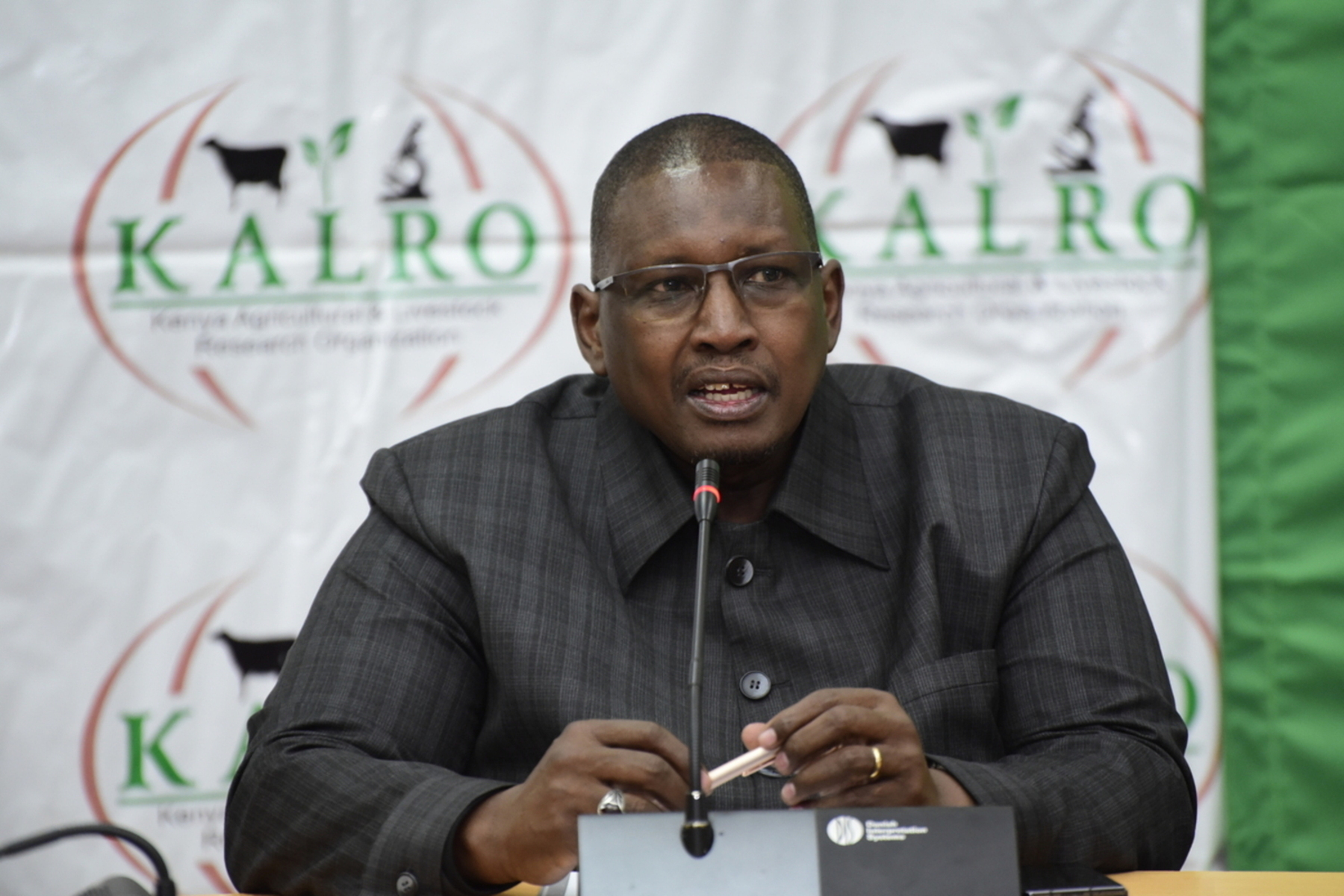
The Kenya Agricultural and Livestock Research Organization (KALRO) has launched a digitization initiative to provide farmers with easy access to essential agricultural information via digital platforms. Dr. Eliud Kireger, KALRO’s Director General, announced this development during a media briefing in Nairobi ahead of the CGIAR Science Week, scheduled for April 7-12. This initiative addresses the shortcomings of traditional extension services, ensuring that farmers have immediate access to resources related to climate-smart farming, improved seed varieties, and effective pest management.
Given the significant challenges posed by climate change, Dr. Kireger emphasized the need for farmers to access innovative technologies. The upcoming Science Week will display these advancements, showcasing both locally developed solutions and those from other regions that can enhance food and nutrition security in Kenya. “Science can help in producing more with less while conserving natural resources,” Dr. Kireger stated.
He acknowledged agriculture’s dual role in climate issues, highlighting that, while it contributes to greenhouse gas emissions, it also plays a critical part in carbon sequestration. The significance of hosting the Science Week in Nairobi underscores Kenya’s status as a key player in agricultural research in Africa.
The initiative will also spotlight successful agricultural transformation models from various partners. Dr. Kireger noted the importance of joint partnerships for research funding, allowing technologies to be adapted across sub-Saharan Africa, where similar climatic and socioeconomic conditions exist.
Addressing the pressing challenges in Kenyan agriculture, especially regarding drought-sensitive crops, Dr. Kireger outlined the promise of climate-smart technologies during the Science Week. These innovations aim to alleviate the challenges of drought and new pests, offering real-time agronomic data and accessible solutions for smallholder and medium-scale farmers.
Echoing these sentiments, Dr. Ismahane Elouafi, Executive Managing Director of CGIAR, highlighted the necessity of creating an innovative environment for local manufacturing of agricultural inputs like fertilizers and seeds. The establishment of climate-smart villages in Kenya exemplifies efforts combining agroforestry and solar irrigation, which have been well-received by farmers.
Dr. Kireger reiterated the importance of making farming technologies affordable, as high costs for seeds and pesticides currently hinder productivity. Improved access to quality inputs is essential for enhancing agricultural outputs and ensuring food security across the nation.
The content above is a summary. For more details, see the source article.