

Key Takeaways
- GoodSAM Foods has secured $9 million in a Series A funding round, increasing total funding to $10.5 million.
- The company promotes a direct trade model that benefits smallholder farmers by ensuring fair wages and market access.
- Challenges in regenerative farming include the need for a business model shift to support sustainability beyond profit motives.
Funding and Company Overview
GoodSAM Foods, a company focused on regenerative and natural products, has successfully raised $9 million in a Series A funding round, bringing its total funding to $10.5 million. The round was primarily led by Bogotá-based Acumen Latam Impact (ALIVE) Ventures alongside the U.S. venture capital firm Desert Bloom. The new funding will be allocated towards expanding the team, developing new products, and enhancing its unique “direct trade” model with smallholder farmers.
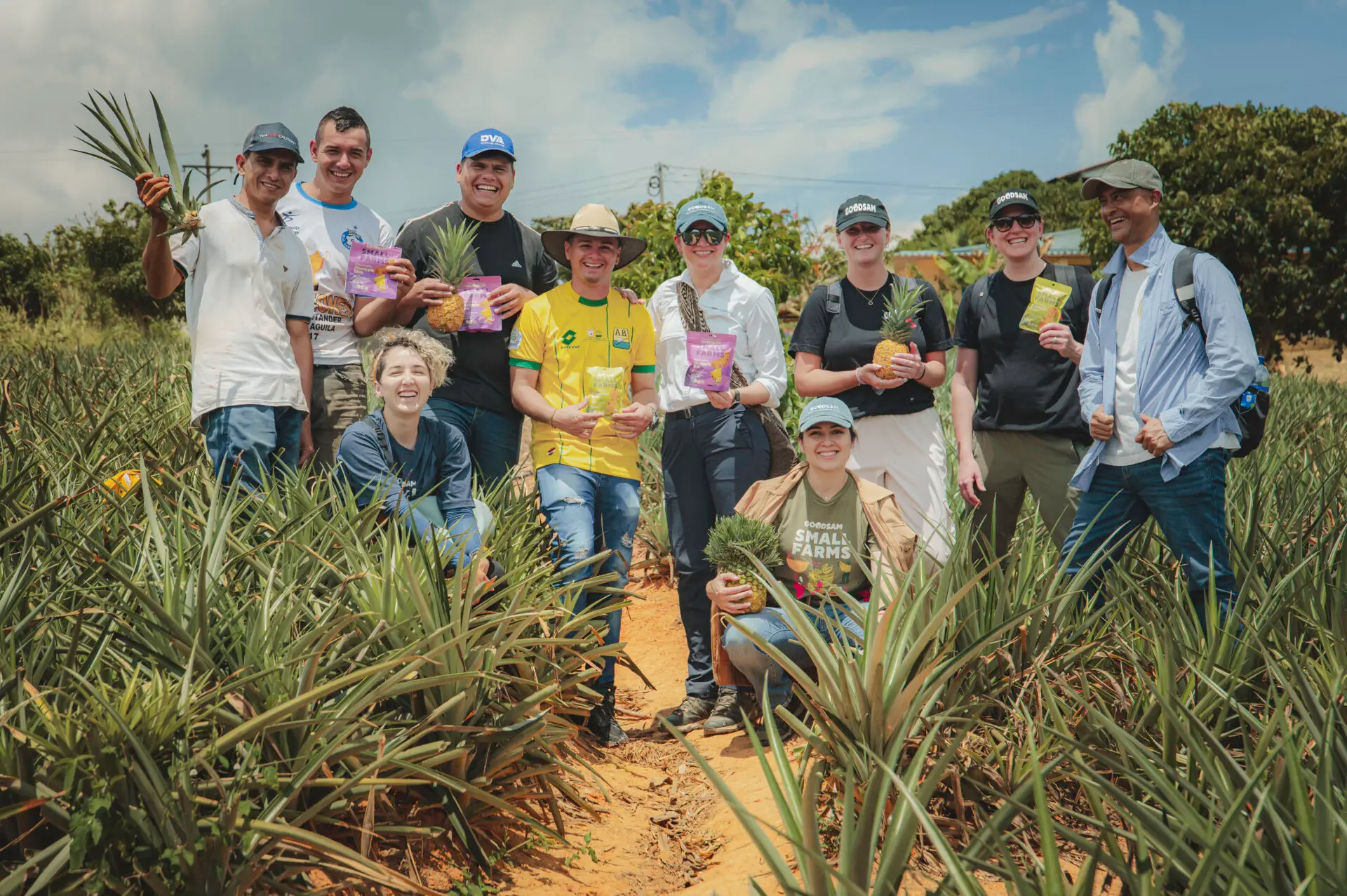
This innovative direct trade approach eliminates intermediaries often associated with price inflation, allowing GoodSAM to source product directly from farmers. This method ensures that these farmers receive fairer compensation while gaining access to markets that are otherwise difficult for them to penetrate, even in supposedly regenerative agricultural systems.
Supporting Smallholder Farmers
GoodSAM focuses on sourcing nuts, coffee, and fruit chips, predominantly from growers in Latin America and Africa. Given its significant operational ties to Latin America, the involvement of ALIVE Ventures in this funding round is crucial. Other notable Latin American investors include the LATAM Impact Fund, Promotora Social Mexico, and the Peterffy Family Foundation’s One Small Planet, along with participation from Connecticut Innovations.
Heather K. Terry, CEO and founder of GoodSAM, expressed gratitude for the support from Latin American investors, highlighting that it aligns with the company’s vision of promoting sustainable practices in the region. The emphasis on empowering farmers was a key reason for ALIVE Ventures’ investment, according to managing partner Virgilio Barco, who labeled GoodSAM as a leader in helping smallholders in regenerative agriculture tap into premium markets, thereby fostering prosperity and climate resilience.
Challenges in Regenerative Systems
In a recent discussion, CEO Heather K. Terry shared insights into the broader challenges GoodSAM faces in nurturing not just regenerative farming but holistic regenerative systems. The transition for farmers to adopt these new practices is complicated, compounded by the established business models focused heavily on profit.
Terry noted that while there is a genuine desire among consumers to support sustainable practices, the prevalent profit-first mentality in corporations leads to cuts in crucial areas when financial returns falter. This creates an uneven burden on farmers and brands, who are often left to finance the costs associated with regenerative practices and necessary certifications, while other stakeholders, such as brokers and retailers, remain less effected by these financial demands.
The current imbalance represents a significant risk to the future of regenerative initiatives. For these efforts to succeed, Terry suggests a fundamental reevaluation of business models is necessary. Stakeholders must consider what sacrifices they are willing to make for the greater good of creating a sustainable food system that ensures the prosperity of both humanity and the environment.

The content above is a summary. For more details, see the source article.