


Key Takeaways
- A study surveyed 116 professionals in the US, revealing a general perception that large-scale wind and solar energy projects negatively impact biodiversity, though less than fossil fuels and agriculture.
- The research emphasizes the critical role of practitioners in managing the trade-offs between renewable energy expansion and biodiversity protection.
- Regional differences indicate varying perceptions of the impacts of these energy projects on biodiversity, heavily influenced by local contexts and affiliations.
Study Overview
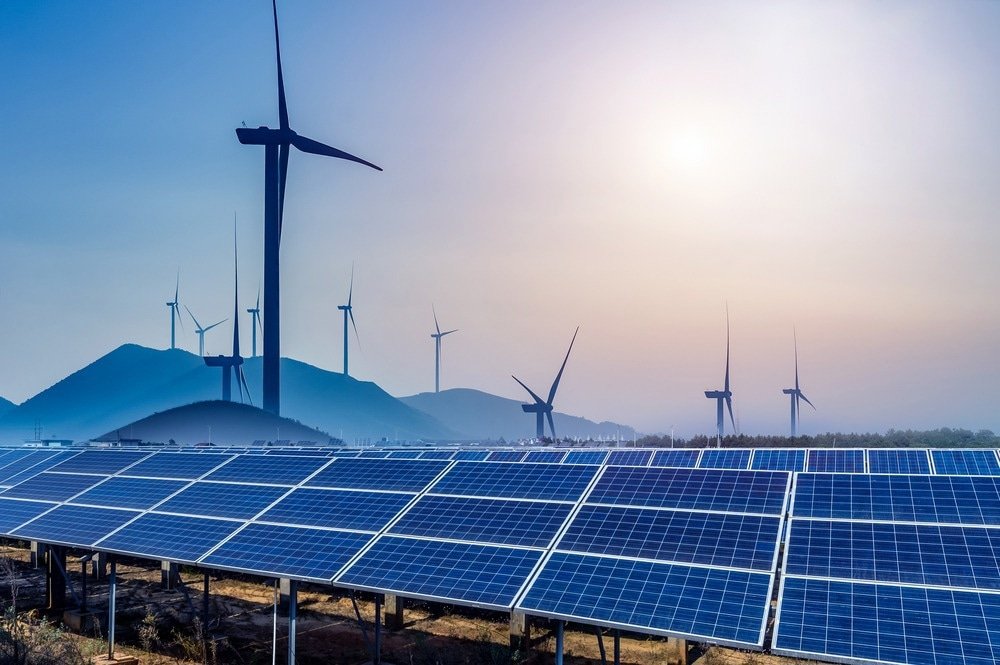
A recent study published in Humanities and Social Sciences Communications investigated the perceptions of 116 professionals regarding the impact of large-scale wind and solar (LSWS) energy on biodiversity in the United States. While most respondents recognized that these renewable energy developments could negatively affect biodiversity, they regarded those effects as less severe than those stemming from fossil fuel production and agricultural practices.
The significance of practitioners in addressing the complexity of balancing renewable energy growth and biodiversity conservation was a core theme of the study. It underscored the necessity to consider how these professionals manage trade-offs at various stages of planning and development.
Understanding Historical Context
Past research has established that land use changes are a primary driver of biodiversity loss. Expanding energy needs contribute notably to these challenges. This study builds upon earlier findings which also focused on ecological impacts from agriculture, urbanization, and other land-use changes, highlighting the varying perceptions that influence decision-making related to land-use policies.
To gather insights, researchers classified respondents according to their professional backgrounds, including federal and state agencies, universities, tribal groups, utilities, and environmental organizations. An electronic survey was disseminated, targeting a broad spectrum of professionals involved in renewable energy and biodiversity discussions. The survey utilized a Likert scale to ask respondents to evaluate the impact of LSWS projects on native species and ecosystems, comparing these impacts to other land-use changes.
Perceptions of Biodiversity Impact
The survey outcomes indicated that practitioners largely perceived LSWS energy development as detrimental, with significant portions viewing both solar and wind energy as harmful to various species and ecosystems. Specifically, about 46% recognized solar energy as damaging to native plants while 44% asserted it negatively affected animals. In contrast, only 9% noted any positive impacts.
When measured against other land-use changes, LSWS was deemed to have a comparatively mild impact on biodiversity. By 2050, many practitioners anticipated that urban growth and industrial agriculture would inflict more severe harm than LSWS, although some still viewed fossil fuel extraction as potentially more damaging.
The study also highlighted regional variations in perceptions. For instance, practitioners from the Pacific Coast and Northeast regions equated solar energy impacts similarly with those of fossil fuel extraction, while others in the Southwest viewed its effects as more harmful than industrial timber operations. Wind energy perceptions remained somewhat consistent across regions, often regarded as neutral for plants but negative for animals.
Analysis of the responses indicated that workers affiliated with non-governmental organizations generally perceived solar projects to have fewer negative impacts than those associated with state agencies and research institutions. The absence of input from federal agencies and industry representatives could denote a bias towards conservation-centric views, thus limiting a comprehensive understanding of these perceptions.
Implications for Future Energy Policy
In summary, the findings illustrate the practitioners’ predominantly negative perceptions of biodiversity impacts from renewable energy expansion, which were notably less severe than other land-use changes like industrial agriculture. The research emphasizes the importance of regional contexts and professional affiliations in shaping these perceptions, highlighting that insights from practitioners are essential as global decarbonization efforts accelerate. Integrating these insights will be vital to balancing energy policies with the urgent need to protect biodiversity.
The content above is a summary. For more details, see the source article.









