

Key Takeaways
- A federal judge mandated the Fish and Wildlife Service to complete evaluations of five pesticides’ impacts on endangered species by specific deadlines.
- Affected pesticides include atrazine, simazine, chlorpyrifos, diazinon, and carbaryl, with deadlines ranging from March 2026 to September 2028.
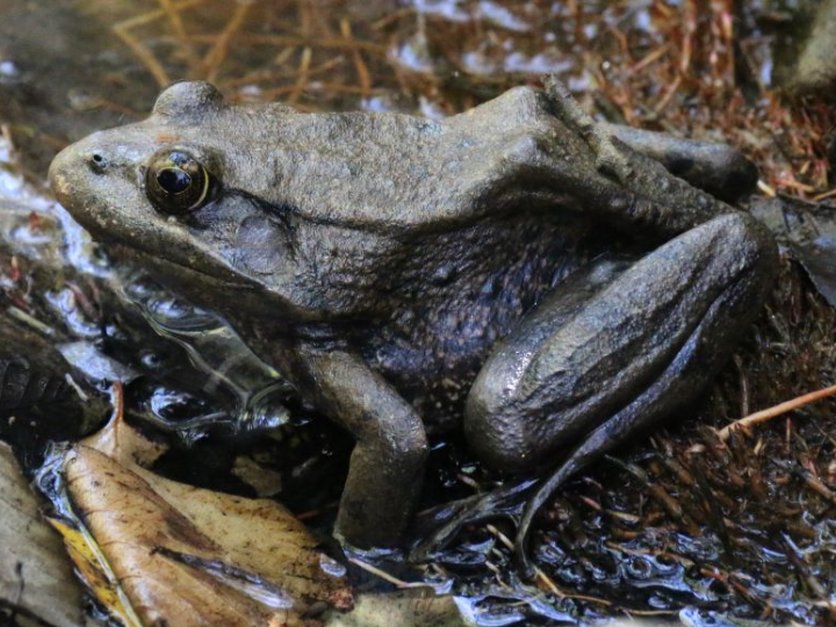
- The ruling aims to protect endangered species such as monarch butterflies and California red-legged frogs from harmful pesticide effects.
Judge Orders Action on Pesticide Evaluation
A U.S. District Judge has ordered the Fish and Wildlife Service (FWS) to conduct formal evaluations concerning the effects of five pesticides on endangered species. This comes as a result of a lawsuit from the Center for Biological Diversity, which highlights the urgent need for regulatory action under the Endangered Species Act (ESA).
Under the court ruling, the FWS is required to complete biological evaluations by March 31, 2026, for atrazine and simazine. For chlorpyrifos and diazinon, the deadlines extend to September 30, 2028. The FWS also committed to finalizing their evaluation of carbaryl by the end of this month.
Jonathan Evans, the environmental health legal director at the Center for Biological Diversity, expressed optimism about the ruling, stating it “will force the Trump Fish and Wildlife Service to take action to stop these dangerous pesticides from driving imperiled species like monarch butterflies and California red-legged frogs closer to extinction.”
As mandated by the ESA, the Environmental Protection Agency (EPA) and federal wildlife agencies must engage in interagency consultation to evaluate how pesticides affect federally protected species. Judge John C. Hinderaker criticized the long gaps in the consultation process, emphasizing that it is imperative to address the potential impacts on the vast majority of protected species and habitats without unnecessary delays.
Judge Hinderaker commented that he was not imposing new priorities on the FWS but was ensuring that the agency adheres to its own proposed timelines for completing these critical biological opinions. He pointed out that the EPA initiated formal consultations on these pesticides between three and eight years ago. Notably, methomyl was involved in the lawsuit, but FWS completed the necessary consultation for it on December 31 of the previous year.
The urgency of the evaluations is underscored by the EPA’s findings, which reveal alarming levels of harm to protected species from these pesticides. For instance, chlorpyrifos has been found to negatively impact 97% of monitored species, while carbaryl affects 91%, and diazinon impacts 78%. The figures for atrazine and simazine are also concerning, at 56% and 55%, respectively.
This ruling signals a shift towards greater accountability in evaluating the environmental impact of pesticides and highlights the importance of proactive measures to safeguard endangered species. The coming evaluations will be closely monitored, as they hold significant implications for conservation efforts and pesticide regulation in the United States.
The content above is a summary. For more details, see the source article.