

Key Takeaways
- Pila Energy launched an affordable home battery designed for easy setup and aesthetic integration into home spaces.
- The battery can store up to 3.2kWh, supports multiple units for expanded capacity, and charges with solar energy.
- Smart features include energy optimization and connectivity with home systems like Alexa and Google Home.
Pila Energy Launches Innovative Home Battery
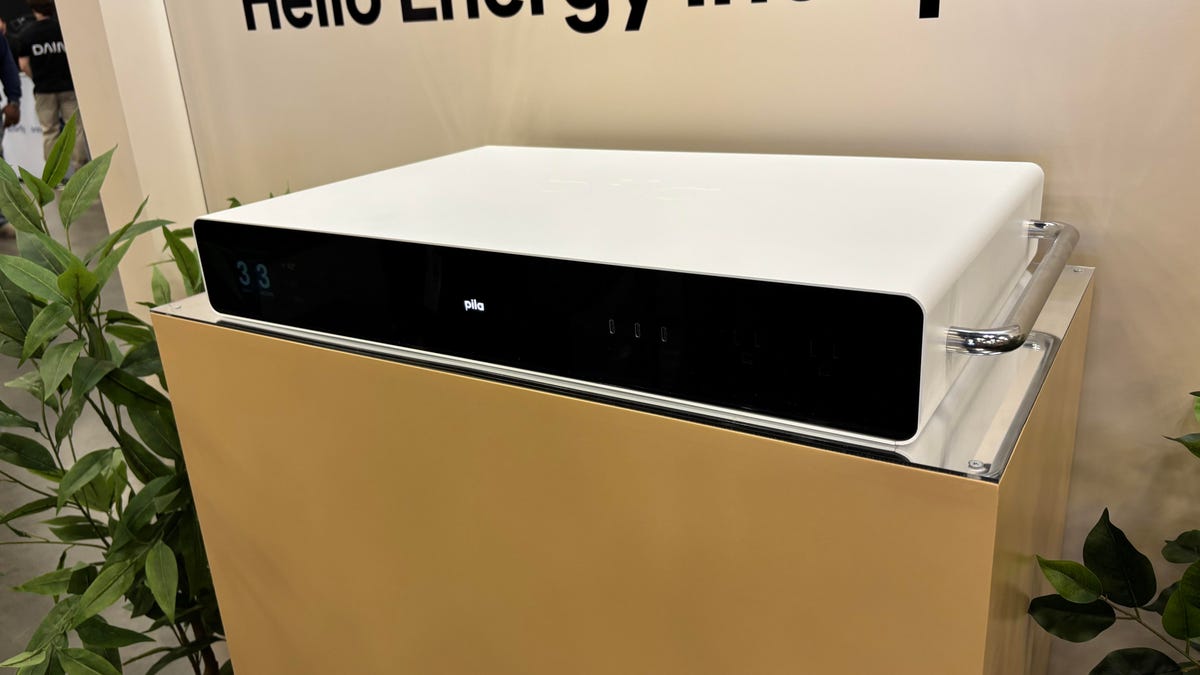
Pila Energy, founded by former Tesla engineers, has introduced the Pila Mesh Home Battery at SXSW 2025, aiming to provide a cost-effective and aesthetically pleasing backup power solution for homes. Priced starting at $999, the battery can be installed near key appliances like refrigerators and TVs without complex electrical work, making it a plug-and-play option. Each unit stores 1.6kWh of electricity, which can be expanded to 3.2kWh with an additional unit.
Designed to appeal to a broad audience, including apartment dwellers and those on various income levels, the Pila battery offers an alternative to traditional home battery systems that can cost upwards of $30,000. The device is not hardwired into the home’s electrical system, allowing users to back up essential appliances without incurring heavy installation expenses.
Additionally, the Pila battery can be charged using a 100-watt portable solar panel, allowing for sustainable energy usage even during power outages. The batteries function similarly to portable power stations and include multiple AC and USB-C outlets for diverse needs.
Pila Energy’s software enables users to connect multiple batteries in a mesh network, enhancing energy management by adjusting to varying electricity costs throughout the day. The batteries also come with smart capabilities, including temperature monitoring for refrigerators to signal potential maintenance issues. Designed for compatibility with major smart home ecosystems, users can interact with the system through a dedicated app or existing platforms like Amazon Alexa and Google Home. Each battery includes a five-year warranty and has a projected lifespan of ten years.
The content above is a summary. For more details, see the source article.