


Key Takeaways
- GPS jamming has severely impacted the effectiveness of artillery systems like the HIMARS in Ukraine.
- The U.S. Army is investing in anti-jamming technology, including the Digital GPS Anti-Jam Receiver (DIGAR), for mobile missile launchers.
- Other countries are also enhancing their artillery systems to counter GPS interference, signaling a global focus on electronic warfare defense.
The ongoing war in Ukraine has spurred a significant effort to enhance artillery systems against GPS jamming and spoofing, which are essential in modern warfare. This push reflects a broader contest within the electromagnetic spectrum and aims to secure the operational effectiveness of these systems.
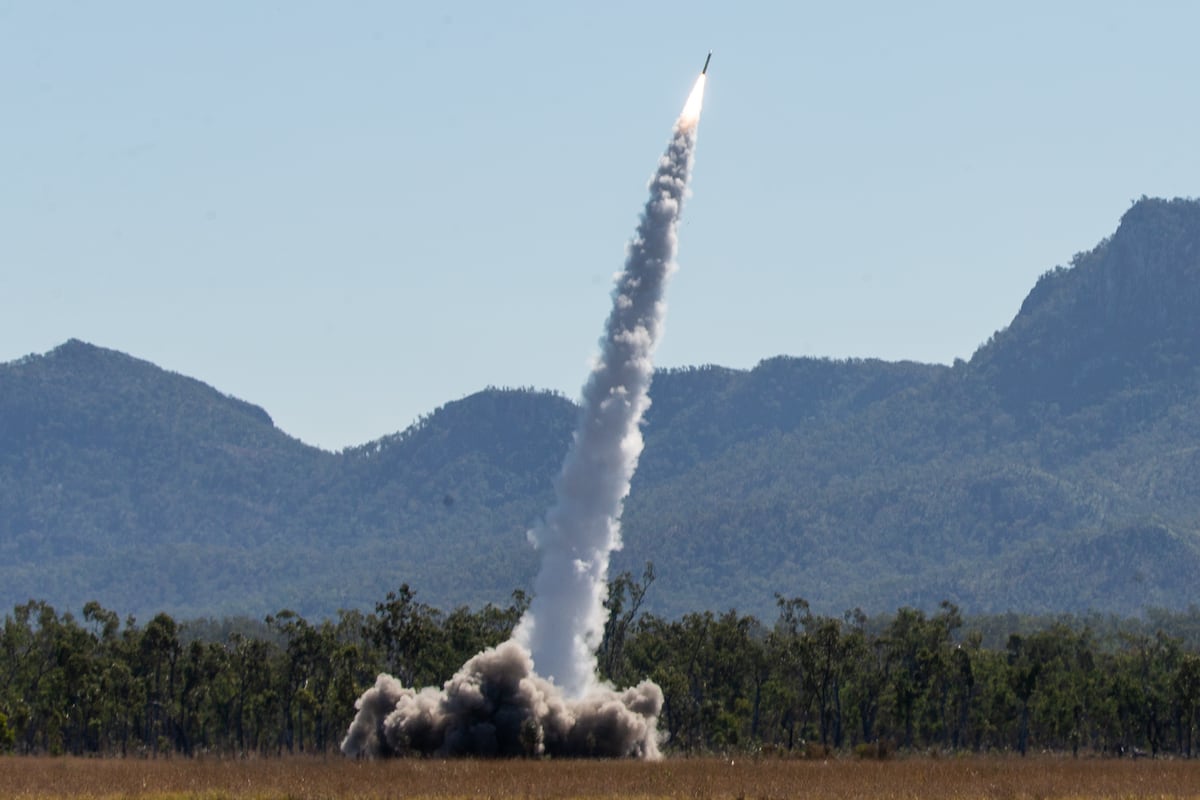
The American-made HIMARS rocket launchers gained considerable attention for their transformative impact on the battlefield when introduced to Ukraine. However, they have faced critical challenges due to Russian jamming capabilities. Reports indicate that after initial successes, their performance has plummeted to the extent that they were labeled “completely ineffective” due to interference, undermining their strategic advantages.
Reliable GPS data is vital for multiple rocket launcher systems such as HIMARS. These systems rely on precise location data to accurately target and launch missiles. The process involves determining the launch vehicle’s position and the location of GPS satellites—information essential for missile guidance. Unfortunately, once fired, the missile operates autonomously, making it highly susceptible to jamming.
In response to these vulnerabilities, the U.S. Army is set to invest $75 million in GPS system upgrades for its mobile missile launchers through the 2025 budget. They have acquired 376 anti-jamming kits for HIMARS over the last two years, with plans for an additional 284 units for HIMARS and M270A1 systems between 2025 and 2029. The Digital GPS Anti-Jam Receiver (DIGAR) from BAE Systems—initially intended for air combat—will now be adapted for land applications, thanks to its proven effectiveness in counteracting electronic warfare targeting GPS signals.
According to industry insights, DIGAR installation on land vehicles is straightforward, and its functionality does not significantly differ from its application on aircraft. Despite some challenges posed by terrestrial conditions, such as dust and debris, the system’s performance in countering jamming remains critical. Reports from the U.S. Air Force suggest that if GUIDE technology remains ineffective under jamming conditions, it indicates the enemy signal is dangerously close to the user.
Internationally, countries are also recognizing and addressing the risks posed by GPS jamming. In Denmark, a controversial procurement situation emerged over new Israeli-made MLRS systems intended to replace those sent to Ukraine, following allegations of their vulnerability to GPS attacks, which the manufacturer denied. Meanwhile, the U.K. has acquired over 1,000 anti-jamming systems from Raytheon, indicating a proactive stance against electronic warfare threats.
Furthermore, Israel is actively developing GPS anti-jamming technologies under the new military M-Code GPS standard, designed to enhance resilience against interference. These developments highlight a worldwide commitment to improving the resilience of artillery systems against electronic warfare tactics.
With the increasing vulnerability of advanced weapon systems to GPS disruption, the updates and upgrades being implemented, such as DIGAR, will become essential for maintaining battlefield effectiveness. Reports suggest that foreign users, particularly European nations utilizing HIMARS, are already sending their systems to the U.S. for upgrades, ensuring that all newly manufactured systems will incorporate DIGAR right from the start. This technological evolution represents a critical shift in how modern military operations will adapt to and combat electronic threats.
The content above is a summary. For more details, see the source article.









