

Key Takeaways
- The Royal Wolverhampton NHS Trust is piloting an AI tool named CLEARNotes to improve clinical consultation efficiency.
- The project aims to reduce paperwork by up to 75% and enhance consultant productivity significantly.
- Other NHS trusts, like Great Ormond Street Hospital and Kent Community Health, are also testing AI technologies for medical documentation.
AI Revolutionizing Clinical Consultations
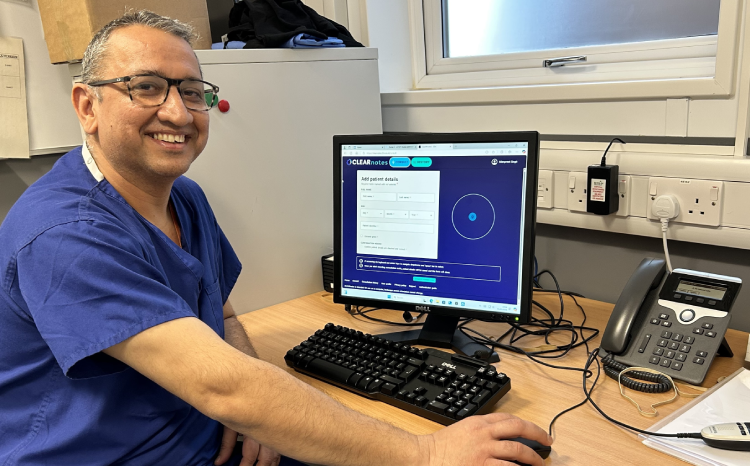
The Royal Wolverhampton NHS Trust (RWT) has launched a pilot program using an AI tool named CLEARNotes to enhance the efficiency of clinical consultations. The pilot began on March 4, 2025, and is scheduled to run for three months with an option for extension if successful. This initiative aims to allow healthcare consultants more time to focus on patient care by significantly reducing their documentation workload.
CLEARNotes is designed to listen to doctor-patient conversations during consultations and automatically generate structured summaries of the discussions. This innovation seeks to cut down on the paperwork burden that often hinders clinicians. Dr. Yat Li, a consultant anaesthetist and the chief clinical information officer at RWT, expressed optimism about the potential of AI technologies like CLEARNotes, stating that they could transform care delivery and reclaim valuable time for clinical staff.
The anticipated benefits of the CLEARNotes pilot are substantial. Initial estimates suggest potential productivity increases of 20% to 80% and a reduction in paperwork by up to 75%. By capturing more detailed information for medical records, the tool could not only improve documentation quality but also enhance job satisfaction among clinicians, helping to alleviate burnout and foster staff retention.
The pilot program is part of a broader initiative funded by NHS England and targets anaesthetic assessments at New Cross Hospital. Dr. John Jeans, a consultant anaesthetist and co-founder of the National CLEAR Programme, emphasized the game-changing aspects of CLEARNotes for the NHS. He noted that healthcare professionals enter the field to care for patients, rather than to manage excessive paperwork. With this AI solution, clinicians are expected to regain valuable time for patient interactions, leading to improved experiences for both staff and patients.
Mandeep Chana, the group manager for anaesthesia, highlighted that CLEARNotes would streamline documentation processes, reducing times necessary for anaesthetic assessments. This improvement is expected to enhance surgical readiness and optimize clinic capacities, allowing healthcare providers to serve more patients.
In addition to the CLEARNotes pilot, other NHS trusts are exploring similar AI-driven solutions. Great Ormond Street Hospital for Children is conducting a pan-London trial of TORTUS, another AI tool funded by NHS frontline digitization. This initiative aims to evaluate the practical application of ambient voice technology across various healthcare settings, including general practice, emergency departments, and mental health services. Similarly, Kent Community Health NHS Foundation Trust announced a TORTUS pilot that utilizes ambient voice technology to assist in drafting clinic notes and summary letters during consultations.
These efforts signify a collective push within the NHS to integrate AI technology into clinical practice to improve efficiency, patient care, and clinician satisfaction. As pilot programs advance, the outcome may set a precedent for broader implementation of AI tools throughout the healthcare system, potentially revolutionizing the way documentation and patient interaction are managed.
The content above is a summary. For more details, see the source article.