


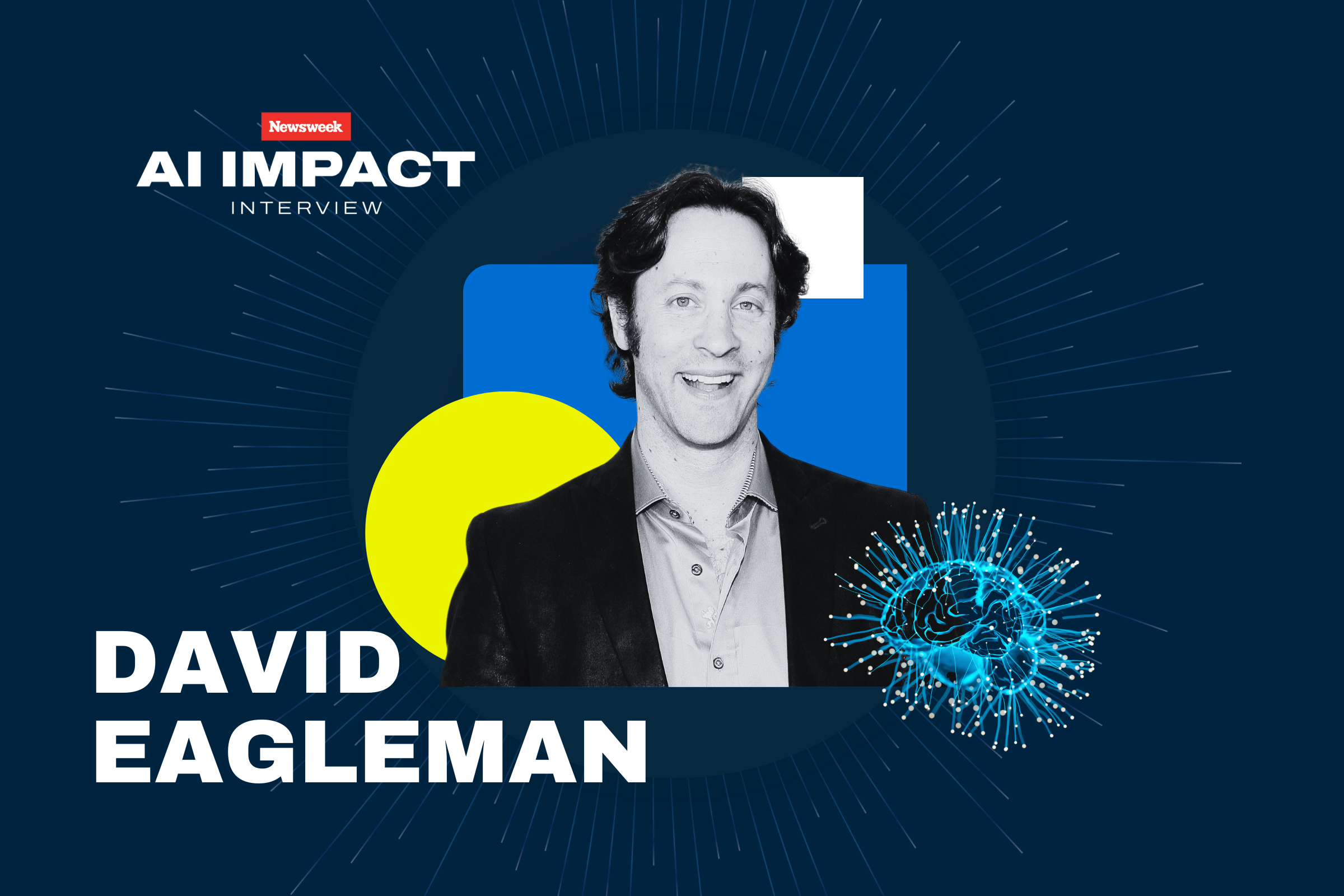
Key Takeaways
- David Eagleman emphasizes the lack of a single definition for human intelligence, complicating the development of AI.
- The relationship between neuroscience and AI is evolving, with each field informing the other and enhancing our understanding of intelligence.
- Eagleman proposes that genuine intelligence may emerge when AI can perform tasks like scientific discovery, which requires constructing new frameworks rather than just remixing existing knowledge.
Understanding Intelligence through AI and Neuroscience
David Eagleman, a Stanford University neuroscience professor, highlights the ambiguity surrounding the definition of human intelligence, which complicates efforts to replicate it in machines. This uncertainty forms the basis of his investigations into artificial intelligence. Throughout his career, he has explored the workings of the human brain via various mediums—books, TV shows, podcasts, and as the founder of neurotechnology firms.
Eagleman describes the field of neuroscience as akin to “fish in water,” struggling to describe an environment it has never left. The advent of AI offers new insights that could reshape our understanding of intelligence. These new systems not only serve as tools but also teach us about our cognitive processes, revealing the limitations of our comprehension of human minds.
The emergence of AI allows neuroscientists to examine fundamental questions about intelligence more deeply. As AI systems like OpenAI’s ChatGPT and Anthropic’s Claude evolve, recognizing their limitations sheds light on our understanding of consciousness and cognition. Eagleman stresses the need for a collaborative approach between neuroscience and artificial intelligence, suggesting that both domains can learn from one another.
Eagleman’s insights on the brain suggest a model of cognition that is dynamic rather than passive. He compares the brain’s functioning to a “Team of Rivals,” where competing neural processes lead to internal dialogue and decision-making. This model can inspire the development of AI systems that integrate multiple perspectives, potentially leading to more advanced forms of artificial intelligence.
He criticizes current AI systems for their lack of deeper cognitive capabilities. While they perform well in pattern recognition and data processing—often mimicking human creativity—they lack true understanding or context. Eagleman proposes the “intelligence echo illusion,” where AI appears intelligent by reflecting prior human thoughts rather than creating novel ideas.
Looking ahead, Eagleman sees potential for AI systems to achieve a level of autonomy in managing complex tasks, similar to how humans rely on the infrastructure around them without understanding every detail. He envisions future AI systems that not only augment human capabilities but also require collaboration to improve outcomes.
Ultimately, Eagleman suggests that as technology advances, understanding both human and artificial intelligence will depend on recognizing their interconnections. By exploring their dynamics, the pursuit of knowledge and intelligence can continue to evolve in harmony, revealing greater insights into both human cognition and the future of AI.
The content above is a summary. For more details, see the source article.









