


Key Takeaways
- The Defense Department will exempt shipyards, depots, and military medical facilities from a hiring freeze due to their importance for military readiness.
- This decision follows bipartisan concerns about workforce reforms adversely affecting shipbuilding jobs.
- Despite these exemptions, the Pentagon plans to reduce the civilian defense workforce by up to 8%, or 60,000 positions.
Exemptions Announced for Critical Facilities
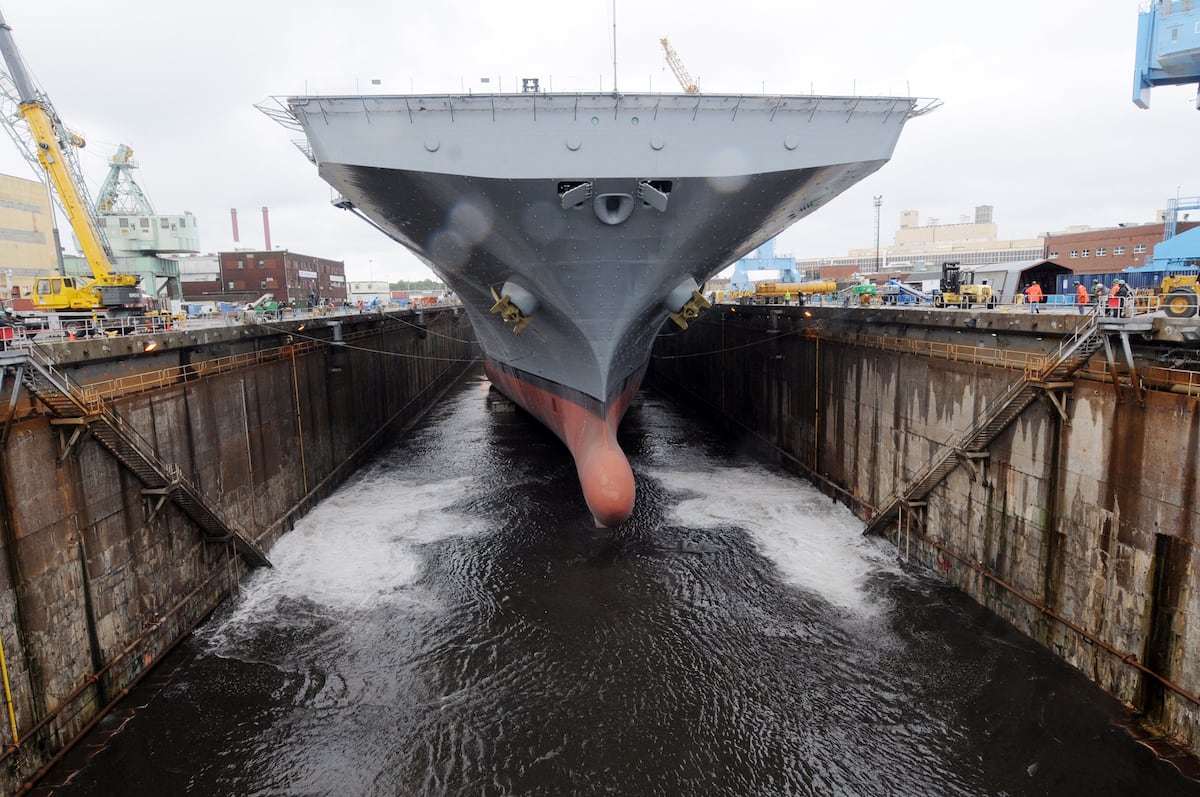
Defense Department leaders have announced that shipyards, depots, and medical treatment facilities will be exempt from a department-wide hiring freeze. This decision comes in response to increasing criticism regarding proposed workforce reforms, recognized for their critical role in enhancing military readiness.
Recent weeks have seen shipyard workers become a focal point for advocacy among lawmakers, particularly after President Trump’s pledge to establish a White House office dedicated to shipbuilding. Sixteen Democratic lawmakers with connections to shipbuilding sectors submitted a letter to the White House and Defense Secretary Pete Hegseth, criticizing the civilian defense employee hiring freeze for fostering “chaos and uncertainty” that undermines essential growth in shipyards.
In a memo released over the weekend, Secretary Hegseth clarified that shipyard workers would be exempted from the hiring freeze, even as potential job cuts are planned in other non-essential areas. The intention behind these cuts is to “optimize our federal workforce, reduce inefficiencies, and align our resources with the president’s top national security priorities.” This specificity now includes shipyards, depots, and military medical facilities among sectors allowed to hire essential personnel.
The announcement has been met with approval from both sides of the political aisle. Senator Jeanne Shaheen (D-N.H.), who serves as the second-ranking Democrat on the Senate Armed Services Committee, expressed relief that the administration acknowledged the importance of jobs at shipyards for national security. She emphasized that such protections should have been enacted sooner and criticized the uncertainty that the hiring freeze has created over the previous two months, which has already caused significant harm.
While no details have been provided regarding the new office overseeing the shipbuilding industry, several lawmakers are working on legislation to formalize such oversight. However, alignment with Trump’s vision for the office remains uncertain.
Earlier this year, the Congressional Budget Office estimated that the Navy must invest over $40 billion annually for 30 years to meet its goals for expanding its battle force fleet. Currently, the fleet consists of 295 battle force ships, which is projected to decline to 283 ships by 2027 due to planned retirements. The Navy aims to increase its fleet to 381 ships by 2054.
Despite the new exemptions, Defense Department officials have stated that the overall civilian workforce within the department will still face cuts of up to 8%, translating to approximately 60,000 jobs. This measure aligns with broader efforts by the administration to reduce the size of the federal bureaucracy.
Leo has been covering Congress, Veterans Affairs, and the White House for Military Times since 2004. His work focuses on military personnel and veterans policies and has been recognized with various awards, including the Polk Award and the VFW News Media award.
The content above is a summary. For more details, see the source article.









