


Key Takeaways
- Congressional Republicans are considering using the budget reconciliation process to pass parts of a new farm bill, potentially including increased reference prices.
- The reconciliation bill would allow GOP leaders to bypass the usual 60-vote requirement in the Senate, making it easier to move legislation forward despite division.
- While some support the idea, concerns arise about potential backlash from Democrats, particularly regarding nutrition assistance funding linked to commodity programs.
The proposed budget reconciliation bill by congressional Republicans may serve as a vehicle for advancing significant elements of a new farm bill, which includes provisions like increased reference prices for agricultural commodities. This approach offers a strategic advantage since reconciliation allows legislation to pass in the Senate without requiring the 60 votes typically necessary for most bills. However, any provisions included must comply with congressional rules that govern spending and revenue changes.
Experts suggest that an increase in Price Loss Coverage reference prices is feasible under a reconciliation measure, along with adjustments to nutrition assistance programs. Notably, this approach could address ongoing challenges within the agriculture committees, chiefly the absence of funding for a standalone farm bill and the complications of achieving bipartisan support in the closely divided House.
Last year, a bill approved by the House Ag Committee faltered on the floor, largely due to proposed cuts to Supplemental Nutrition Assistance Program (SNAP) spending, a move that faced strong Democratic opposition. For Republicans, the reconciliation route presents a unique opportunity, as it would allow for greater flexibility in funding allocations without necessitating Democratic votes, provided consensus can be reached among GOP leadership.
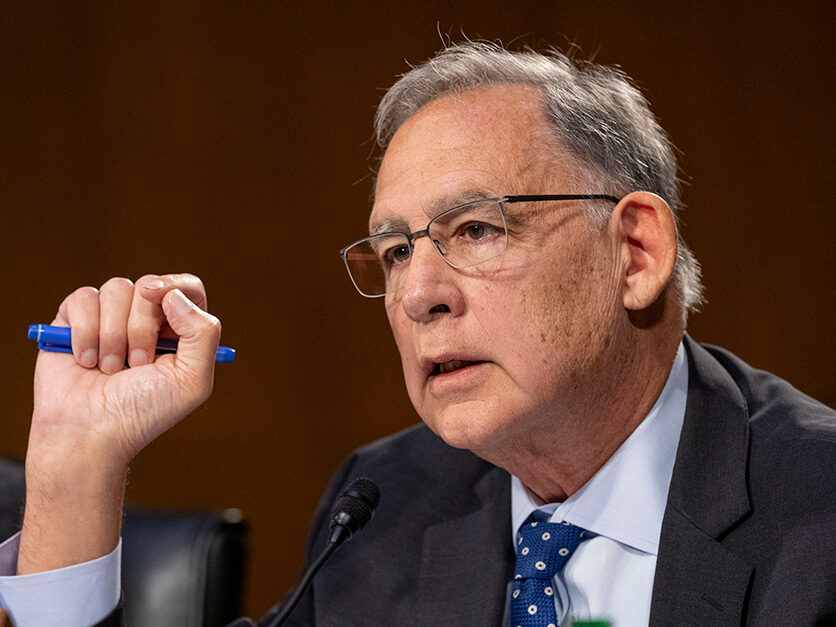
Senate Agriculture Committee Chair John Boozman, R-Ark., indicated that discussions are underway with House counterparts to align priorities in the reconciliation process, emphasizing the necessity of providing farmers with essential risk management tools. A statement from House Ag Committee Republicans underscored their commitment to improving safety nets for farmers.
Former President Donald Trump has expressed a preference for a comprehensive reconciliation bill that combines various priorities, including tax cuts and potentially farm programs. While there is optimism around the reconciliation route, stakeholders caution that using this method might leave out key components of the farm bill due to Senate parliamentarian restrictions. Additionally, aligning food assistance program funding with agricultural funding could create future legislative hurdles, particularly from Democrats and advocates for nutrition programs.
Senator Raphael Warnock, D-Ga., a proponent of enhancing reference prices, advocates for a balanced approach that does not sacrifice nutrition assistance for agricultural funding. He stresses the need for bipartisan cooperation, echoing sentiments from the American Farm Bureau Federation’s Joby Young, who believes that collaborative solutions yield better long-term results for agricultural policy.
Ultimately, while the reconciliation process presents a viable path for legislative progress, significant political challenges remain. Stakeholders are weighing the possible implications, with some experts believing that the political landscape regarding the farm bill’s passage is less contentious than in previous years. Nevertheless, the necessity for a unified effort, whether through reconciliation or standard legislative procedures, is more crucial than ever as Congress navigates a complex political climate.
The content above is a summary. For more details, see the source article.









