

Key Takeaways
- The U.S. Army will not conduct live-fire exercises with the Typhon missile system in the Philippines this spring.
- The Typhon system, which arrived in the Philippines last year, has raised concerns in China but remains in the region.
- The U.S. Army plans to utilize the Typhon in upcoming military drills but faces logistical challenges in its deployment across the Pacific.
U.S. Army’s Typhon Missile System Update
The U.S. Army has confirmed that it will not perform live-fire operations with the Mid-Range Capability missile system, known as Typhon, during military exercises in the Philippines this spring. Major General Jeffrey VanAntwerp, the deputy chief of staff for operations at U.S. Army Pacific, made this announcement during a media briefing.
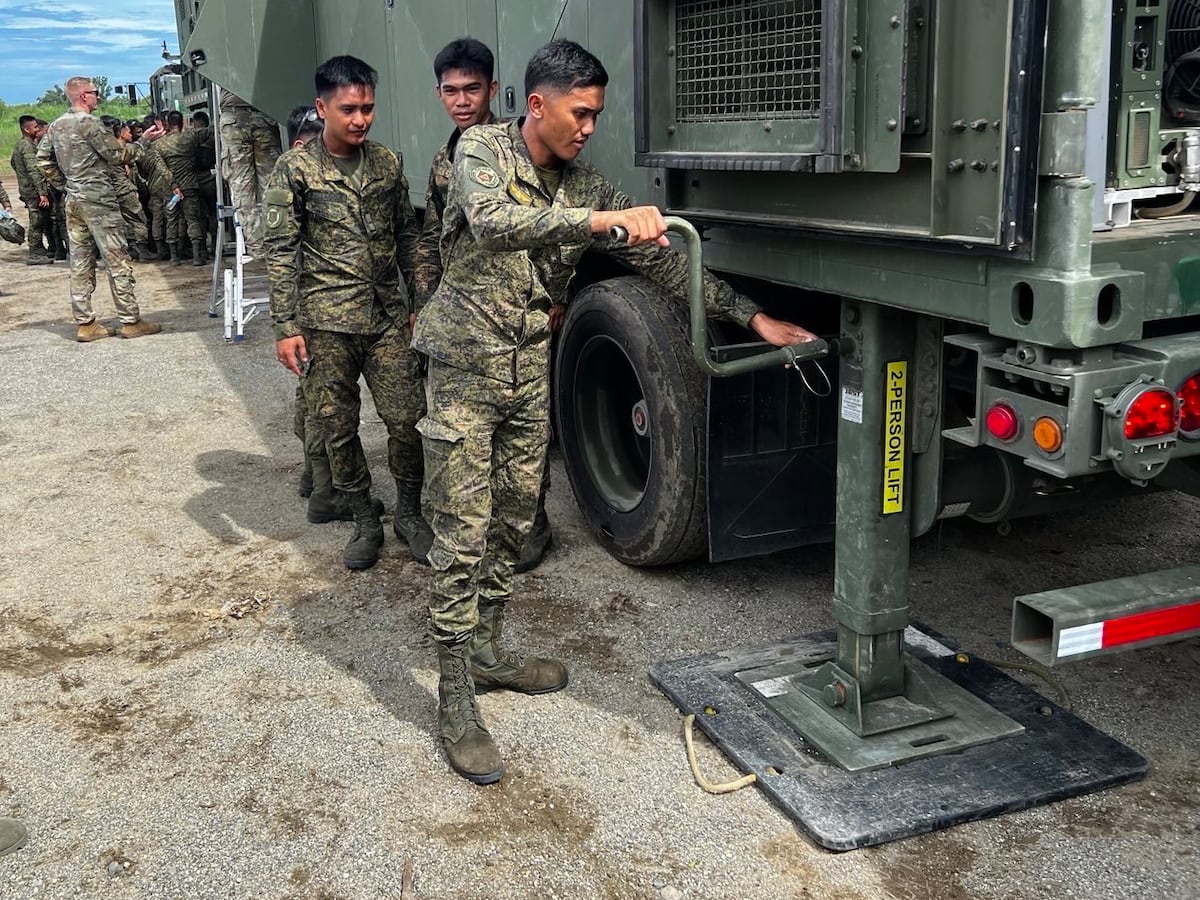
This decision comes a year after the Army’s 1st Multi-Domain Task Force transported a Typhon launcher to Luzon, Philippines, during the previous year’s Salaknib exercise, marking the system’s first deployment. The missile system, built by Lockheed Martin, traveled over 8,000 miles from Joint Base Lewis-McChord, Washington, in a C-17 Globemaster cargo aircraft.
Despite its presence in the region, the system has not yet been tested in the Philippines. The deployment has sparked criticism from China, with officials expressing concerns that the missile system could destabilize the area. The timeline for Typhon’s deployment in the Philippines or any future locations in the Pacific is uncertain. When questioned about its possible relocation, VanAntwerp deferred to the Office of the Secretary of Defense for further details.
The Typhon system consists of a versatile vertical launch system and utilizes the Navy’s Raytheon-built Standard Missile-6 and Tomahawk missiles, allowing it to engage targets within a range of 500 to 2,000 kilometers. It is designed for both land targets and naval engagements, providing a mobile and survivable option for long-range strikes.
During the upcoming Salaknib and Balikatan military drills with the Philippines, the Philippine Navy is set to fire various missile systems, but it will not use its BrahMos medium-range missile due to its higher cost. The presence of Typhon has prompted interest from other Pacific nations regarding the potential hosting of the system, indicating its significant deterrent capability, which has surpassed initial expectations, especially concerning its impact on China’s regional stance.
Logistical challenges remain a key consideration for the Army, particularly regarding the transport of the Typhon must be factored into future plans for rotating the system among various countries in the Pacific region. The 3rd Multi-Domain Task Force, based in Hawaii, will soon receive its own Typhon battery, which has been certified at Joint Base Lewis-McChord.
The Army continues to explore opportunities to deploy such capabilities in theater, with Col. Michael Rose, commander of the 3rd MDTF, indicating the organization’s commitment to learning from real-world exercises. Typhon is expected to play a role in Operation Pathways, a series of ongoing military exercises intended to strengthen collaborations with regional allies and deter China’s influence in the Pacific.
The content above is a summary. For more details, see the source article.