


Key Takeaways
- Norwegian Coastal Rangers, a marine commando unit, enhance capabilities amid rising sabotage concerns from Russia.
- New unmanned aerial technologies, including long-range drones, are being integrated into Norway’s defense strategy.
- NATO conducts exercises to prepare for potential threats to undersea cables and maritime infrastructure.
NATO Exercises and Coastal Rangers’ Role
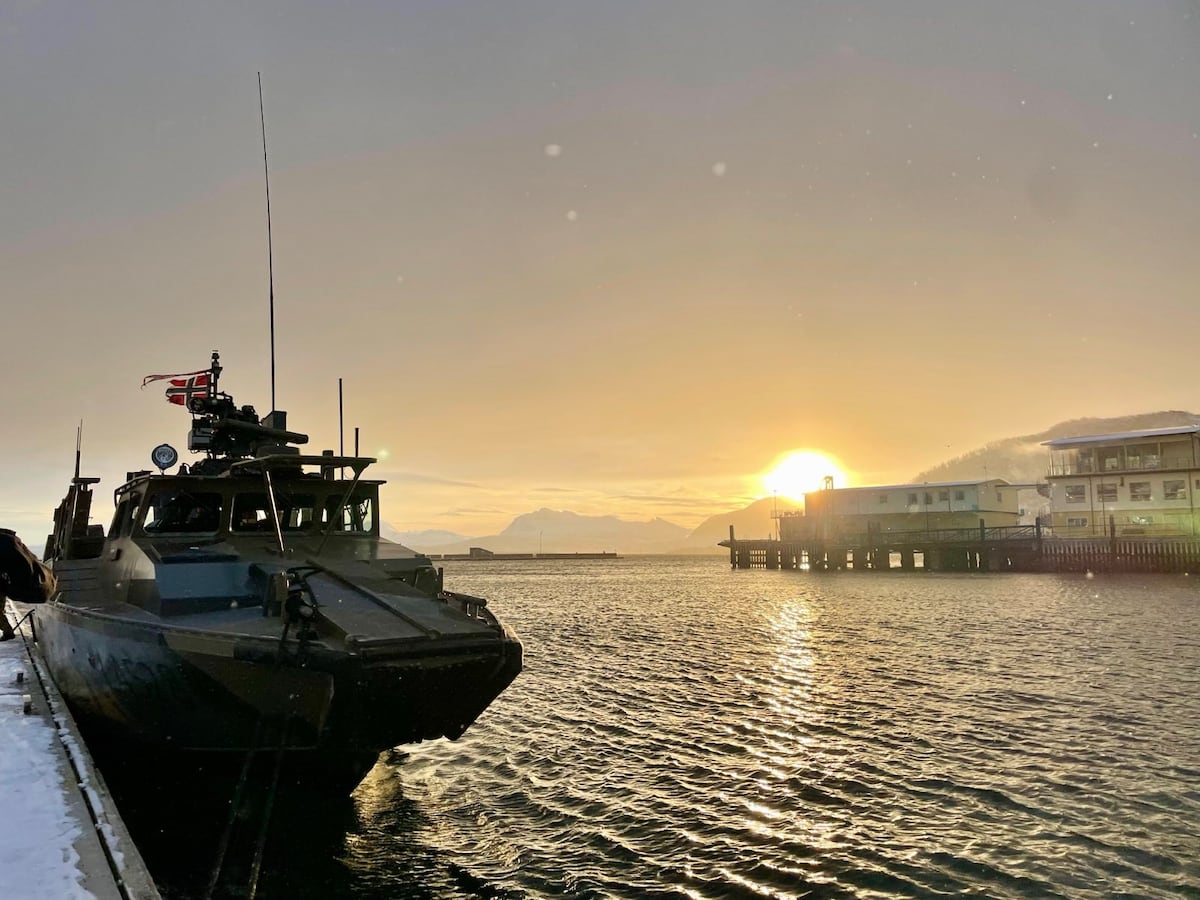
In Harstad, Norway, a team from the Norwegian Coastal Rangers executes a boarding exercise during NATO’s Joint Viking 2025. This elite marine commando unit is composed of about 150 personnel trained for various maritime operations, including coastal raids, patrols, and intelligence gathering. The exercise’s focus reflects growing concerns within NATO regarding adversaries potentially using civilian vessels as cover for sabotage missions, particularly targeting undersea cables and critical energy infrastructure in European waters.
The Norwegian Police Security Services, in their recent threat assessment, noted that Russia has demonstrated a willingness to conduct sabotage operations across Europe, which could impact Norway significantly by 2025. This shared Arctic border of 198 kilometers and maritime boundary in the Barents Sea heightens Norway’s vulnerability to such threats.
While the Coastal Rangers haven’t observed an increased number of illicit vessels near Norwegian shores, there has been a noted rise in electromagnetic jamming activities, which may pose a challenge to both surveillance and operational effectiveness. Consequently, Norwegian defense authorities have approved upgrades to the Coastal Rangers’ capabilities, with a strong emphasis on incorporating unmanned technologies.
Advancements in Unmanned Aerial Systems
Following the Arctic operational challenges faced by existing drone models, enhancements are underway to improve performance in harsh winter conditions. The plans include acquiring newer, longer-range surveillance drones. As per Frode Nakken, the commanding officer of the Coastal Rangers, these upgraded aerial systems will feature greater endurance and resilience against the severe weather typical of Northern Norway, where temperatures can plunge to -10 degrees Celsius.
The 2025-2036 Norwegian Defense Pledge outlines strategic intentions to station these enhanced unmanned systems at Andøya Air Station, situated 300 kilometers north of the Arctic Circle. The Ministry of Defense is actively seeking information from U.S. manufacturers, such as Northrop Grumman and General Atomics, regarding their unmanned capabilities.
General Atomics has expressed interest, proposing the MQ-9B SeaGuardian drone. This advanced UAV offers comprehensive maritime radar coverage and signals intelligence capabilities, marking it as a unique asset for anti-submarine warfare. These improvements are seen as vital steps toward bolstering Norway’s existing significant maritime patrol fleet, especially when integrated with the existing P-8 aircraft.
As NATO continues to prepare for evolving threats and enhance collaboration among member nations, Norway’s proactive strategy and investment in modern military capabilities are pivotal to ensuring national security and maritime safety in the Arctic region.
The content above is a summary. For more details, see the source article.









