


Key Takeaways
- Chinese researchers have developed a method to extract 99.99% of lithium and high percentages of nickel, cobalt, and manganese from used batteries.
- The new extraction process, using a neutral leaching technique, minimizes environmental harm and reduces recycling costs.
- The U.S. battery recycling industry is rapidly expanding, supported by significant government funding despite uncertainty about future administrative support.
Innovative Battery Recycling Technique
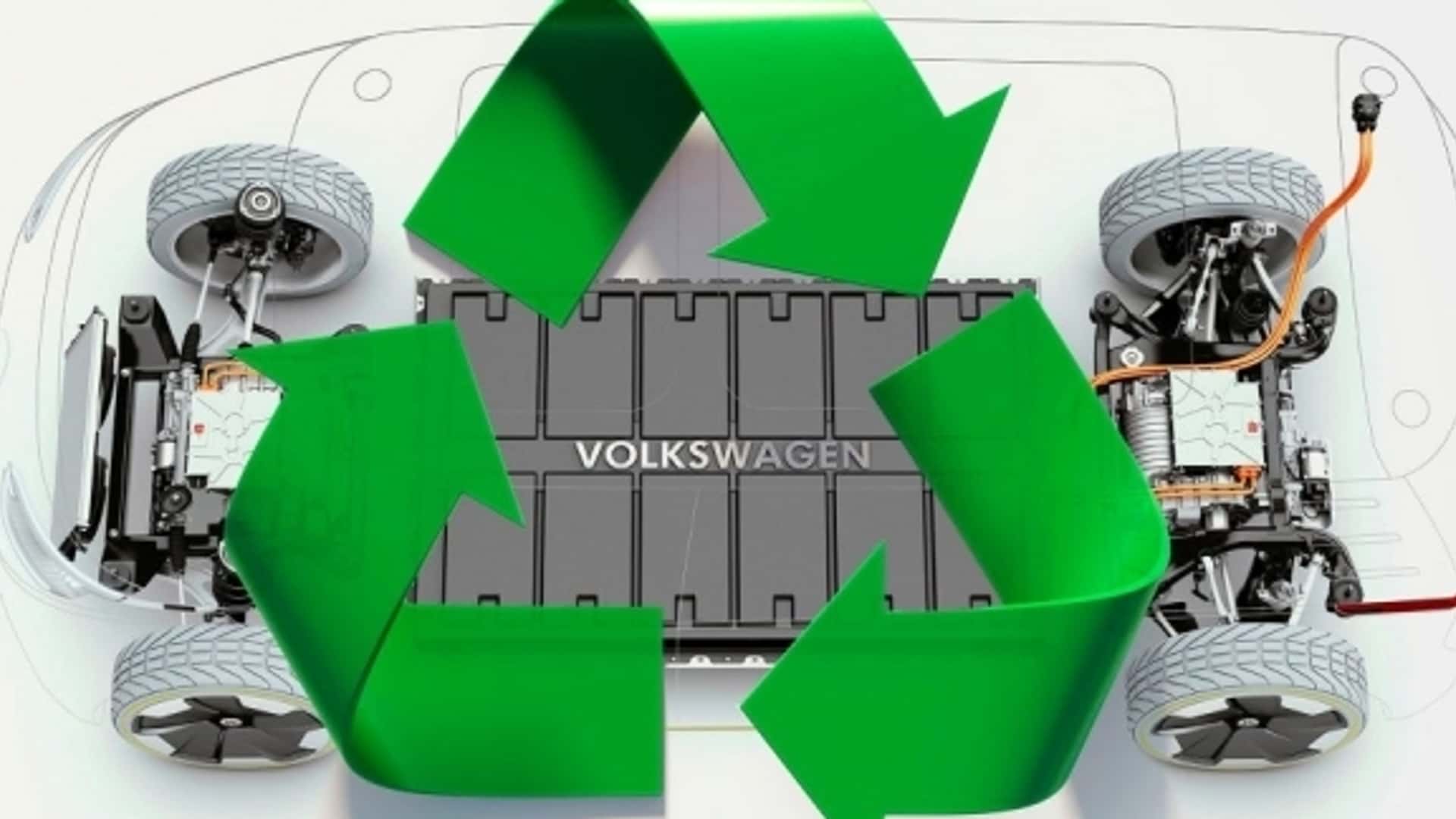
As electric vehicle (EV) adoption surges, millions of spent batteries will require recycling in the coming years. The improper disposal of these batteries poses significant environmental risks due to the release of harmful chemicals. To address these concerns, researchers in China have unveiled a promising recycling technique that almost completely recovers lithium and other valuable metals from dead batteries.
According to a study published in the German academic journal Angewandte Chemie, Chinese researchers successfully extracted 99.99% of lithium, 97% of nickel, 92% of cobalt, and 91% of manganese from used batteries. The innovative process utilizes “neutral leaching,” which replaces toxic chemicals traditionally involved in battery recycling with a neutral solution. This shift not only enhances the efficiency of extraction but also mitigates safety hazards and potential environmental damage associated with conventional methods.
The researchers conducted their study through collaboration among several universities, including Central South University and Guizhou Normal University. The extraction process has proven remarkably rapid, completing the recovery of key metals—lithium, nickel, cobalt, and manganese—in just 15 minutes. The researchers also integrated a simpler amino acid named glycine into the process, enabling more effective lithium extraction while minimizing harmful chemical reactions and byproducts.
While this method is currently confined to laboratory settings, it highlights the enormous potential of battery recycling. With the EV market projected to expand significantly, the recycling sector could evolve into a multi-billion-dollar industry. One of the advantages of this growth is the ability to use recycled materials in the manufacturing of new batteries, a process that can significantly reduce costs. As indicated by provisions in the Inflation Reduction Act, batteries produced from recycled materials in the U.S. qualify as American-made products and are eligible for certain subsidies, further propelling the industry’s growth.
Recent actions by the U.S. government emphasize this momentum. In August, the Department of Energy announced a $475 million loan to Li-Cycle for a recycling facility in New York and awarded a conditional loan of $2 billion to Redwood Materials for a plant in Nevada, among other investments. Numerous recycling plants are in development, reflecting a broader trend of increased focus on sustainable battery management.
Even if reductions in EV funding or tariffs on imports occur, experts anticipate that the battery recycling sector will continue to thrive. Batteries remain critical for not only electric vehicles but also hybrid cars, energy storage systems, and technology applications like robotics and drones. As the demand for batteries grows, the positive market dynamics are expected to benefit the EV industry, reinforcing the importance of sustainable recycling practices.
In summary, the innovative approach to lithium extraction in China, combined with the expanding U.S. recycling landscape, suggests a robust future for battery recycling, aligning with global sustainability goals and economic incentives.
The content above is a summary. For more details, see the source article.









