

Key Takeaways
- Ford has filed a patent for an electric vehicle (EV) stick shift that simulates traditional manual transmission feedback.
- The design features force feedback and haptic sensations to enhance driver engagement in EVs.
- Similar innovations are being explored by other manufacturers, including Hyundai and Toyota.
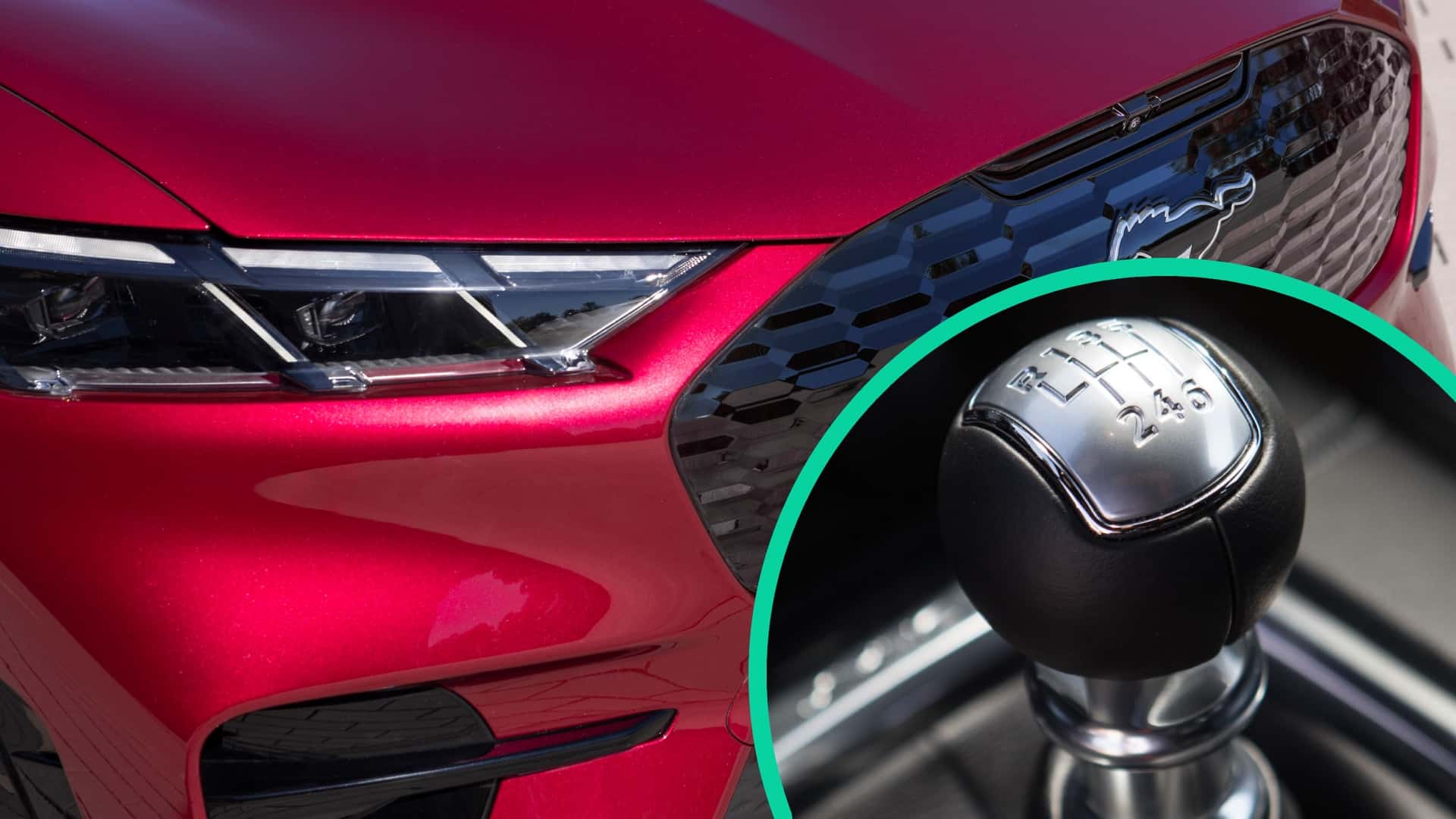
Ford is exploring ways to enhance the driving experience of electric vehicles (EVs) by mimicking the feel of traditional combustion-powered cars. A newly published patent application, titled “Shifter Assembly For Electric Vehicle,” describes a shift lever designed to replicate the sensation of manual transmissions, even though actual gear changes do not occur. Instead of connecting to a gearbox, the shifter interfaces with electronic actuators managed by an electronic power controller, which adjusts the output from the vehicle’s motor.
This approach allows drivers to simulate the experience of shifting gears, thus providing a more engaging driving experience. While manipulating the shifter may actually slow down the vehicle by interrupting power delivery, enhancing driver engagement is the primary goal. Ford’s design showcases a shift lever mounted on the floor, allowing users to shift fore and aft to modulate power from the battery to the motors.
Ford is not alone in this venture; other automakers are also diving into similar territory. Hyundai debuted simulated paddle shifters with the Ioniq 5 N, aimed at delivering the thrill typical of gas-powered sports cars. Toyota is integrating similar technology into its Lexus RZ, focusing on creating a more dynamic driving experience. Prototypes with simulated stick shifters, including aspects like a functioning clutch, have even been tested in Japan, though it remains uncertain if such designs will reach production models. Paddles seem to be the more likely option for standard model deployments.
Instant torque delivery without the limitation of gears has already made EVs some of the fastest production cars globally. However, many still lack the tactile engagement found in traditional manual vehicles. Ford’s patented shifter aims to bridge that gap. Configured for either sequential use or a six-speed pattern, the shifter also includes small motors that create force feedback, making the experience more immersive. The lever can vibrate to simulate the feel of a performance engine, providing notchy resistance when shifting between positions, thus appealing to driving enthusiasts.
Flexibility is another key feature of Ford’s design: the shifter assembly can retract, allowing for unobstructed driving when not in use, which will be appreciated by those who find traditional gear levers cumbersome.
As of now, Ford’s innovative shifter remains a patent application, initially filed in 2023, and its implementation in upcoming vehicles is still uncertain. However, this concept could serve as a bridge for traditional car enthusiasts to transition into the electric vehicle realm, potentially making EVs more appealing to a wider audience.
The content above is a summary. For more details, see the source article.