

Key Takeaways
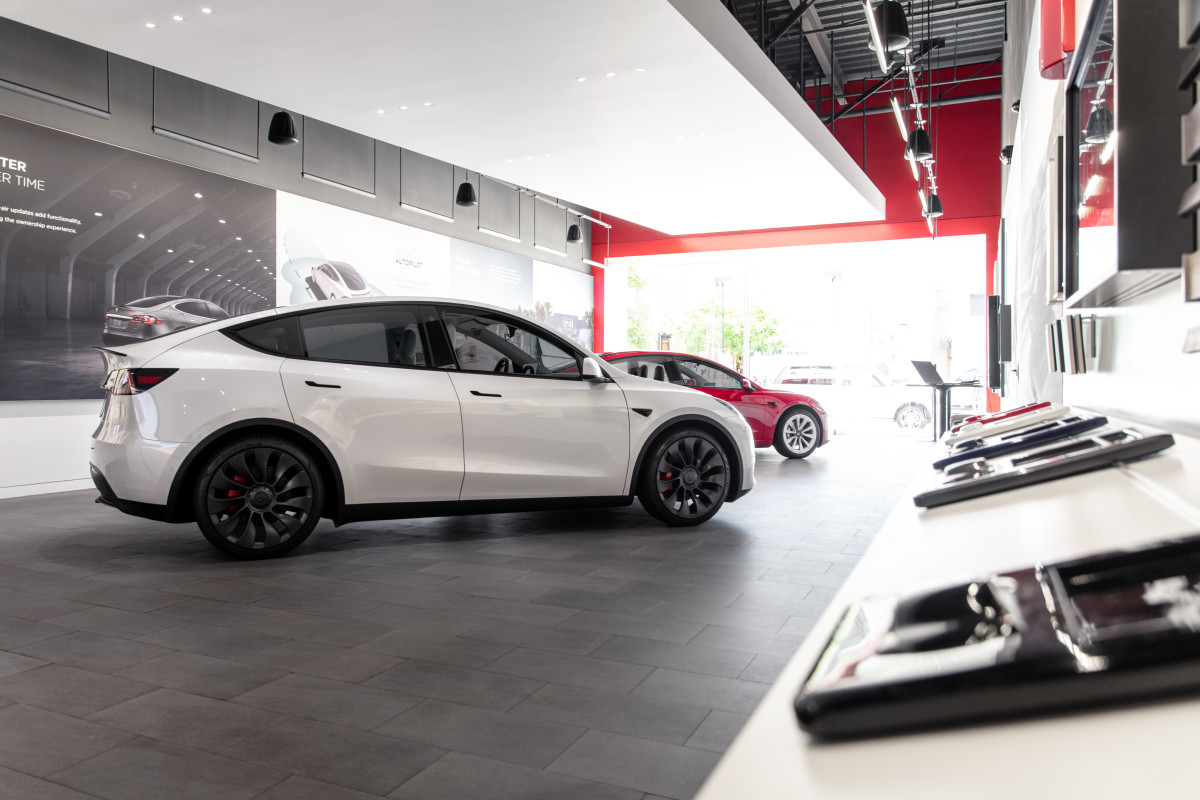
- Tesla has activated Sentry Mode on showroom vehicles to combat recent vandalism targeting its cars.
- The company is enhancing security measures due to reports of vandalism both in the U.S. and internationally.
- Challenges remain, such as battery usage of Sentry Mode and Tesla’s declining stock value and consumer interest.
Tesla Activates Sentry Mode Amid Vandalism Concerns
Tesla is responding to a concerning increase in vandalism directed at its showroom and customer vehicles by activating Sentry Mode across its inventory. This high-tech feature relies on a vehicle’s sensors and cameras to monitor the surroundings and alert owners to potential threats. When triggered, Sentry Mode activates headlights, sets off an alarm, displays a message on the vehicle’s interior screen about recording activity, saves footage to a USB drive, and sends alerts via the mobile app.
Recent vandalism instances have been linked to public protests regarding Elon Musk’s advisory role to former President Trump. In light of these events, Musk has confirmed that Tesla is also bolstering security at its showrooms to protect its vehicles. Notably, reports of vandalism have extended beyond the U.S., with incidents being reported in places like Hamilton, Ontario. Local authorities are actively investigating these incidents, indicating a growing concern over the safety of Tesla vehicles.
While the deployment of Sentry Mode provides a layer of security, there are challenges associated with its use. It consumes a significant amount of battery power, necessitating that the vehicle be charged to at least 20% for the feature to function. Given that vandalism can result in costly damage, Tesla’s decision to enhance security is essential. However, some offenders have succeeded in damaging vehicles even when Sentry Mode is active, as they may not be aware they are being recorded.
In response to an inquiry from a customer on social media, Musk suggested potential improvements for Sentry Mode, including an alarm that could warn potential vandals before they act. Nevertheless, no new updates featuring such improvements have been confirmed.
Tesla’s challenges extend beyond vandalism; the company is facing an unprecedented rate of vehicle trade-ins, marking 1.4% of all vehicles traded in during early March—the highest rate in its history. Additionally, Tesla’s stock has plummeted by over 40% this year, leading to a decrease in consumer interest, with data indicating the lowest engagement with the brand since late 2022.
Despite these difficulties, Tesla has navigated turbulent times in the past, including near-bankruptcy events in 2008 and again during the Model 3 production ramp-up between 2017 and 2019. Musk demonstrated his commitment to the company by spending nights at the factory during these challenges, indicating his relentless dedication to overcoming operational hurdles.
As the situation with vandalism, market performance, and consumer sentiment continues to evolve, it remains to be seen how effective Tesla’s enhanced security measures will be in protecting both its vehicles and its market standing.
The content above is a summary. For more details, see the source article.