


Key Takeaways
- Elon Musk’s proposed $55 billion compensation package exceeds Tesla’s total net income since its inception.
- A Delaware judge annulled the package, citing Musk’s conflict of interest in negotiating terms with himself.
- Tesla’s net income is projected to reach $55 billion by late 2027, following a 50% decline in 2024 earnings.
Musk’s $55 Billion Compensation Under Scrutiny
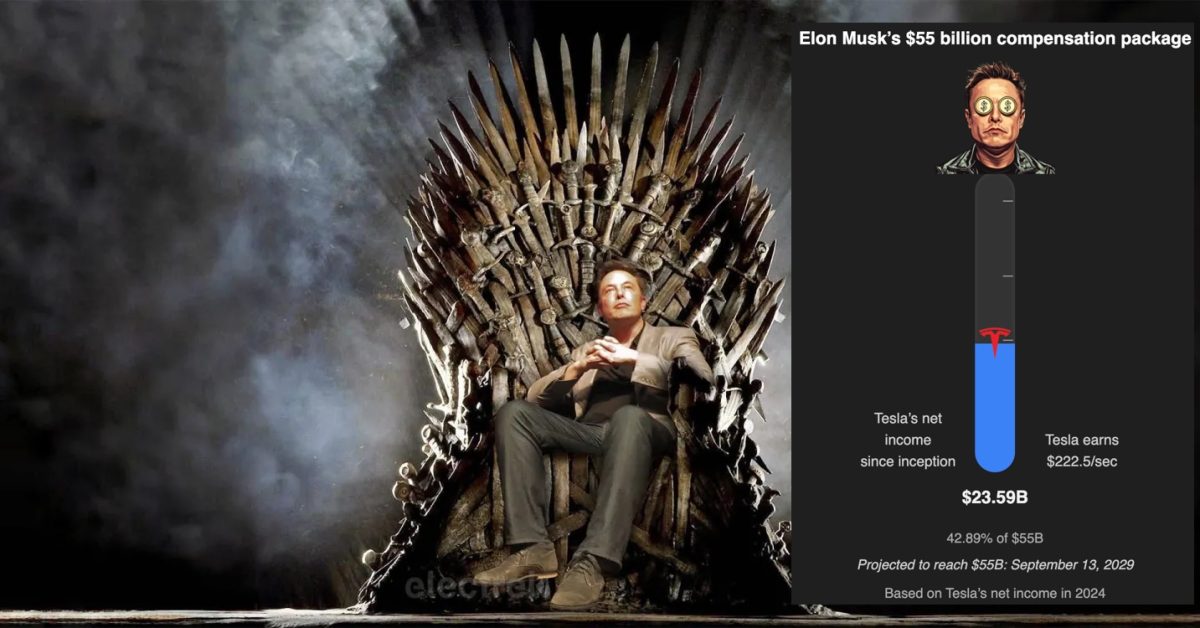
Elon Musk’s effort to secure a $55 billion compensation package based on Tesla stock is under intense scrutiny, particularly given that the company’s accumulated net income totals far below this amount. Musk’s lawyers recently initiated a second appeal to reinstate his 2018 CEO compensation plan, which was previously annulled by a Delaware judge after a lawsuit from Tesla shareholders. The lawsuit contended that Musk, having control of the company’s board, was effectively negotiating with himself, undermining transparency.
Musk has argued that the judge’s ruling was politically influenced but has not addressed any of the governance concerns raised during the proceedings. This compensation package, if reinstated, could result in Musk receiving 1.6 times Tesla’s entire net income since the company was founded.
As of January 1, 2025, Tesla’s net income is projected to reach $55 billion by the end of 2027, taking into account an anticipated 50% reduction in 2024 net income compared to 2023. The controversy surrounding Musk’s compensation continues to raise eyebrows, illustrating a disparity between executive pay and the company’s financial performance.
In response to the growing concerns, a tracker has been developed to monitor Tesla’s earnings against Musk’s compensation plan. Data shows that Tesla currently earns approximately $222.5 per second, but despite this, the total net income is still lagging behind Musk’s staggering proposed pay package.
Critics highlight that Musk’s compensation is often defended by citing the company’s soaring stock prices. However, they argue that the primary metric to assess a company’s financial health should be net income. As such, Tesla’s projected net income trajectory is turning heads, especially as it is still significantly less than what Musk stands to gain as CEO.
Despite these controversies, the quarterly updates will continue to compare Musk’s potential earnings to Tesla’s net income, providing insight into this ongoing financial debate. If the appeal succeeds, it could trigger a compensation scenario that raises questions about the appropriateness of executive pay relative to the company’s financial achievements.
Lauded as a visionary, Musk’s proposals also feed into the narrative of discontent among critics who view Tesla as Musk’s personal asset rather than a company in its own right. As the debate unfolds, the eyes of investors and the public remain focused on Tesla’s financial performance and governance practices.
The content above is a summary. For more details, see the source article.









