

Key Takeaways
- Indonesia faces challenges in greenlighting clean energy projects rather than funding shortages, according to Elrika Hamdi of JETP.
- The U.S. has withdrawn from climate finance commitments, but funding remains stable with Germany’s increased contributions.
- Renewable energy penetration in Indonesia lags at around 15%, with significant funding gaps and operational challenges identified.
Challenges in Indonesia’s Energy Transition
Elrika Hamdi, deputy head of Indonesia’s Just Energy Transition Partnership (JETP), recently addressed concerns about the country’s energy transition at the Hong Kong Climate Forum. She emphasized that while Indonesia can access funding for clean energy projects, the actual implementation is hindered by the national electricity company’s (PLN) limited procurement of renewables.
Hamdi pointed out that PLN, the sole off-taker of renewable energy in Indonesia, has not been actively purchasing clean energy despite its commitment to reduce fossil fuel usage in line with the country’s goal of reaching net zero by 2060. This predicament is exacerbated by an electricity oversupply resulting from a surge in coal plant installations over the last decade.
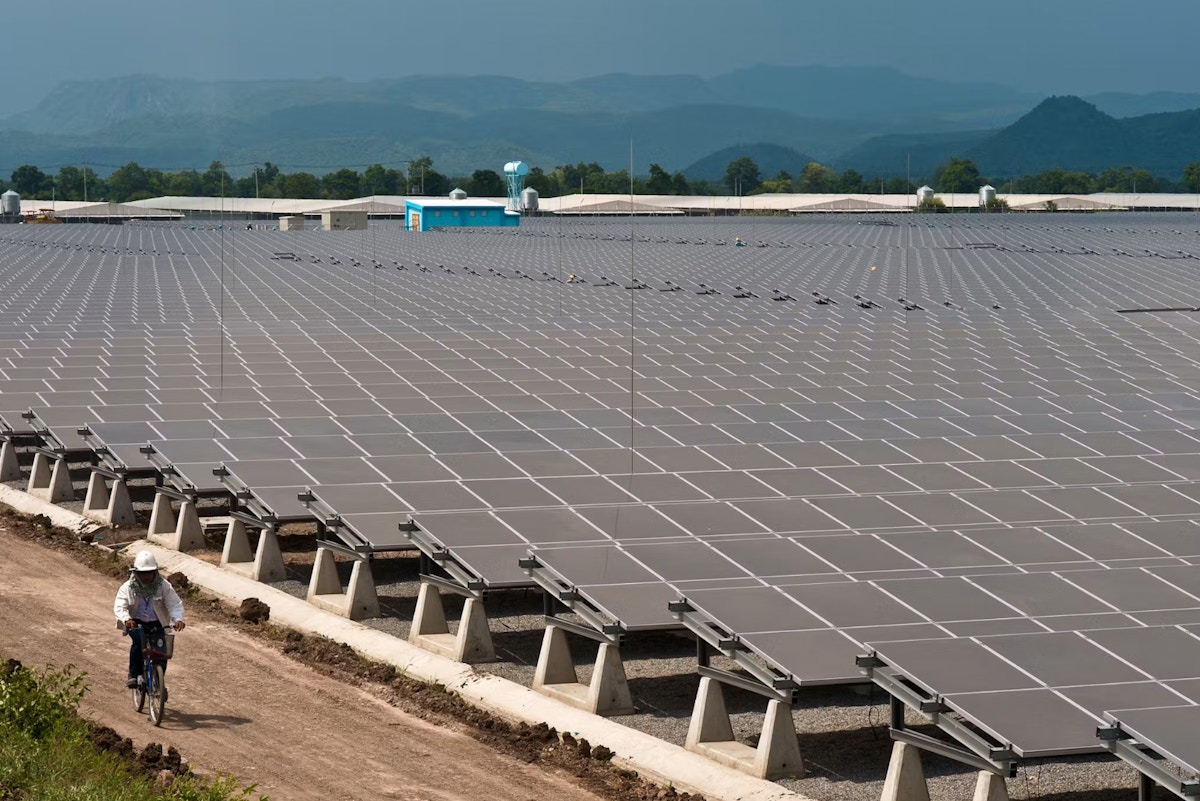
Under the JETP program, initiated in 2022, around 40 priority renewable energy projects are set to facilitate Indonesia’s energy transition with a promised US$20 billion from wealthy nations, including the U.S. Notable projects include the Muara Laboh geothermal site in West Sumatra and a solar farm in West Java. Despite criticism from Indonesia’s climate envoy over the lack of U.S. funding, approximately US$230 million has been allocated for grants and assistance, alongside US$1 billion in equity investments for approved initiatives. Furthermore, Germany’s increased contributions to JETP have compensated for the U.S. withdrawal.
Hamdi proposed that investors consider local captive power systems, especially in industrial zones, to boost renewable energy adoption. Indonesia’s industrial sector, particularly nickel and aluminum smelting, is increasingly seeking green energy solutions. Moreover, as of now, Indonesia relies mostly on coal for its nearly 12-gigawatts of captive power, with a potential rise to 30 gigawatts by 2030.
Despite the country’s vast renewable energy potential and a target of 23 percent clean energy by the end of 2023, Indonesia has made slow progress, achieving only about 15 percent penetration to date. Fabby Tumiwa, executive director of the Institute for Essential Services Reform (IESR), highlighted that only 20 percent of the necessary US$37 billion to meet the 23 percent goal has been secured.
The JETP projects face a significant funding gap of US$76 billion within the total US$97.6 billion required. Tumiwa criticized the low margins on PLN projects, which deter investors due to unattractive returns. The Indonesian government has recently wavered on ambitious climate policies, with the president stating a desire to phase out fossil fuels and develop substantial renewable capacity, though mixed messages have come from influential figures within the government itself.
The content above is a summary. For more details, see the source article.