


Key Takeaways
- The U.S. Department of Energy has withdrawn four appliance efficiency standards and postponed three others, continuing the rollback of regulatory measures from the previous administration.
- The withdrawal of a key electric motor rule is cited as a significant departure from established energy regulations, with potential economic impacts.
- Critics argue that these rollbacks could lead to higher utility costs for consumers while proponents claim it enhances consumer choice.
Withdrawal of Appliance Efficiency Standards
The U.S. Department of Energy (DOE) has announced the withdrawal of four key appliance efficiency standards and the postponement of three additional rules. This move aligns with the Trump administration’s agenda to dismantle appliance efficiency regulations. The withdrawn standards include those for electric motors, ceiling fans, dehumidifiers, and external power supplies.
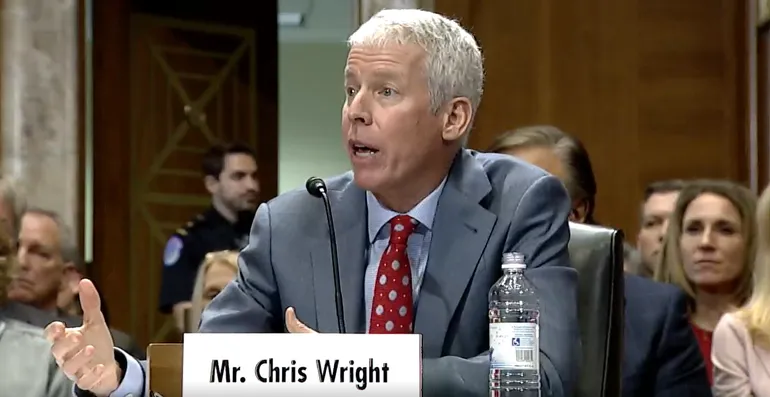
DOE’s Secretary Chris Wright emphasized the commitment to reducing regulatory burdens, allowing consumers more flexibility in choosing appliances. The withdrawn rule for electric motors, however, has raised eyebrows. Andrew deLaski, Executive Director of the Appliance Standards Awareness Project, noted its importance, as electric motors are responsible for significant energy consumption in industrial and commercial settings. The now-abandoned rule was projected to save businesses up to $56 billion in utility costs over 30 years and reduce carbon dioxide emissions by 156 million metric tons.
In addition to the withdrawn standards, three other home appliance rules have had their effective dates postponed, including those related to central air conditioners, heat pumps, and gas instantaneous water heaters. These postponements follow an earlier announcement in February regarding plans to delay implementing energy efficiency standards set by the Biden administration. The natural gas sector has praised this movement as a win for consumer choice, while efficiency advocates warn it could add billions to consumers’ utility bills.
The Energy Policy and Conservation Act mandates that the DOE review appliance efficiency standards every six years; however, the current administration’s approach favors deregulation. Legislative measures, such as H.J. Res. 24 and H.J. Res. 75, are currently being considered to overturn specific DOE rules related to conservation standards for commercial refrigeration systems.
Rep. Virginia Foxx, chair of the House Rules Committee, characterized the current administration’s efforts as a regulatory overreach detrimental to consumers and businesses alike. During Biden’s tenure, the DOE established stronger appliance efficiency standards intended to save consumers about $1 trillion and significantly reduce emissions—impact goals now jeopardized by recent regulatory rollbacks.
The implications of these alterations to energy efficiency standards will likely reverberate across the economy, affecting consumer costs and energy conservation efforts as debates continue within Congress about the future of these regulations.
The content above is a summary. For more details, see the source article.









