


Key Takeaways
- Senate leaders have requested an investigation into Defense Secretary Pete Hegseth for allegedly sharing sensitive military information in a non-government chat group.
- The chat group included top administration officials and resulted in concerns over national security and the use of unsecured communication channels.
- Over 30 Democratic lawmakers are calling for Hegseth’s resignation, emphasizing a breach of public trust in his actions.
Request for Investigation into Hegseth
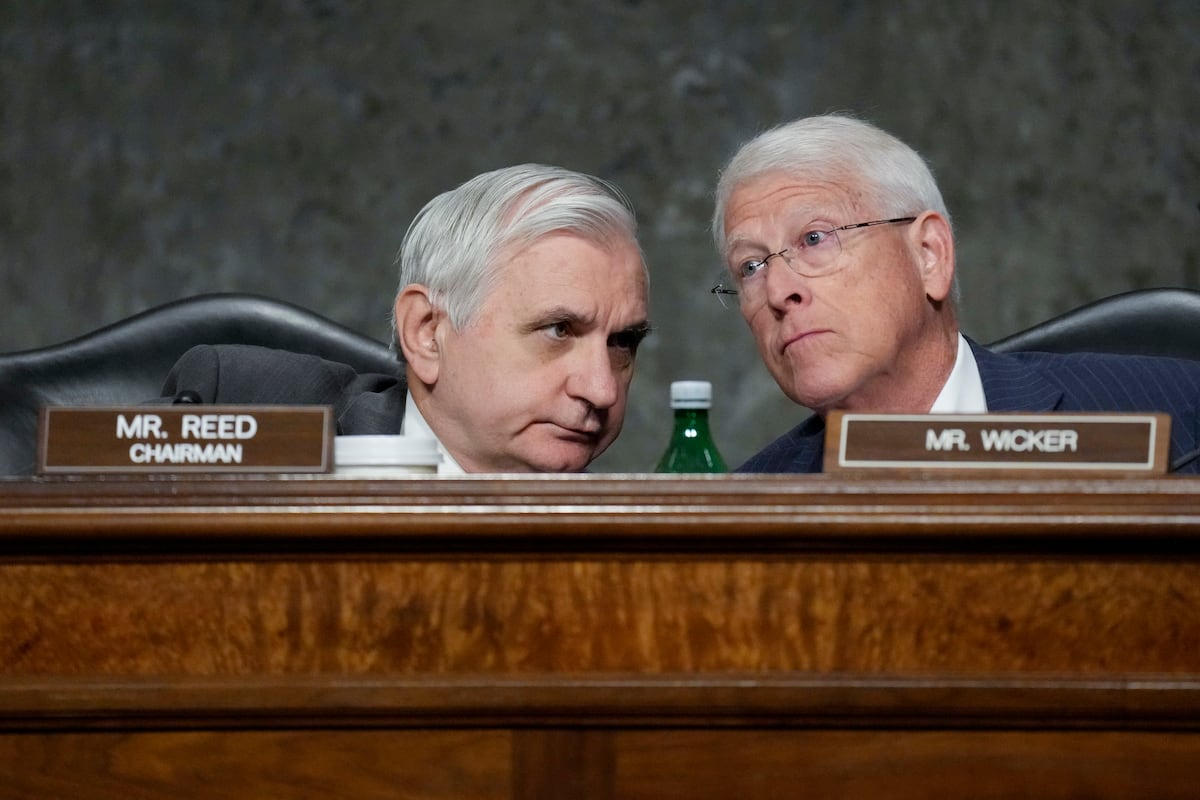
Top Senate lawmakers on Thursday formally requested that the Defense Inspector General’s office investigate whether Defense Secretary Pete Hegseth violated national security laws by sharing sensitive military information in a private chat group before recent airstrikes in Yemen. Senate Armed Services Committee Chairman Roger Wicker (R-Miss.) and ranking member Jack Reed (D-R.I.) highlighted the need for clarity regarding the incident and the safeguarding of military secrets.
This inquiry follows a wave of controversy concerning a chat group on Signal, where Hegseth disseminated military operation details to several prominent figures, including National Security Adviser Michael Waltz, Vice President JD Vance, and Director of National Intelligence Tulsi Gabbard. Notably, Jeffrey Goldberg, the editor-in-chief of The Atlantic, was inadvertently included in the chat and subsequently released a transcript of the discussions. White House officials have maintained that the information shared lacked classified status.
The lawmakers expressed serious concerns in their letter to Acting Inspector General Steven Stebbins, stating, “If true, this reporting raises questions as to the use of unclassified networks to discuss sensitive and classified information.” They emphasized the risks associated with sharing this information with individuals not cleared to access it.
Despite denials from White House and Pentagon officials regarding any improper information sharing, over 30 Democratic lawmakers have called for Hegseth’s resignation, labeling his actions a substantial breach of public trust. Senate Minority Leader Chuck Schumer (D-N.Y.) criticized Hegseth in a floor speech, stating, “The information he shared on Signal is shocking,” and demanded further scrutiny to assess the potential repercussions of the incident.
White House officials confirmed their willingness to cooperate with the investigation while simultaneously downplaying the situation as a media-driven exaggeration. “We have never denied that this was a mistake, and the national security adviser took responsibility for that,” White House Press Secretary Karoline Leavitt stated. She indicated that measures are being taken to prevent future occurrences.
Hegseth and Pentagon representatives have responded by criticizing Goldberg’s reporting as alarmist, asserting that the situation is being unjustly amplified. Wicker has yet to announce plans for committee hearings on the matter, despite Democratic calls for Hegseth to publicly testify regarding the information-sharing issues. Similarly, House Armed Services Committee leaders have not disclosed intentions for open sessions about the controversial incident.
The situation continues to unfold, raising significant questions about the security of military communications and the propriety of using non-government channels for sensitive discussions. As investigations proceed, the accountability of high-ranking officials remains a focal point of concern for lawmakers and the public alike.
The content above is a summary. For more details, see the source article.









