


Key Takeaways
- France is developing a new rocket artillery system, FLP-T, to replace its aging Lance-Roquettes Unitaire by 2027.
- The project aims for a demonstration firing by mid-2026, with a budget of €600 million allocated through 2030.
- France prioritizes a sovereign defense solution to enhance military autonomy amid growing regional demand for rocket artillery capabilities.
French Rocket Artillery Development Initiative
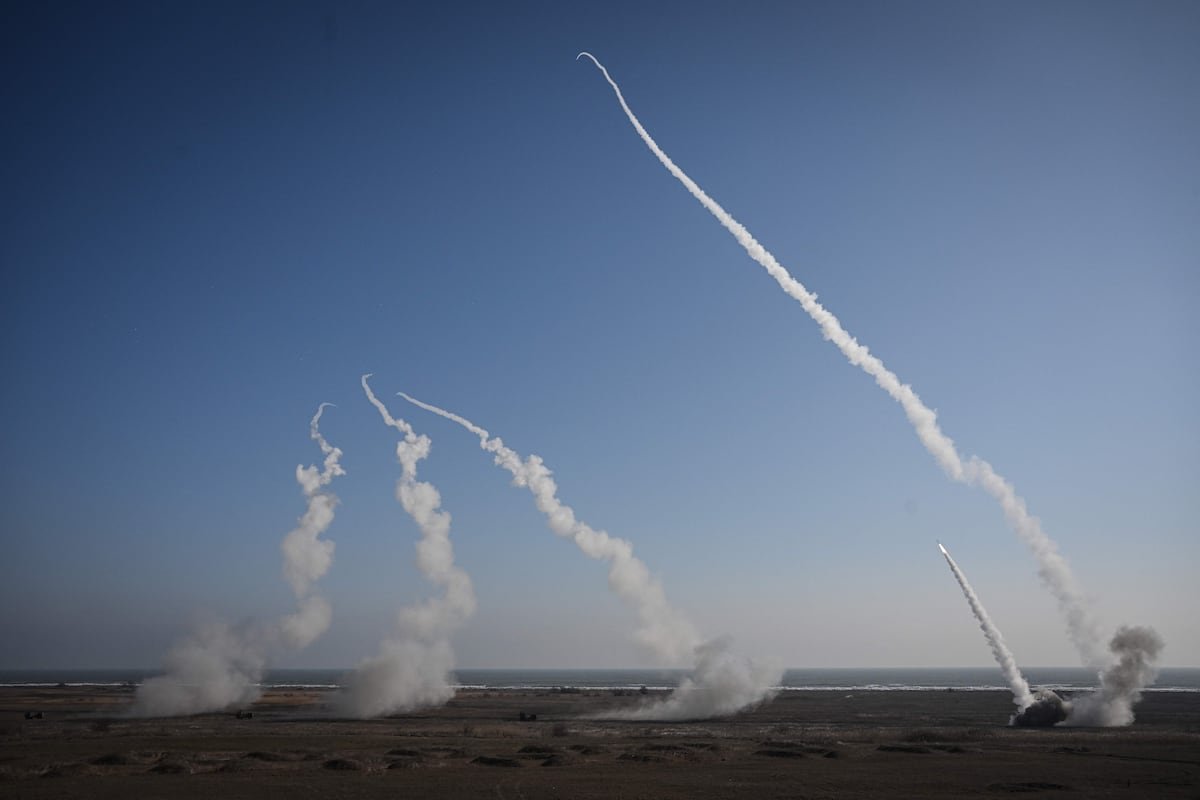
France plans to test a new domestic rocket artillery system named Frappe Longue Portée Terrestre (FLP-T) by mid-2026, aiming to replace its current Lance-Roquettes Unitaire (LRU). The LRU, a modified version of the M270 multiple launch rocket system, is nearing the end of service life, with only nine units remaining until their expected retirement in 2027. The French Directorate General for Armament (DGA) is collaborating with two consortiums: Safran and MBDA, and Thales and ArianeGroup, to establish the technical solutions required for an initial test firing.
As demands for a European alternative to the United States’ High Mobility Artillery Rocket System (HIMARS) grow, the urgency for France to secure its own capabilities becomes evident. Defense analysts, including Léo Péria-Peigné from the Institut Français des Relations Internationales, acknowledge that while the need has been historically low over the past three decades, the impending withdrawal of the LRU necessitates swift action.
The FLP-T initiative has attracted a budget of €600 million ($663 million) under France’s 2024-2030 defense spending plan, with an aim to procure at least 13 systems by 2030 and eventually field 26 by 2035. The DGA’s timeline for LRU replacement is reportedly on track, but concerns over delays remain. Should the development take longer than anticipated, France may look into foreign purchases as a backup, with decisions on that front expected in 2024.
In an October hearing, French Army Chief of Staff Gen. Pierre Schill emphasized the strategic importance of long-range tactical strike capabilities, noting that many European nations currently lack an equivalent to the HIMARS system. Several European countries have opted for either the U.S. HIMARS or alternate systems such as the Israeli PULS launcher or South Korea’s Chunmoo. As of now, nations including Sweden and Norway still seek rocketry systems, amidst a market dominated by options that either originate from the U.S. or specific international partnerships.
The DGA has entered into innovation partnerships with the two consortiums, which allows for direct purchases of the resulting systems without new competitive tenders, as long as performance needs are met. Each consortium plans to demonstrate their systems in the near term, after which the French government will assess the proposals.
The consortiums have introduced their new system called Thundart, which features 150-kilometer precision. Safran and MBDA expressed confidence in their project, citing significant investment and readiness to produce an initial operational capability prior to 2030.
Regardless of the potential challenges in securing a competitive edge in the market, the French military continues to prioritize national development to ensure operational independence. The urgency for a replacement system could pivot decision-making toward foreign acquisitions if domestic options do not materialize promptly. The French military has also indicated intentions to explore systems capable of integrating hypersonic missiles, signaling a commitment not just to replace existing capabilities, but to enhance them for future conflicts.
The overall development of long-range capabilities beyond 1,000 kilometers seems less pressing, with new systems expected only within a longer time frame from 2030 to 2035. This strategic approach reflects the DGA’s ongoing evaluations to modernize and strengthen France’s military capabilities, aligning with broader European defense initiatives.
The content above is a summary. For more details, see the source article.









