


Key Takeaways
- University of Córdoba researchers developed a self-driving tractor to enhance agricultural efficiency and reduce labor reliance.
- The tractor features three steering modes and is designed for precision in woody crop fields like olive groves.
- The project highlights the need for electric-powered agricultural machinery, with current models using diesel and hydraulic systems for optimal performance.
Revolutionizing Agriculture with Autonomous Tractors
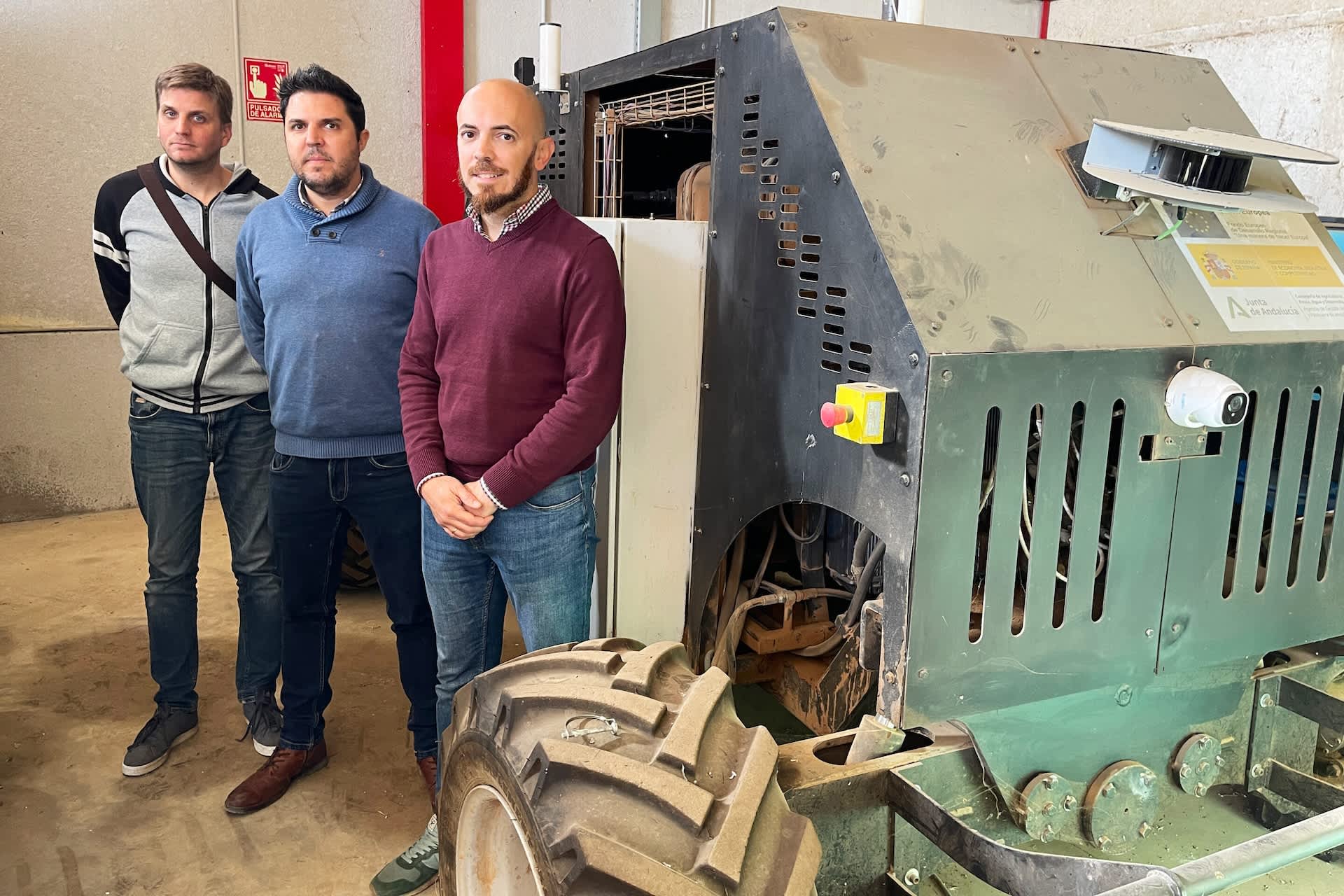
Researchers at the University of Córdoba have created an innovative self-driving tractor aimed at transforming agricultural practices. This robotic tractor can autonomously navigate fields, significantly alleviating the reliance on human labor while boosting operational efficiency.
Collaborating with mechanical manufacturing and programming companies, the university team established this advanced tractor, which they have described in their publication in “Computers and Electronics in Agriculture.” Their goal is to pave the way for commercial applications of this technology.
The self-driving tractor boasts three steering modes: it can drive straight, execute turns, and adapt its trajectory. Its hybrid steering system further enhances performance by precisely following designated waypoints. Initial evaluations conducted in an olive grove revealed the tractor’s impressive ability to tackle both sharp turns and linear sections of fields effectively.
Researcher Rubén Sola noted the uniqueness of this tractor within the national market. Unlike existing small autonomous vehicles designed for agriculture, this tractor combines the functionality of a conventional tractor with advanced features. It includes independent self-leveling axles and steerable wheels, contributing to its versatility.
The emergence of such autonomous vehicles in agriculture marks a significant shift towards modernization. High-tech advancements like AI and robotic systems can potentially make farming more efficient, reduce labor costs, minimize human errors, improve safety, and increase productivity. Additional innovative solutions in agriculture include AI-driven approaches for pesticide reduction, autonomous planting technology, and advanced fertilization decision-making tools.
However, a considerable hurdle remains in the pursuit of clean-energy solutions for powering agricultural machinery. Current models rely on diesel and hydraulic systems for their power needs, as researchers indicate that electric motor batteries lack the longevity required for a full day of operation.
Controlling the tractor’s actuators and hydraulic system is user-friendly; operators can manage it via a computer, mobile device, or tablet. This development emphasizes the feasibility of automated tractors for agricultural applications. The next phase will involve collaborating with industry leaders to disseminate knowledge and promote this cutting-edge technology.
Commercialization efforts could lead to significant advancements in agricultural practices, particularly as they adapt to challenges brought about by climate change. Enhanced agricultural technology stands to help farmers achieve more sustainable and lucrative practices while ensuring a stable global food supply for communities worldwide.
The content above is a summary. For more details, see the source article.









