


Key Takeaways
- Abdulrahman Ibrahim emphasizes the need to avoid Silicon Valley’s pitfalls, particularly in relation to homelessness while pursuing urban innovation.
- His transition from a successful CEO to Chief Data and Innovation Officer at Al-Madinah Region Authority was spurred by a desire to contribute positively to society.
- Madinah aims to become a smart city incorporating sustainable technology, with plans to double its tourism while respecting its historical significance.
A Transformative Approach to Smart City Development
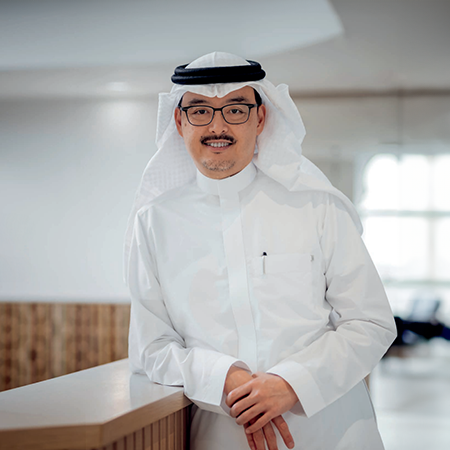
Abdulrahman Ibrahim, the Chief Data and Innovation Officer at Al-Madinah Region Authority, shares a unique perspective on urban development derived from his experiences in Silicon Valley. He warns against replicating Silicon Valley’s model due to its high homelessness rates, questioning the societal costs behind economic success. Ibrahim’s motivation to effect positive change in society rather than merely increasing shareholder wealth underpins his professional journey.
With a background as a successful executive in the private sector prior to 2019, Ibrahim sought new challenges that led him to public service. His enrollment in the Executive MBA program at IMD provided essential support for Madinah’s designation as a smart city. The program emphasized the importance of aligning strategic management with one’s core values and desired social impact.
Madinah’s strategic direction has evolved through community workshops that identified key priorities such as well-being, tourism, environment, mobility, economy, and heritage neighborhoods. The city’s objectives align with the United Nations’ 17 Sustainable Development Goals (SDGs), as demonstrated in their Voluntary Local Review (VLR), which transparently addresses progress and areas needing improvement.
Madinah’s position as the second holiest city in Islam adds complexity to its development. The city accommodates 1.5 million residents and 14 million visitors annually, with plans to double that number by 2030. This necessitates a balance between developing infrastructure and preserving historic appeal. Ibrahim envisions a tranquil smart city where technology enriches the visitor experience, allowing them to engage with the city’s rich history seamlessly.
The city has adopted innovative technologies such as LoRaWAN for smart street lighting, despite facing challenges from telecom companies favoring existing networks. Ibrahim’s leadership emphasizes collaborative negotiations, understanding the diverse motivations of stakeholders involved.
The vision for Madinah also extends to utilizing technology to create an immersive experience for visitors, recognizing each street and square’s historical significance. This approach reflects a commitment to utilizing modern advancements to enhance cultural heritage, ensuring that development enhances quality of life for both residents and visitors.
Ultimately, Abdulrahman Ibrahim’s work and insights present a compelling case for approaching urban innovation with a focus on societal impact, setting a precedent for future smart city initiatives.
The content above is a summary. For more details, see the source article.









