


Key Takeaways
- Atlanta’s Climate Resilience Action Plan aims to cut greenhouse gas emissions by 59% by 2030 and enhance energy equity.
- The city is addressing disparities in energy burdens, affecting households that spend up to 19% of their income on utilities.
- Community engagement and collaborations with local organizations are essential for the plan’s success, despite challenges with federal funding.
Atlanta’s Climate Resilience Action Plan
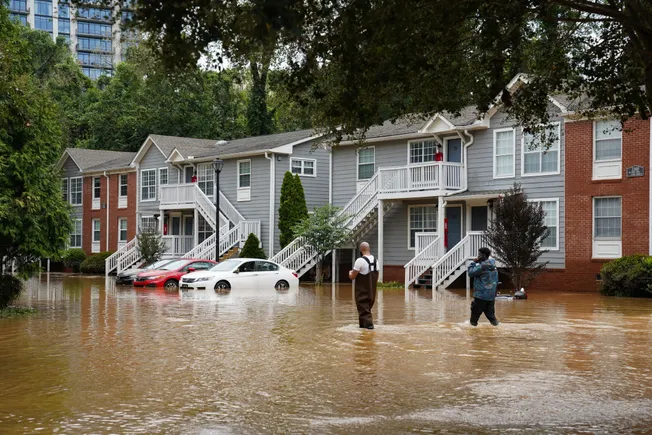
Atlanta is set to unveil its inaugural Climate Resilience Action Plan on April 30. This comprehensive strategy aims to tackle climate issues such as extreme heat, drought, and flooding, which disproportionately affect vulnerable populations. The plan sets ambitious targets, including a 59% reduction in greenhouse gas emissions by 2030, the installation of 250 electric vehicle charging stations by 2025, and alleviating the energy burden on 10% of the city’s most affected households.
For 18 months, the Mayor’s Office of Sustainability and Resilience collected community insights, focusing on the varied impacts of climate challenges across different neighborhoods. Chief Sustainability Officer Chandra Farley emphasized the importance of creating a plan that promotes climate resilience and equity simultaneously. Atlanta is frequently cited among the top five U.S. cities for energy burden, measured by the percentage of household income spent on energy bills. Many residents in Atlanta face significant energy costs, with some spending between 6% and 19% of their monthly incomes on utilities.
The plan’s initiative for energy equity has faced hurdles due to federal policy changes. The Trump administration’s direction has halted federal grants aimed at promoting diversity, equity, and inclusion (DEI) in energy efforts. Farley noted that a cease-and-desist letter was received regarding a grant tied to the Southeastern Energy Efficiency Alliance, putting the project on hold as agreements are revised to exclude DEI language. However, Farley asserted that Atlanta remains committed to addressing energy inequities, especially in distressed neighborhoods that experience the brunt of climate impacts.
In the face of these challenges, the sustainability office remains proactive in preparing for future funding opportunities. Farley stated that while the transition from the Trump to Biden administration has posed challenges—what she described as “whiplash”—there are still numerous projects underway that do not rely on federal funds.
Among these initiatives, a pilot program is underway to improve home energy efficiency before integrating renewable energy sources like solar panels. Additionally, the city collaborates with Invest Atlanta’s Owner-Occupied Rehab Programs to provide forgivable loans for weatherization and essential home repairs. Partnerships with organizations like Sustainable Georgia Futures also help local contractors expand their businesses by introducing weatherization services.
Collaboration is vital for the success of the Climate Resilience Action Plan. The city has established a 32-member Climate Resilience Advisory Board that includes representatives from various agencies, including the Atlanta Housing Authority and the Metropolitan Atlanta Rapid Transit Authority. Notably, the board includes residents from the most energy-burdened neighborhoods, ensuring their voices contribute to decision-making processes. Members who complete their two-year terms join a resource network that has grown to over 100 participants.
Farley asserted that sustained engagement from community members, local businesses, and non-profit organizations will be crucial for meeting the goals of the climate resilience plan, regardless of the challenges posed by fluctuating federal support.
The content above is a summary. For more details, see the source article.









