


Key Takeaways
- Home Assistant allows efficient smart home automation with minimal hardware on devices like Raspberry Pi.
- Setting up Home Assistant involves installing dependencies, configuring initial settings, and integrating various smart devices.
- This platform offers local control without reliance on cloud services, enhancing privacy and functionality for smart homes.
Efficient Smart Home Automation with Home Assistant
For many, the thought of incorporating smart home technology often raises concerns about privacy, especially with devices that record conversations. However, with innovations like Home Assistant, transforming a home into a smart hub can be accessible and efficient, even for those previously skeptical about smart devices. By utilizing a Raspberry Pi 4 or 5, users can host Home Assistant effectively, requiring only basic hardware: a microSD card, a LAN cable, and compatible smart devices.
Initial setup involves installing the necessary software dependencies and configuring Docker. A GitHub deployment guide provides step-by-step instructions to help users navigate potential obstacles during installation, such as handling errors or configuring commands for optimal performance.
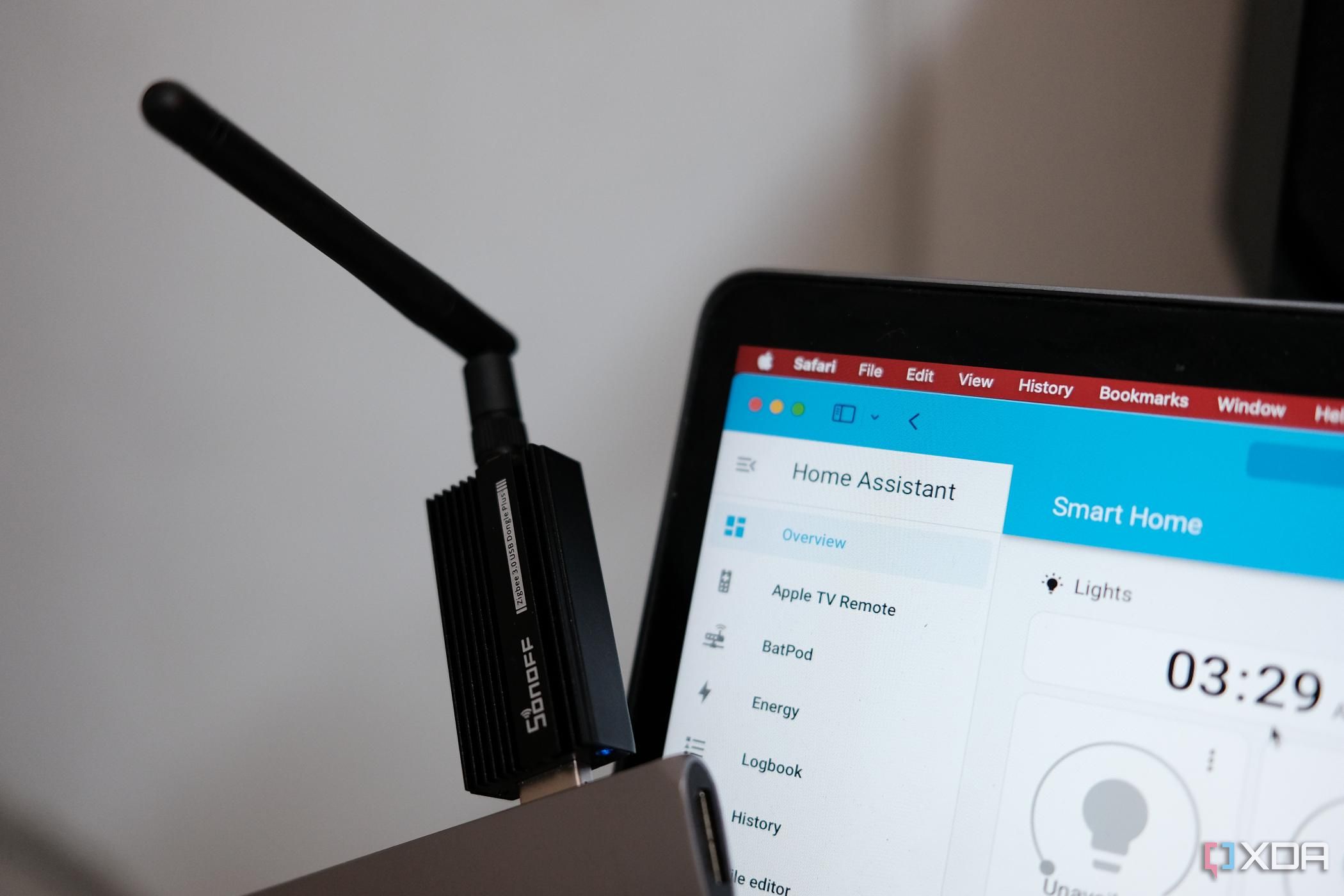
Once installed, integrating devices can be straightforward. Home Assistant automatically detects smart devices, simplifying the setup through a user-friendly dashboard. It supports various integrations, including Zigbee protocols for device connectivity, allowing users to manage devices effectively—even older models that may not be supported by proprietary platforms.
The platform’s appeal lies not just in its comprehensive device management, but also in its focus on user privacy. By allowing local control of smart device functionalities without relying on external servers, Home Assistant empowers users to automate and manage their homes independently. With robust configuration options and the possibility of integrating voice control through its Assist feature, Home Assistant is becoming a favored choice for smart home enthusiasts looking to personalize their home automation experiences while maintaining control over their data.
The content above is a summary. For more details, see the source article.









