


Key Takeaways
- Well-managed solar parks can significantly increase bird diversity compared to surrounding farmland.
- Solar farms with diverse habitats had nearly three times more bird species than adjacent agricultural land.
- Strategic planning is essential to avoid ecological risks when developing solar projects.
Higher Biodiversity in Solar Parks
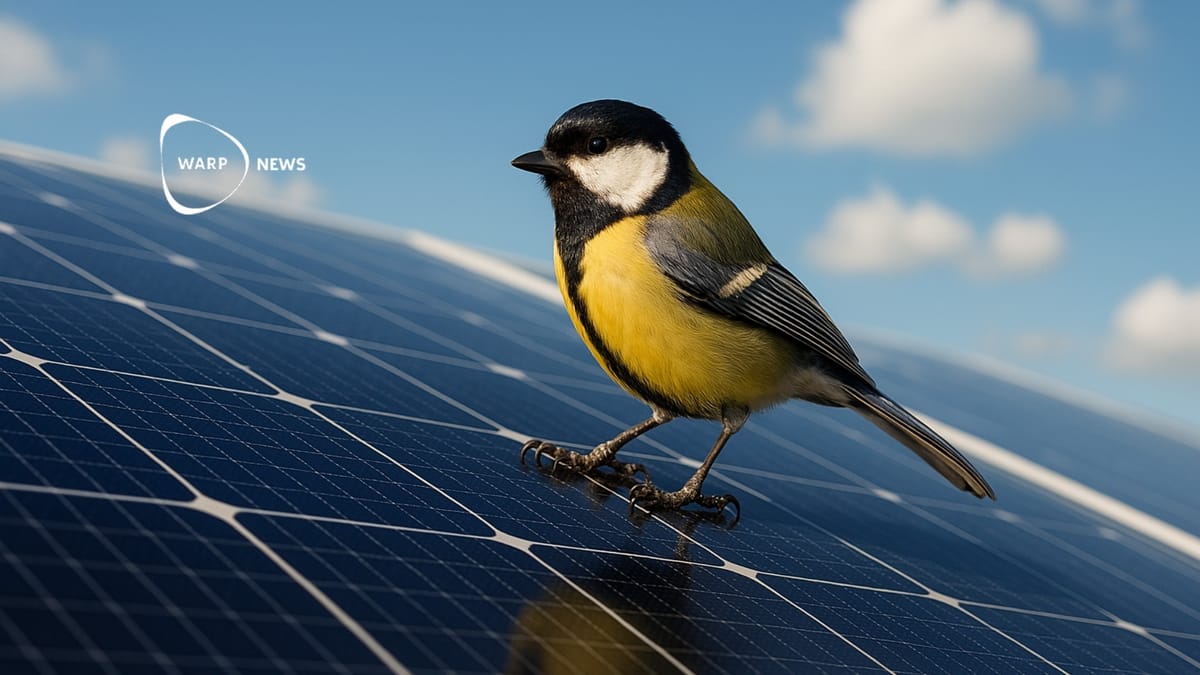
A recent study from RSPB and the University of Cambridge reveals that effectively managed solar farms can enhance biodiversity while providing renewable energy. Published in the journal Bird Study, the research focused on two types of solar parks in the East Anglian Fens, UK.
The findings indicate that solar parks host more bird species and individual birds per hectare than surrounding agricultural land. Notably, solar farms that incorporate a mix of habitats, where grass is left uncut and hedges are preserved, support nearly three times the number of birds compared to nearby farmland. Dr. Catherine Waite, a researcher at the University of Cambridge and co-author of the study, emphasizes the necessity of efficient land use amid the climate and biodiversity crises. She states, “Our study shows that if you manage solar energy production in a certain way, you’re not only delivering clean energy but also benefiting biodiversity.”
While the study promotes the benefits of solar farms, it also underscores the need for careful location planning. New solar farms should avoid areas of ecological significance, including nature reserves and habitats important for endangered species. The research suggests that solar energy projects do not threaten national food security, particularly when placed on low or moderately productive agricultural land.
RSPB advocates for “strategic and spatial planning for renewable energy” to ensure solar installations are developed in low-risk locations for nature. The organization views ongoing consultations regarding land use as a significant advancement toward balancing renewable energy development with ecological preservation.
The content above is a summary. For more details, see the source article.









