


Key Takeaways
- Cities are using smart technologies to enhance transportation and law enforcement services.
- Transparency and data governance are critical for improving public trust and effectiveness of these technologies.
- Policy options exist to enhance collaboration, increase transparency, and develop data standards for smart technology implementation.
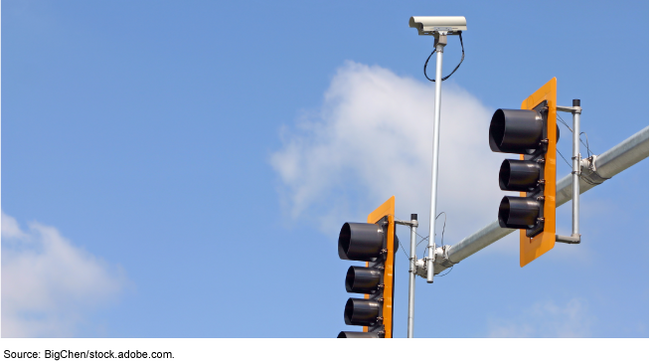
Cities are increasingly adopting smart technologies to enhance transportation and law enforcement services. These innovations include systems that monitor vehicle numbers and speeds, automatic license plate readers, and acoustic gunshot detection systems. Data collected from these technologies is often analyzed at transportation management centers to improve city functions.
While city officials recognize potential benefits, evaluating the effectiveness of individual technologies poses challenges due to the multifaceted nature of these systems. For instance, Houston TranStar officials attribute their success to a combination of technologies and personnel, making it difficult to isolate the impact of specific tools. Additionally, experts emphasize that the efficiency of law enforcement technologies can be hampered by fragmentation and varying implementations across large urban areas.
Concerns about transparency also arise, as communities often lack information on both the benefits and risks associated with smart technologies. Individuals may be unaware of how their data is utilized, leading to privacy risks such as data misuse and identity theft. Experts recommend that individuals should have the opportunity to consent to the use of their data, suggesting that policymakers, including local elected officials, should establish privacy advisory boards and enforce data governance practices.
In response to these concerns, the Government Accountability Office (GAO) has put forward several policy options to facilitate the effective use of smart technologies in cities. These options include:
1. **Enhanced Collaboration:** Encouraging partnerships between local governments and academic researchers to evaluate the effectiveness and risks of smart technologies, focusing on local community needs. This approach can help streamline research efforts and avoid duplication.
2. **Increased Transparency:** Cities should communicate clearly about the functions, benefits, and risks of smart technologies, including data protection measures. Clear information can build trust with the public and ease apprehensions about data misuse.
3. **Data Governance Standards:** Policymakers can develop standards for data governance and provide training for city procurement officials. Well-defined governance can protect individuals and ensure adherence to contractual obligations by vendors.
While the status quo allows policymakers to observe the outcomes of current smart technology applications, it may not adequately address transparency and data governance challenges. Immediate action through enhanced collaboration, transparency, and effective data governance could significantly mitigate risks associated with smart technology deployment in urban environments.
This report reflects findings from extensive research, including interviews with various stakeholders and site visits in cities such as Atlanta, Houston, San Diego, and the San Francisco Bay area, highlighting the intricate relationship between technology, public safety, and civil liberties.
The content above is a summary. For more details, see the source article.









