


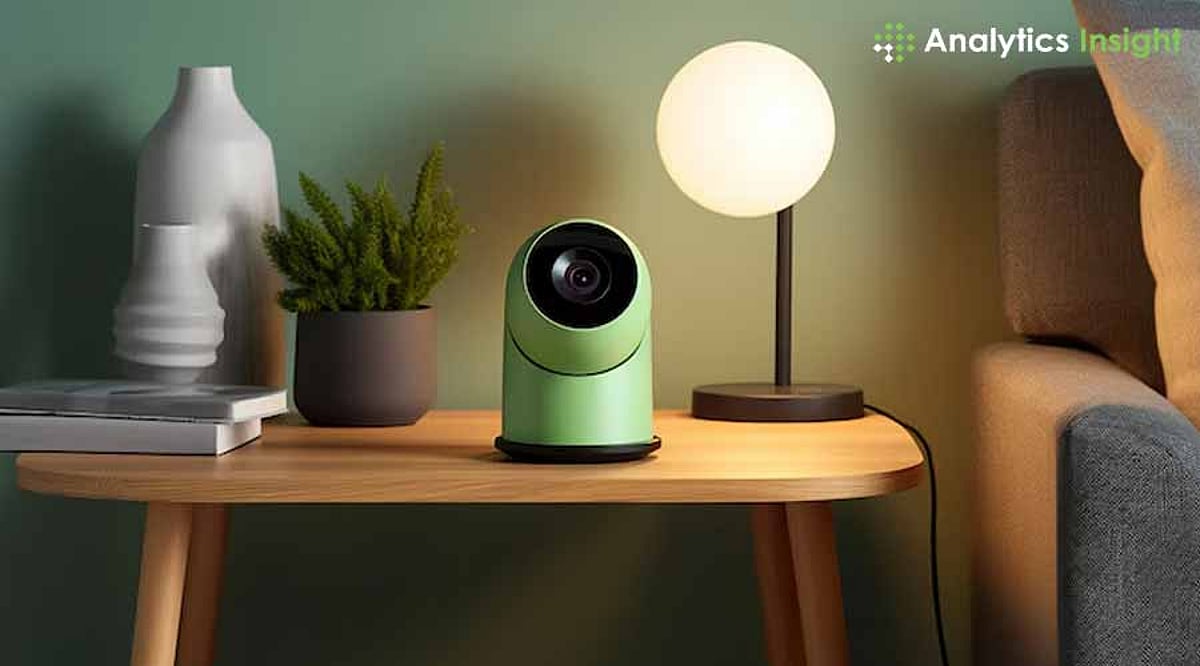
Key Takeaways
- Consider smart home compatibility for seamless integration.
- Higher video resolution enhances image clarity for better identification.
- Evaluate AI features and storage options based on privacy needs and budget.
Choosing the Right AI Indoor Security Camera
Selecting an AI indoor security camera involves several key considerations to ensure it meets specific needs. First and foremost, compatibility with existing smart home devices is crucial. The camera should integrate smoothly with other systems to enhance functionality.
Video quality is another essential factor. Higher resolution cameras provide sharper images, which significantly improve the ability to recognize faces and details. This feature is vital for effective monitoring and security.
AI capabilities are also important in making a selection. Look for cameras that include advanced features such as facial recognition, motion detection, and customizable activity zones, which help reduce false alarms and improve security management.
Storage options vary between cloud and local solutions. It’s important to choose based on individual privacy preferences and budget constraints. Cloud storage offers convenience but may raise privacy concerns, while local storage can provide more control over personal data.
Finally, budget considerations play a significant role in the decision-making process. While more expensive models tend to offer advanced features, it’s essential to balance cost against the necessary functionalities. Each buyer should assess their specific needs and financial limits to make an informed choice that meets both security requirements and budgetary constraints.
The content above is a summary. For more details, see the source article.









