


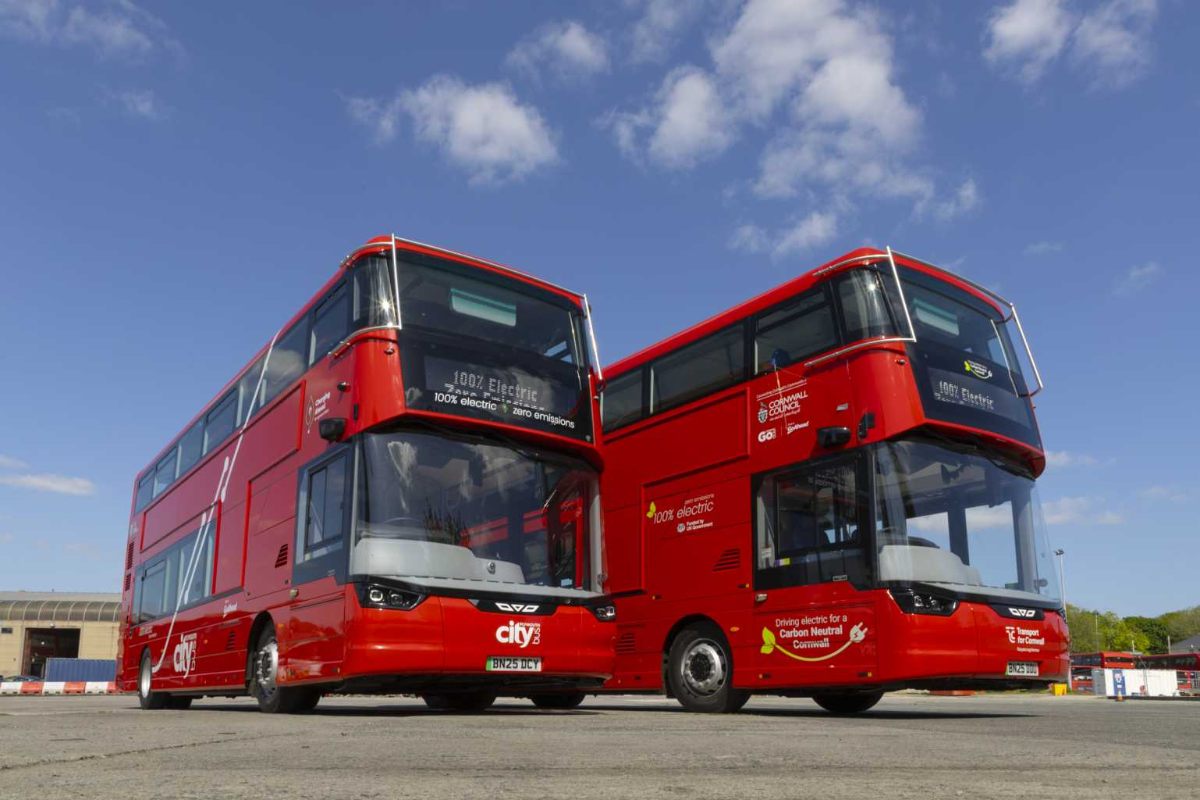
Key Takeaways
- Plymouth Citybus plans to have 50 new electric buses operational by the end of the year.
- The initiative is a collaboration with Plymouth City Council, Cornwall Council, and the Department for Transport.
- The project aims to replace half of the current bus fleet with eco-friendly alternatives.
Plymouth Citybus is making significant strides towards modernizing its transport system with the introduction of electric buses. By the end of this year, the full fleet of 50 electric buses is expected to be operational, marking a major step in the city’s commitment to sustainable transportation.
This initiative is a collaborative effort involving Plymouth City Council, Cornwall Council, and the Department for Transport. The goal is to replace half of the current bus fleet with environmentally-friendly electric vehicles, aiming to reduce carbon emissions and improve air quality in the region.
The transition to electric buses aligns with broader efforts to promote green energy solutions and combat climate change. These buses are designed to offer a quieter and cleaner alternative for public transport, enhancing the overall travel experience while contributing to a healthier urban environment.
As part of this initiative, stakeholders are optimistic that the new e-buses will attract more passengers by providing a modern and efficient option for public transport. The investment in a cleaner, greener fleet is seen not only as a way to enhance service but also as a crucial element in meeting sustainability targets laid out by local and national governments.
The partnership between various councils and the Department for Transport underscores the importance of regional collaboration in implementing effective public transport solutions. With infrastructure improvements and community outreach planned in conjunction with the rollout of the electric buses, the initiative aims to foster public support and encourage a shift toward more sustainable travel choices.
In summary, the transition to electric buses in Plymouth represents a forward-thinking approach to public transportation, committed to environmental stewardship and community wellness. As this project progresses, it is likely to serve as a model for similar initiatives in other cities across the country.
The content above is a summary. For more details, see the source article.









