
Key Takeaways
- Seattle and Portland, once vibrant urban centers, struggle with homelessness and social decay despite technological advancements.
- Technocratic initiatives like Seattle’s Vision Zero focus on data and efficiency, often overlooking essential human experiences and community needs.
- Successful urban environments prioritize human interaction and joy over mere optimization, as seen in cities like Copenhagen.
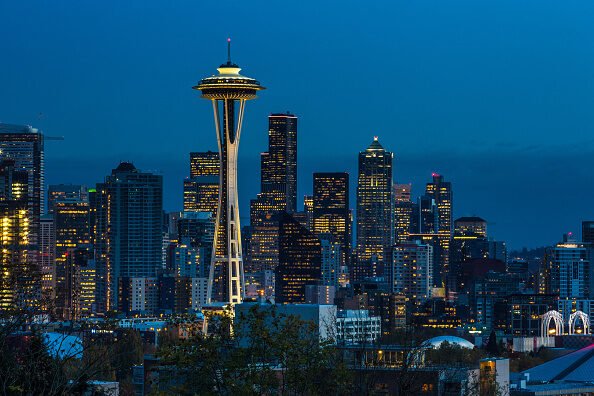
Seattle, a city known for its musical heritage in the 1990s, now faces significant challenges, displaying stark contrasts between technological advancements and urban decay. Once an embodiment of West Coast progressivism, Seattle has transformed into a paradox. Despite advanced infrastructures including smart streetlights and adaptive traffic signals, the city struggles to maintain a vibrant civic experience. Sidewalks, once bustling with nightlife, now reflect a decay marked by visible homelessness and substance abuse.
The impact of the COVID-19 pandemic exacerbated existing social issues, leading to an alarming increase in tent encampments and a significant percentage of the homeless population living unsheltered. As many as 57% of Seattle’s homeless individuals are now without shelter, facing harsh conditions in streets that used to symbolize a thriving community. The technological marvels touted by city planners stand in stark opposition to the persistent decay of social order and public trust.
Seattle’s Vision Zero initiative, aimed at reducing traffic fatalities through sensor-based management, highlights a troubling trend: the human experience is often sidelined in favor of metrics. While advanced infrastructures exist, they fail to foster a sense of community. The exodus of businesses and families seeking safer environments reflects a growing sentiment that the city prioritizes data over human elements.
Historically, the quest for a technocratic utopia has deep roots, tracing back to figures like James Conant and Robert McNamara, who championed intelligence and measurement. However, this fixation on numbers often leads to a blind spot regarding practical wisdom—the understanding of how to create conditions for human flourishing. This deficiency is visible not only in Seattle but also in Portland. Once a progressive urban model, Portland grapples with escalating crime and increased homelessness, rendering its smart initiatives ineffective.
The dream of a “New Atlantis,” a city governed by science and data, risks becoming dystopian when it lacks essential values. The surveillance and data aggregation inherent in such models can prioritize control over community well-being. Efforts like Sidewalk Toronto faced backlash due to concerns about privacy and the commodification of public space, demonstrating the limits of technocratic ambitions.
In contrast, cities like Copenhagen exemplify the benefits of prioritizing human experience over data metrics. By eliminating cars from the city center, Copenhagen fosters vibrant public spaces where people can enjoy leisurely activities. This focus creates an environment rich in public trust and community engagement.
Ultimately, the essence of a successful city lies not in rigid data models but in its ability to nurture human connections and experiences. The obsession with efficiency in urban design often narrows the scope of what cities can be. True smart cities should enable freedom and foster opportunities for people to connect, explore, and simply exist—qualities lost in today’s technologically optimized environments.
The content above is a summary. For more details, see the source article.