


Key Takeaways
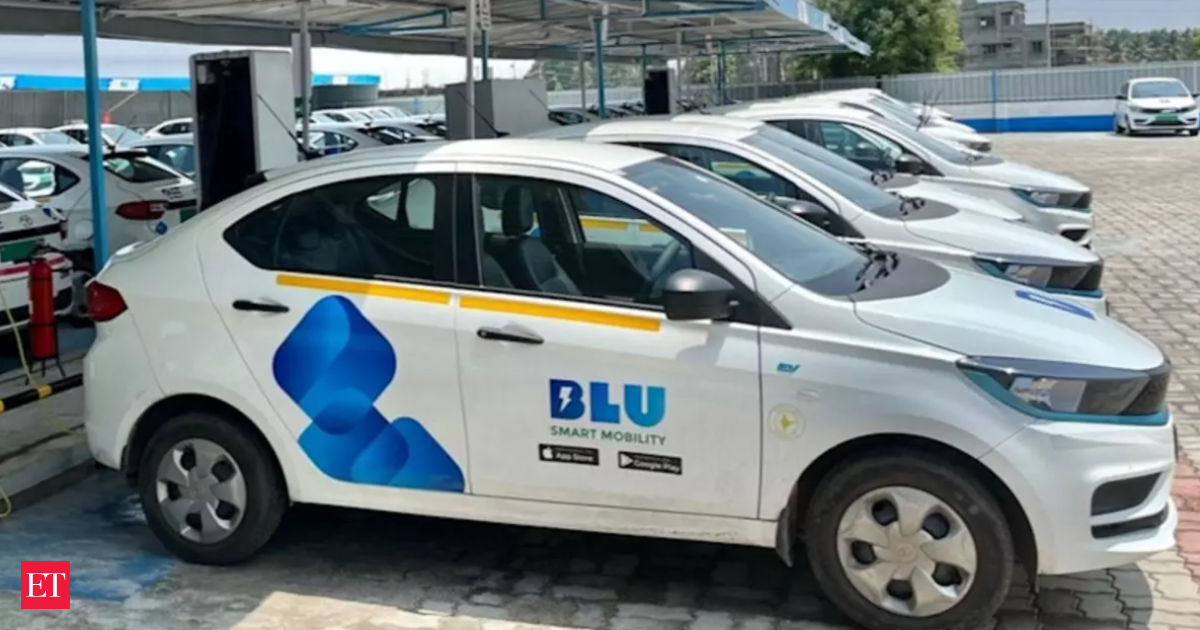
- The Reserve Bank of India is examining digital wallets linked to electric vehicle services after the collapse of BluSmart, a major EV taxi service.
- BluSmart’s users faced difficulties accessing funds in their wallets, revealing gaps in consumer protection for closed-loop payment systems.
- The RBI may introduce new regulations to safeguard consumer balances in app-based wallets, potentially reshaping India’s digital economy.
RBI Investigates Digital Wallets Amid EV Service Collapse
The Reserve Bank of India (RBI) is investigating digital wallets associated with electric-vehicle (EV) service providers, particularly after the sudden failure of BluSmart, the country’s largest all-electric taxi service. This investigation has arisen due to users’ inability to access money in their wallets, leading to significant concerns regarding consumer protection in the rapidly developing EV sector.
The troubles began when users of BluSmart’s digital wallet, which facilitated transactions for airport and intra-city rides, were left without recourse to their preloaded funds. Following the collapse of the service, customers were informed it could take up to 90 days to process refunds or transfers. This scenario has underlined the vulnerabilities associated with closed-loop wallets, which are app-based payment systems restricted to use within a single platform. Unlike open-system wallets, which fall under RBI’s regulations, closed-loop wallets lack direct supervision, making them more susceptible to risks.
As a response to these issues, the RBI has initiated informal discussions with EV charging-point operators and other digital platforms in the EV space to identify potential risks to consumers. This proactive stance is aimed at enhancing the safety and reliability of payment systems used in India’s growing digital services market.
In light of these findings, the RBI is reportedly considering several regulatory measures. One possibility is the mandating of escrow arrangements for consumer balances held in these wallets. Such arrangements would aim to protect users’ funds in the event a service provider ceases operations. Additionally, the RBI might extend elements of its existing Prepaid Payment Instruments (PPI) guidelines to encompass large-scale closed-loop wallets, elevating their oversight.
While the RBI has not yet formalized its position, any shift toward tighter regulations could have significant consequences for the broader digital economy in India. Many platforms currently rely on prepaid balances to enhance user retention and drive repeat business. Imposing stricter regulations may alter the operational landscape for these businesses.
The RBI’s forthcoming engagements with affected stakeholders and a potential regulatory overhaul could tastefully balance innovation within India’s vibrant digital ecosystem whilst prioritizing consumer protection. The outcome will be closely watched, as it will not only affect the EV sector but could also set a precedent for the regulation of digital wallets across various segments in India’s economy.
The content above is a summary. For more details, see the source article.









