


Key Takeaways
- Smart cities face challenges in traffic management, particularly regarding scalability, interconnectivity, and privacy.
- Edge computing improves data processing efficiency, resilience, and privacy in smart traffic systems.
- AI advancements facilitate real-time traffic management and predictive capabilities, enhancing overall city functionality.
Smart Cities and Traffic Management
The shift towards smart cities is accelerating globally, but the deployment has faced setbacks due to challenges in traffic management and changing definitions of what constitutes a smart city. Initial expectations, such as flying vehicles, have evolved significantly over the years.
Promises of improved safety, reduced pollution, and enhanced quality of life are appealing but complex. New York City’s congestion pricing plan exemplifies these challenges, as it has been delayed indefinitely due to public backlash and logistical concerns. Smart city projects, particularly in large urban areas, require comprehensive planning and networking among diverse sensors to be effective.
Key obstacles include:
- Scale: Implementing smart city technologies works best in larger urban settings; fragmented, smaller deployments fail to deliver full benefits.
- Interconnectivity: Successful smart cities rely on vibrant sensor networks, yet many sensors have different APIs making integration difficult.
- Dynamic Nature: Cities are ever-evolving, which complicates the adaptability of traffic management systems to constant urban changes.
Privacy concerns are amplified by the deployment of smart city technologies, as increased data availability raises the risk of breaches. Furthermore, the legal frameworks surrounding technology lag behind its rapid development, adding another layer of complexity.
To address these issues, edge processing is emerging as a vital solution. It allows data to be analyzed at the sensor level, enhancing speed and resilience while reducing the volume of data transmitted for processing. Key benefits include:
- Resilience: No single point of failure makes the system more robust.
- Speed: Immediate data processing helps avert delays in decision-making.
- Scalability: Easier expansion by adding nodes without a complete system overhaul.
Emerging AI technologies can significantly enhance smart traffic systems by identifying patterns from various sensors. This evolution in AI necessitates that smart city infrastructure be designed for easy upgrades, ensuring compatibility with future advancements.
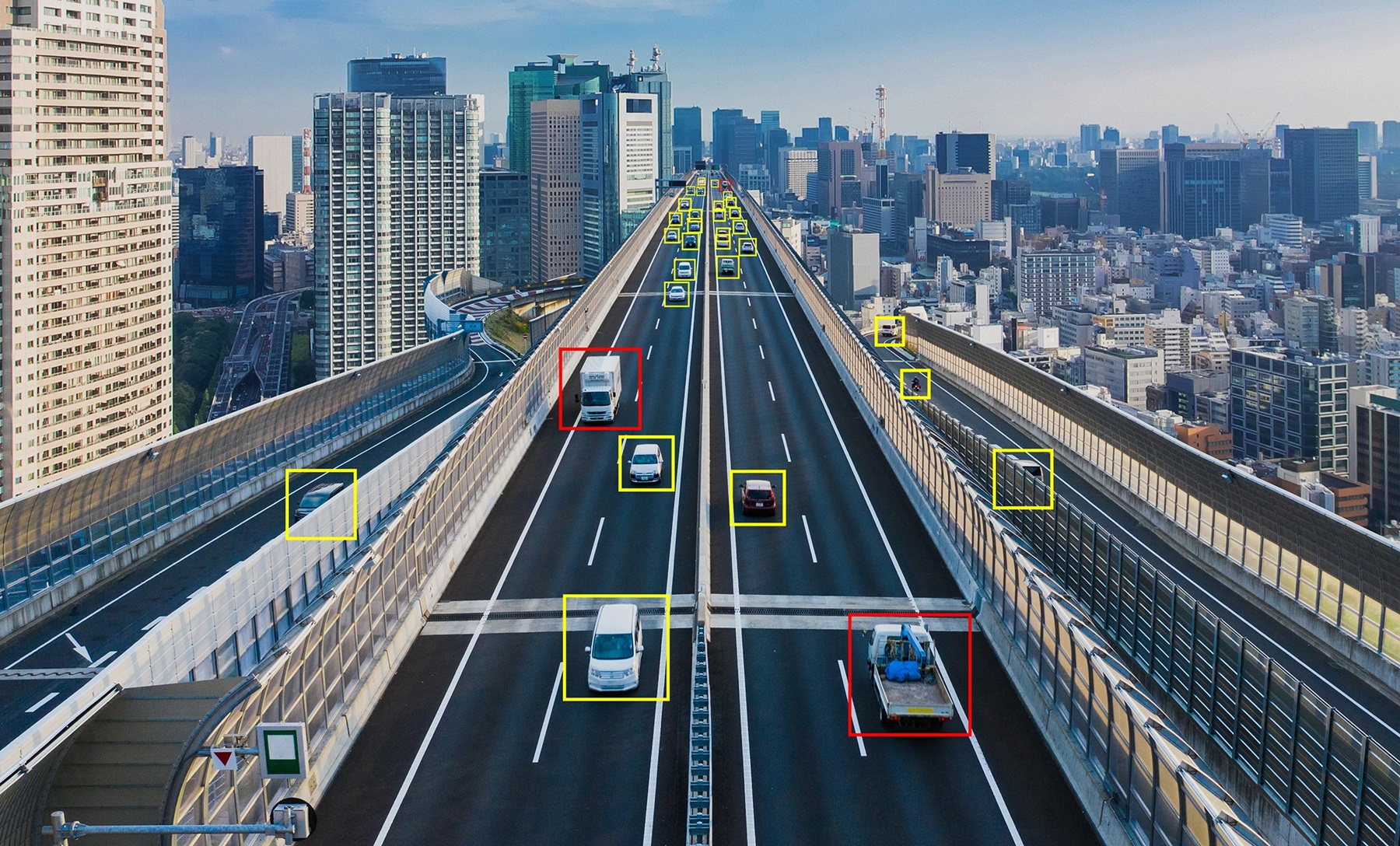
Cameras play a vital role in smart city traffic systems, monitoring traffic patterns and supporting enforcement. The development of flexible camera systems enables advanced functionalities, such as dynamic traffic light adjustments and rerouting based on conditions.
By merging edge computing with AI, smart cities can move from reactive to predictive management, optimizing traffic flow and addressing issues proactively. Future capabilities include smart parking, dynamic speed limits, and comprehensive traffic management systems, promising greener urban environments and improved living standards.
The content above is a summary. For more details, see the source article.









