


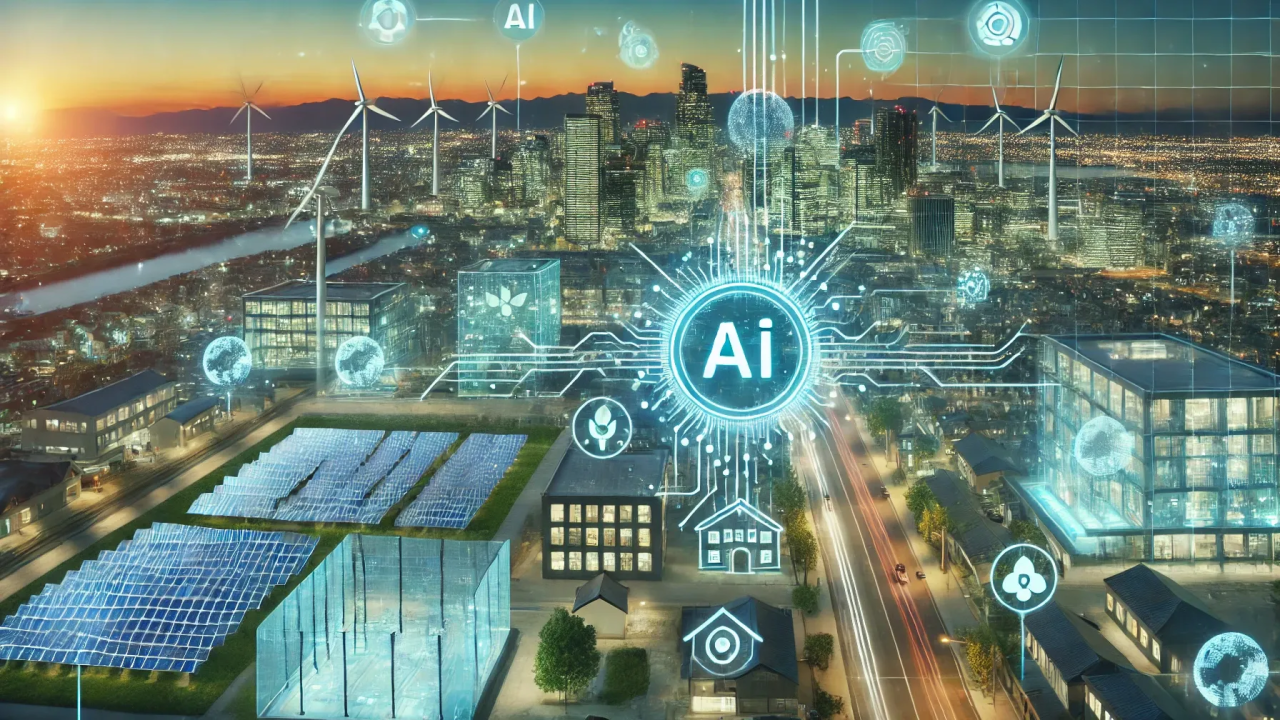
Key Takeaways
- The AI market in the energy sector is forecasted to grow from $10.56 billion in 2023 to $45.78 billion by 2030.
- AI is essential for modernizing Africa’s power grids, enabling real-time data analysis, predictive management, and integration of renewable energy.
- Smart grids powered by AI not only enhance reliability and efficiency but also support sustainability and climate goals across the continent.
Transforming Africa’s Energy Landscape
The global energy sector is witnessing significant changes, driven largely by advancements in artificial intelligence (AI). The AI market within this sector was valued at $10.56 billion in 2023 and is expected to soar to $45.78 billion by 2030. This growth underscores the transformative potential of AI in modernizing power systems.
Africa currently faces a pivotal energy challenge, with nearly 600 million people lacking access to electricity. Achieving inclusive and sustainable smart cities is contingent on upgrading foundational grid infrastructure. As urbanization progresses, aging power assets require immediate modernization to meet rising electricity demands. AI is emerging as a key catalyst for facilitating this transformation.
In contrast to traditional one-directional power grids, modern grids need to adapt to the multi-directional flow of energy, where consumers are also producers. Urban centers increasingly include households and businesses generating solar energy. With increasing electrification and climate impacts, the complexity of grid management is heightened, necessitating intelligent networks capable of real-time analysis.
The Role of AI in Smart Grids
AI, when integrated with the Internet of Things (IoT), provides the necessary intelligence to modern electrical grids. By processing vast amounts of data from smart meters and sensors, AI can predict energy demand and improve grid management. For example, AI-driven forecasting models enable operators to anticipate consumption patterns, optimizing generation and mitigating risks like blackouts.
In regions like South Africa, where demand spikes can lead to severe load shedding, these predictive capabilities mark a significant shift from crisis management to resilience. AI also enhances demand management by analyzing usage patterns to implement Time-of-Use tariffs, encouraging off-peak energy consumption, which contributes to grid stability.
AI’s predictive maintenance capabilities help prevent outages by identifying anomalies in equipment behavior through real-time sensor data analysis. This proactive approach enhances infrastructure reliability and reduces costs associated with power theft, a persistent issue in many African regions.
Moreover, AI plays a crucial role in balancing the integration of renewable energy sources. It enables utilities to forecast renewable output while coordinating energy flows from traditional and stored sources, ensuring a stable energy supply.
Conclusion: Sustainable Energy Systems
Smart grids enhanced by AI not only improve operational efficiency but also promote the utilization of clean energy, addressing climate change challenges. By incorporating intelligent systems, cities can reliably increase their green energy share without compromising stability. This transition ultimately contributes to long-term sustainability, thereby reinforcing Africa’s commitment to a low-carbon future.
The content above is a summary. For more details, see the source article.









