


Key Takeaways
- Geofencing enables smart home devices to automate actions based on a user’s location.
- This technology raises privacy concerns as it requires location data, affecting how personal information is shared.
- Users can start small by integrating simple devices that support geofencing for practical home automation.
Understanding Geofencing in Smart Homes
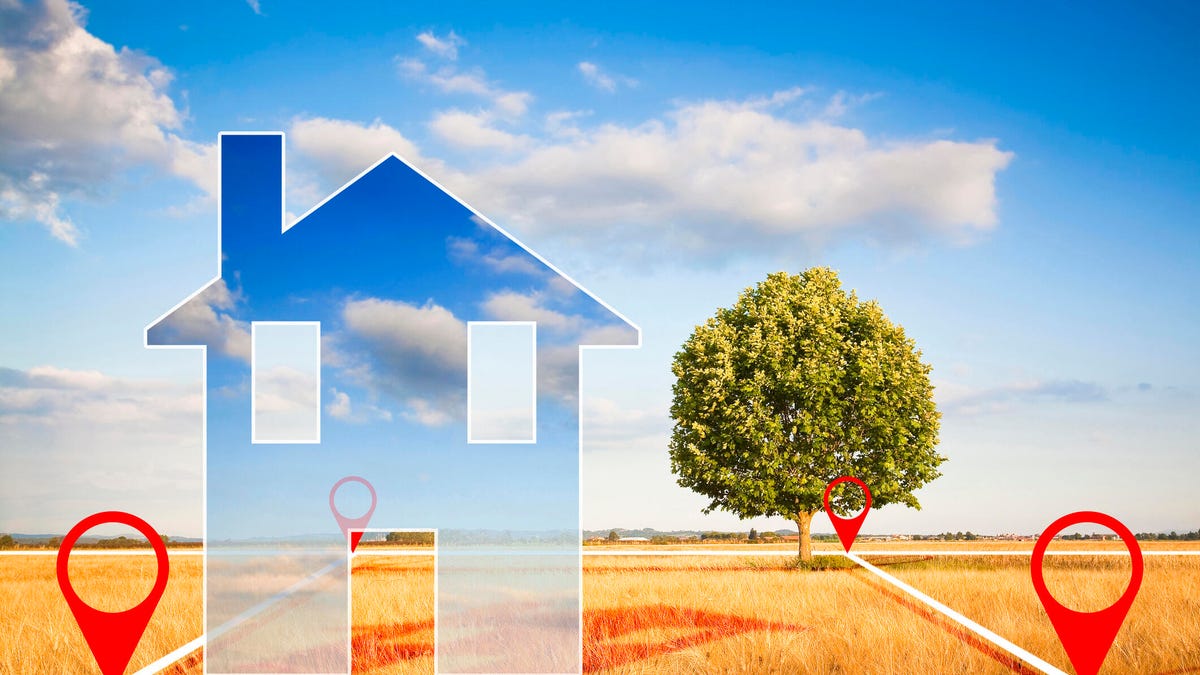
Geofencing is a mobile technology that uses GPS to create virtual boundaries around a specific location, often a home. When users leave or approach these boundaries, smart devices can carry out automated tasks like adjusting lighting, securing doors, or optimizing heating and cooling. This functionality can simplify daily routines, allowing users to set their homes to react to their movements automatically.
Getting started with geofencing is straightforward. Users can utilize smart plugs with home/away modes to turn devices on or off based on their location, helping to save energy. Also, existing security systems may support geofencing, allowing for automatic arming and disarming based on whether someone is home.
However, there are important privacy considerations. Geofencing requires continuous access to location data, which raises concerns about how personal information is collected and used. Companies may utilize this data for analysis or share it with third parties, although this usually involves user consent.
While consumer-focused geofencing is generally safe, bugs or app errors can lead to mishaps, such as a disarmed security system. It is crucial for users to be aware of the implications of enabling location services, balancing convenience with privacy needs. For enhanced compatibility, look for devices that integrate with major platforms like Alexa, Apple Home, and Google Home.
The content above is a summary. For more details, see the source article.









