


Key Takeaways
- The American automobile industry has evolved from a symbol of national pride to a representation of global manufacturing collaboration.
- Historic design trends, such as tailfins and the shift to utilitarian truck designs, reflect changes in American societal values.
- Modern American cars prioritize utility and ruggedness, signaling a shift in consumer preferences towards larger vehicles like trucks and SUVs.
Defining American Cars
The concept of an “American car” has sparked a rich dialogue amid the nation’s deep-seated relationship with automobiles. With millions of miles of paved roads and substantial household expenditures on cars, these vehicles have become integral to American identity.
While historic factories in places like Flint, Michigan, once produced vehicles that embodied the American ethos, contemporary cars are a blend of global influences. Despite their origins, modern American cars often feature parts and design elements from various countries, making them a reflection of international collaboration.
For decades, American vehicles showcased distinct designs that evolved from early carriages—characterized by tall grilles, long hoods, and chrome details. These aspects provided a sense of power and prestige that came to define the American car. However, significant changes began in the 1930s during the Great Depression, leading to the introduction of annual model updates that further differentiated American cars from their global counterparts.
By the mid-20th century, the design landscape shifted dramatically. Figures like Harley Earl, a design leader at GM, played pivotal roles in evolving car aesthetics, epitomized by the famous tailfin—a symbol of post-war optimism. Yet, as global events unfolded, especially the launch of Sputnik, tailfins became contentious symbols of American excess, prompting further design evolution towards cleaner lines by the 1960s.
The 1970s marked a turning point for American automakers, who faced a crisis when fuel prices surged and regulations changed. The industry began to downsize cars and rethink design strategies, favoring practicality over extravagance. Innovations like flush headlights signaled an embrace of modern design principles amid a wave of foreign competition.
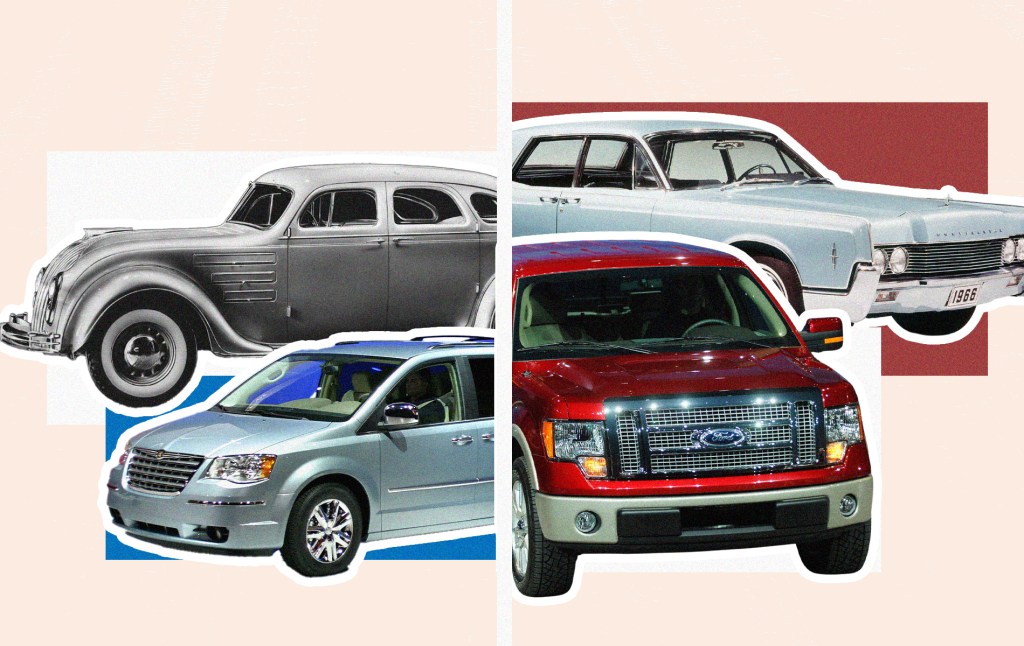
Today, the quintessential American car isn’t necessarily sleek but often manifests as large trucks and SUVs, catering to a market that prioritizes utility and capability. Vehicles like the Ford F-150 and Jeep Wrangler represent this shift, embodying traits that resonate with a consumer base nostalgic for ruggedness and authenticity.
Ultimately, the essence of the American automobile goes beyond mere aesthetics. It is a reflection of societal shifts, aspirations, and individual identities, embodying what it means to be American in an evolving landscape. The relationship between Americans and their cars continues to evolve, mirroring broader cultural transformations across the nation.
The content above is a summary. For more details, see the source article.









