


Key Takeaways
- The Philippines is advancing its smart city initiative, guided by the Department of Science and Technology (DOST).
- Cauayan City was the first officially recognized smart city in the country, with numerous local government units (LGUs) now participating.
- Technical innovations like GIS mapping and disaster management programs are enhancing urban resilience and sustainability.
Understanding Smart Cities in the Philippines
Smart cities are emerging in the Philippines as technology-driven communities aimed at improving urban living conditions. The Department of Science and Technology (DOST) defines a smart city as one that employs technology and innovation to foster sustainability, livability, and responsiveness to its residents’ needs. The DOST’s “Expanded Framework on the Development of Smart, Resilient, and Sustainable Cities and Communities,” introduced in 2022, outlines essential indicators for these developments, including economic opportunities, environmental quality, and urban planning.
Cauayan City in Isabela has set a benchmark by being the first officially recognized smart city in the Philippines, showcasing digital solutions such as free Wi-Fi in 65 villages, a citizen ID system, and a dedicated city app that serve both residents and businesses. Currently, around 91 local government units (LGUs) are engaged in the DOST’s Smart and Sustainable Communities Program (SSCP), surpassing the initial target of 80 LGUs with an additional 10-15 cities awaiting enrollment.
Recent findings from a 2023 survey conducted by the Department of Interior and Local Government (DILG) and the World Bank indicate significant interest in smart city development among urban LGUs. About 70 percent of the 115 urban LGUs are preparing for smart city initiatives, with 61 percent already implementing ongoing projects, while 56 percent have established supportive policies.
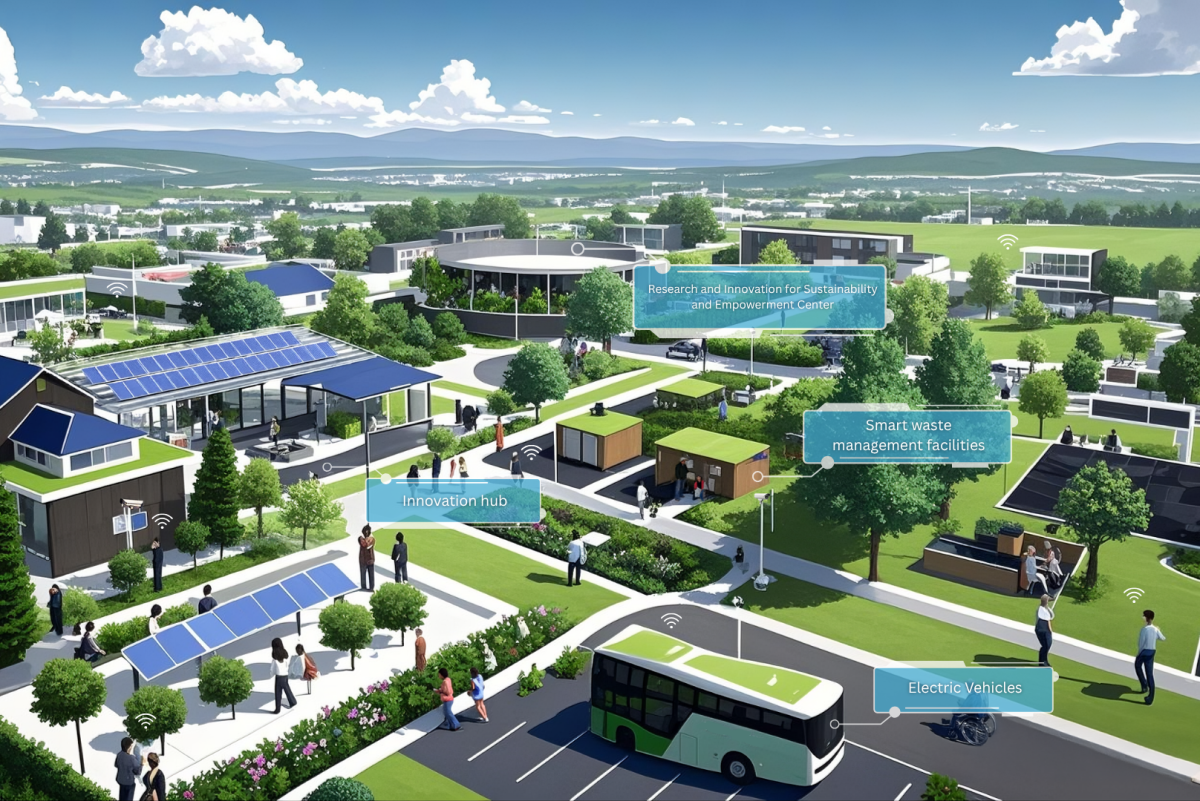
Several cities are emerging as role models in this landscape. Santiago City, nominated for the Philippine Smart and Sustainable Communities (SSC) Award 2025, has inaugurated the Research and Innovation for Sustainable Empowerment Center (RISE-C), which focuses on interdisciplinary research and innovation to solve real-world issues. Initiatives at RISE-C include smart agriculture and climate action.
Similarly, the LGU of Prieto Diaz in Sorsogon is enhancing disaster risk management to bolster community resilience against tsunamis while promoting the well-being of its residents through nutritional programs. The locality was recognized as the best CEST Community last year, aiding its nomination for the SSC Award this year.
The DOST’s International Smart City Exposition and Networking Engagement (iSCENE) further fosters collaboration among local leaders, government officials, and industry representatives, promoting innovative solutions for smarter communities. The continued development of smart cities in the Philippines signifies a commitment to leveraging technology for enhanced urban living and sustainability.
The content above is a summary. For more details, see the source article.









