


Key Takeaways
- Meta is collaborating with defense contractor Anduril to develop AI-integrated virtual and augmented reality training devices for military personnel.
- Concerns have arisen over Meta’s history with disinformation and its influence on military training practices.
- Meta’s CTO suggested a cultural shift in Silicon Valley toward supporting military technology, despite a controversial past linking tech to harmful outcomes.
New Defense Technology Initiative
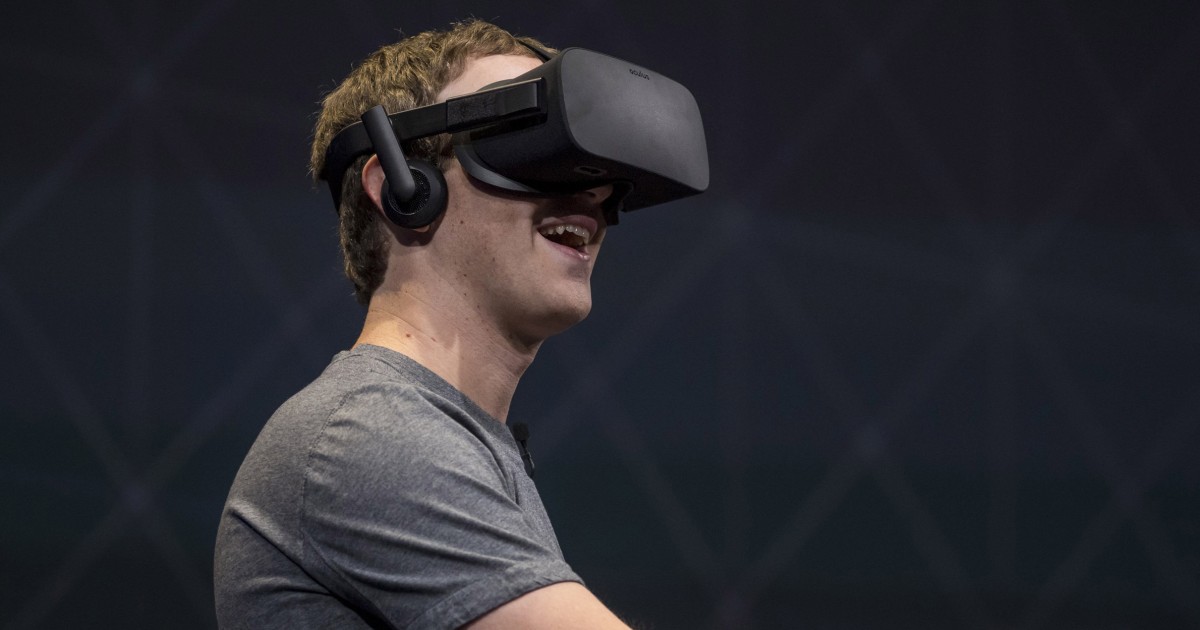
Meta, under CEO Mark Zuckerberg, is venturing into military technology through a partnership with Anduril, a defense contractor. The collaboration aims to create a series of virtual and augmented reality training devices, which utilize artificial intelligence to enhance military training. As reported by The Wall Street Journal, these new devices, called EagleEye, will feature rugged helmets, glasses, and other wearables, designed to improve soldiers’ sensory capabilities by detecting objects such as drones from long distances. These tools would also allow for interaction with AI-operated weapon systems.
However, this initiative raises significant ethical questions given Meta’s troubled background in managing disinformation. The company has acknowledged its platform’s role in propagating genocidal propaganda, particularly in cases like the Rohingya genocide in Myanmar. In 2019, a Senate report stated that Meta’s platforms had been utilized to manipulate voter sentiment during the 2016 U.S. elections. These incidents raise concerns about whether a company with such a track record should have a hand in military training.
In comments to Bloomberg, Meta’s Chief Technology Officer Andrew Bosworth pointed to a “silent majority” in Silicon Valley that favors engaging in defense-related projects. He stated that there has been a shift toward support for the military within the tech industry, suggesting a patriotic resurgence reminiscent of Silicon Valley’s origins, which include military technological development. Bosworth conveyed hope for what he described as a return to that historical focus.
However, the darker aspects of this history, particularly as chronicled in works like Malcolm Harris’s “Palo Alto,” demonstrate the often troubling links between Silicon Valley and the defense sector. Alongside this, Meta has been scrutinized due to past efforts to develop censorship tools aligned with China’s authoritarian regime, which further complicates its credibility as a partner in military advancements.
The potential implications of virtual reality tools in the military arena raise alarms, especially under a political environment that has previously leaned toward using propaganda and threatening civil liberties. As calls grow for regulation around artificial intelligence technologies, stakeholders need to closely monitor Meta’s partnership and its developments to ensure they align with human rights standards and civil values. The intersection of AI and military training warrants critical oversight to avoid historical missteps that could endanger civil society.
The content above is a summary. For more details, see the source article.









