


Key Takeaways
- Prairie Robotics is partnering with municipalities across North America to reduce contamination in recycling programs, leveraging AI-enabled camera systems in collection trucks.
- A $1.8 million EPA grant supports a two-year project in Tacoma, Washington, aimed at educating residents on proper recycling practices.
- The technology helps identify real-time contamination, allowing for tailored educational outreach to residents while aiding municipalities in monitoring recycling habits.
Expansion of AI in Recycling
Prairie Robotics, a Canadian company specializing in AI-enhanced camera systems for recycling trucks, is broadening its partnerships with North American municipalities aiming to minimize contamination in curbside recycling programs. Currently, the firm collaborates with around 40 cities in Canada and the U.S.
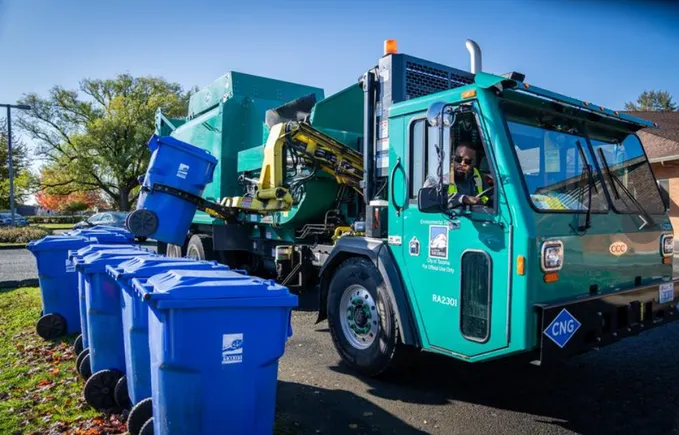
A key partnership recently formed with the City of Tacoma, Washington, centers around a two-year project bolstered by a $1.8 million grant from the U.S. EPA, designated for their Recycling Education and Outreach program. The initiative is designed to inform Tacoma residents about what materials can be appropriately recycled.
Tacoma is one of several cities where Prairie Robotics has established relationships, joining others like Centerville, Ohio; Livermore, California; and Springdale, Arkansas. CEO Sam Dietrich mentions that even more partnerships are in the works. The technology is also integrated with haulers like GFL Environmental and Waste Connections, enabling them to analyze data on metrics such as the frequency of bin set-outs and the prevalence of overfilled containers.
Innovative Technology for Real-Time Monitoring
Traditionally, collection vehicles have utilized cameras for safety and fleet management, but Prairie Robotics is adapting this technology for a new purpose: real-time monitoring of recycling contamination. The cameras can identify inappropriate materials, such as food waste or trash, as they enter recycling trucks. Once contamination is detected, the system notifies local authorities, who can then send customized educational materials to the relevant households.
The technology has gained traction as municipalities and private haulers address the financial burden of contamination and seek cleaner, more valuable recycled materials. Tacoma’s goal is to gain insights into residents’ recycling habits to tailor messaging more effectively.
Lewis Griffith, Tacoma’s Solid Waste Management division manager, emphasized that reducing contamination is essential for service delivery and cost-efficiency for all residents. The pilot program will gradually be implemented over the next year, with initial postcard notifications starting soon; however, residents will not face penalties for contamination during the pilot phase.
Customized Solutions for Municipal Needs
Dietrich noted that Prairie Robotics can adapt its services to each municipality’s specific requirements. Tacoma’s officials requested the ability for route supervisors to manage contamination within their assigned neighborhoods, differing from other cities that analyze data on a broader scale.
Municipalities may utilize the service in various ways, such as sending personalized warning letters to households with high contamination rates or employing the technology to track particular types of recycling material. In Olympia, Washington, the technology integrates with a mobile app to optimize in-person audits of problematic households.
Commercial haulers can also leverage the data to pinpoint contamination sources on specific buildings, allowing for rapid response and resolution.
Future Integration and Long-Term Contracts
Many of Prairie Robotics’ partnerships start with pilot projects, but most have transitioned to long-term contracts, including its initial project in Regina, Saskatchewan.
Looking ahead, the company plans to enhance its technology for better integration with other recycling applications, such as Recycle Coach, which assists residents with collection reminders and sorting guidance. For example, subscribers in British Columbia’s Okanagan region will receive notifications based on local contamination data.
This effort marks a significant stride toward leveraging technology to improve recycling outcomes while fostering community engagement in sustainable practices.
The content above is a summary. For more details, see the source article.









