
Key Takeaways
- Malaysia’s Smart Cities Expo aims to advance the nation’s goal of becoming an AI leader.
- The event fosters collaboration among global experts, including 22 mayors, to implement AI solutions in urban areas.
- The upcoming AI Nation 2030 Roadmap emphasizes ethics, accessibility, and community empowerment through technology.
Expo Highlights Malaysia’s AI Vision
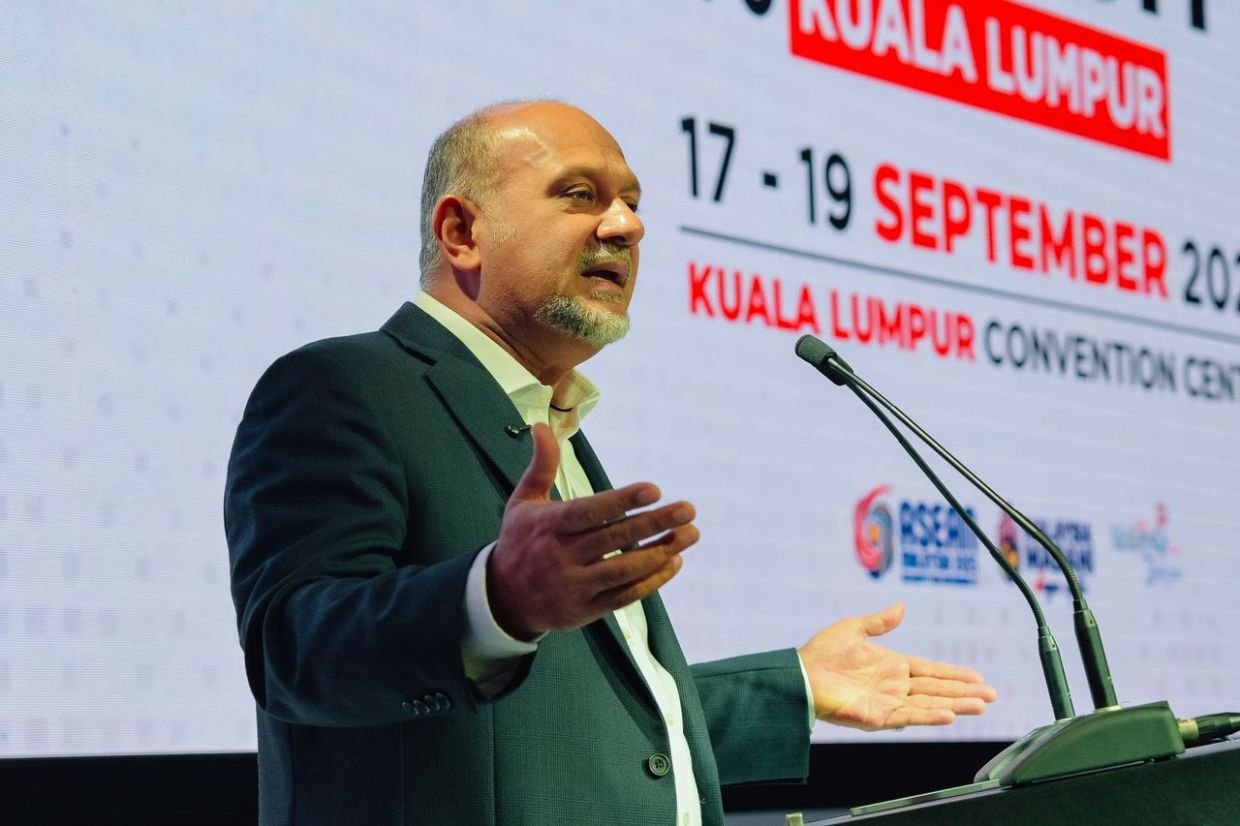
Malaysia’s Smart Cities Expo Kuala Lumpur (SCEKL), held on September 17, is positioned as a significant step toward establishing the country as an artificial intelligence (AI) nation, according to Digital Minister Gobind Singh Deo. The Expo encourages collaboration among key stakeholders, aimed at translating the country’s AI vision into practical applications.
Minister Gobind emphasized that SCEKL serves as a “living laboratory,” where innovative ideas can be tested and partnerships formed. “By showcasing real-world applications of AI in areas such as mobility, energy, governance, and healthcare,” he stated, “the Expo transforms our vision of an AI Nation into action that unfolds across cities and communities.”
With 120 exhibitors participating, including major players like Huawei, Intel, and Dell, the Expo showcases cutting-edge smart city solutions. Notable contributions include the presentation of the KL Command & Control Centre by Dewan Bandaraya Kuala Lumpur (DBKL). The event has attracted 22 city leaders, including mayors from the Philippines and Thailand, reflecting a collective commitment to shaping a shared urban future.
The Minister further outlined the forthcoming AI Nation 2030 Roadmap, which aligns with Malaysia’s Digital Economy Blueprint and the National Fourth Industrial Revolution (4IR) Policy. This roadmap identifies vital areas such as agriculture, education, healthcare, smart cities, transport, and public services as strategic sectors where AI adoption can yield significant benefits.
Gobind’s vision for the AI Nation focuses on empowering individuals and communities, stressing that the technology should serve a broader purpose beyond industry and government. The aim is to enhance public services and improve daily lives, ensuring an ethical and human-centered approach to AI integration. “Every citizen should benefit from innovation,” he asserted, “with no one left behind in the digital transformation.”
Through initiatives like SCEKL and the AI Nation 2030 Roadmap, Malaysia aims to create a future where technology fosters inclusion, trust, and opportunities for all.
The content above is a summary. For more details, see the source article.