


Key Takeaways
- Google has introduced the new Home Speaker, its first audio device since 2020, designed for AI capabilities with Google Gemini.
- Amazon’s Echo Dot Max and Echo Studio speakers are currently available for preorder, while Google’s speaker will be released in spring 2026.
- Both companies offer improved sound systems, but Amazon’s models currently have a subscription advantage with Alexa+ included for Prime members.
New Smart Speakers Unveiled
Google has launched the new Google Home Speaker, marking its return to the audio market since the Nest Audio in 2020. The speaker is specifically designed for the AI capabilities of Google Gemini, positioning it as a significant advancement in home audio technology. In contrast, Amazon recently announced its Echo Dot Max and Echo Studio speakers, which integrate the upgraded Alexa+ voice assistant available exclusively in the U.S.
Pricing and Availability
The Echo Dot Max is priced at $99.99, while the Echo Studio costs $219.99. Both are available for preorder and set to release on October 29. Google’s Home Speaker also matches the Echo Dot Max’s price but will not be available until spring 2026, a delay attributed by Google to their commitment to prioritizing the rollout of Gemini for existing devices in homes.
AI Features
Amazon’s Echo speakers will include Alexa+ for $19.99 a month; however, Prime members can access these features as part of their $14.99 monthly subscription. On the other hand, to utilize advanced features of the Google Home Speaker, users must subscribe to Google Home Premium, which offers two tiers—Standard and Advanced—ranging from $10 to $20 per month. This pricing structure may influence consumer decisions, especially given that many Amazon customers are already Prime members.
Sound System and Home Integration
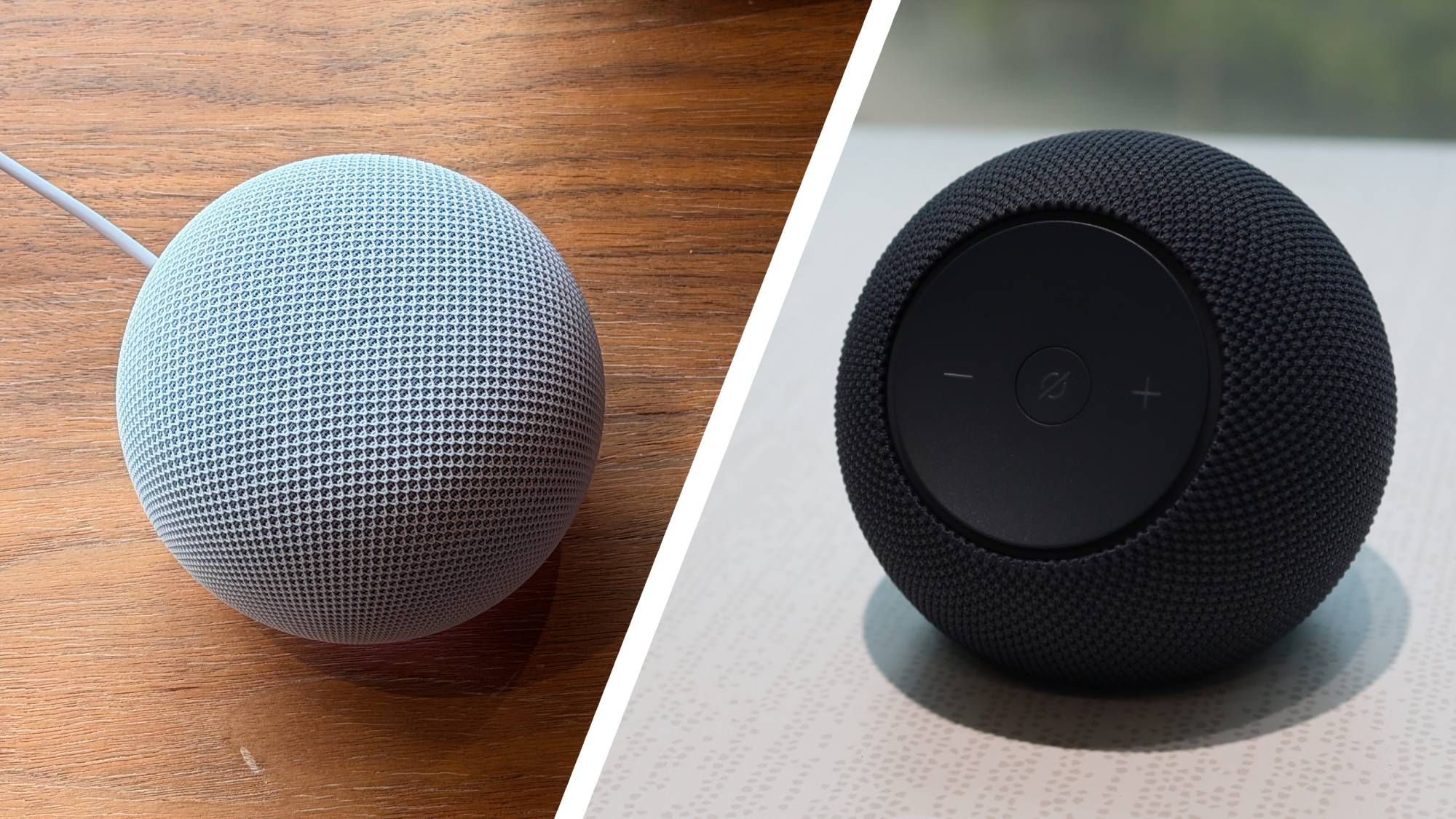
Both the Echo and Google Home devices feature a 3D-knitted design with upgraded sound systems, leveraging 360-degree spatial audio technology. While Amazon touts a threefold bass enhancement and Dolby Atmos support, the Google Home Speaker lacks such high-end features. For home theater enthusiasts, Amazon’s setup allows connection to five Echo devices for surround sound, whereas the Google Home Speaker can connect to a Google TV streamer with a maximum of two devices.
Market Comparison
It is premature to determine which company offers the superior product, given the limited specifications currently available for Google’s Home Speaker. Initial feedback suggests that Amazon may have an edge, especially in terms of subscription value for AI features.
In conclusion, potential buyers must weigh factors such as AI functionality, compatibility, and existing subscriptions. Until more is known about the Google Home Speaker’s performance once released, many consumers may lean toward Amazon’s offerings, given their immediate availability and established user base with Alexa+.
The content above is a summary. For more details, see the source article.









