


Key Takeaways
- The 11th Street Bridge Park exemplifies successful community-driven development, emphasizing inclusivity and ownership.
- Engagement requires consistent communication and advocacy to ensure community voices shape projects and policies.
- Lessons from the project are applicable nationwide, informing similar efforts in cities like Baltimore and Los Angeles.
Transforming Urban Spaces Through Community Engagement
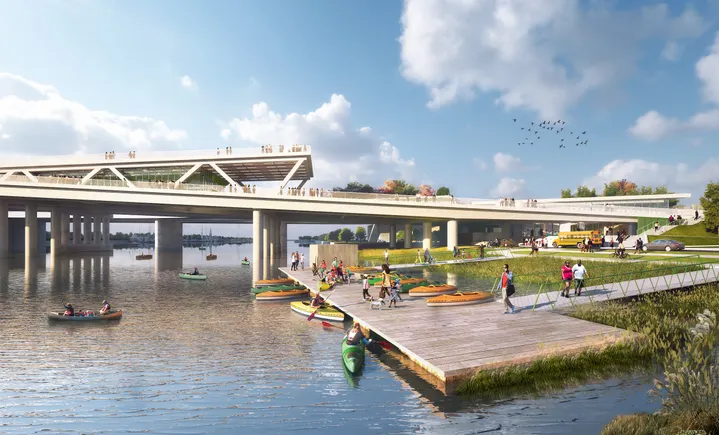
Scott Kratz, president and CEO of Building Bridges Across the River, is the driving force behind the 11th Street Bridge Park, an ambitious project aiming to repurpose a defunct bridge in Washington, D.C. into a vibrant public space. Launched in 2011, this initiative sought to create a civic hub that features green areas, cultural events, and community facilities, all supported by grassroots input.
From its inception, the Bridge Park project lacked funding and a design. However, it was fueled by the idea that the abandoned structure could become a critical link between communities. Central to this vision was the belief that consistent dialogue with local residents was essential for success. After more than 1,000 community meetings, the project is now on track for a groundbreaking expected in early 2026, incorporating community priorities into its design.
Key lessons from the Bridge Park experience highlight the importance of principles in community engagement rather than mere architectural or budgetary considerations. These lessons are valuable for other cities facing similar challenges. Below are some vital takeaways:
Understanding and Respecting Diversity: In the diverse Southeast D.C. community, inclusive dialogue about differing perspectives has been pivotal. Instead of favoring select voices, the approach fosters wide-ranging discussions, even if they involve difficult topics. This inclusivity is exemplified in the park’s design, ensuring that under-resourced areas gain access to vital resources, such as urban gardens and recreational spaces addressing local health disparities.
Fostering Community Ownership: Building genuine community buy-in is crucial; however, true sustainability stems from residents feeling a sense of ownership over the project. Communication in this regard should not merely serve as a procedural step, but rather entail ongoing engagement. The team has conducted walking tours on the old bridge, organized local events, and celebrated community milestones, thus establishing a presence that empowers residents and reassures them that their voices matter.
Engaging in Advocacy: The project team goes beyond listening, actively advocating for tenant rights, training programs, and health initiatives based on community input. Addressing fears of displacement is crucial, especially in areas experiencing high levels of development. Initiatives like the Douglass Community Land Trust, which aims to preserve affordable housing, exemplify how resident feedback can influence policy outcomes.
As evidenced by its progress, the Bridge Park project is not merely a standalone endeavor; it reflects a broader movement of community engagement that promotes tangible community benefits. The methods employed in D.C. can serve as a model for urban development efforts across the country, providing critical insights into making community-driven projects a reality.
The content above is a summary. For more details, see the source article.









