

Key Takeaways
- India added a record 31.25 GW of non-fossil energy capacity in the current financial year, including 24.28 GW of solar.
- The new rooftop solar ULA model in Odisha aims to empower 7-8 lakh people by installing 1.5 lakh solar systems.
- India’s solar capacity surged from 2.8 GW to around 130 GW in the past 11 years, making it a key player in global renewable energy growth.
India’s Renewable Energy Expansion and Initiatives
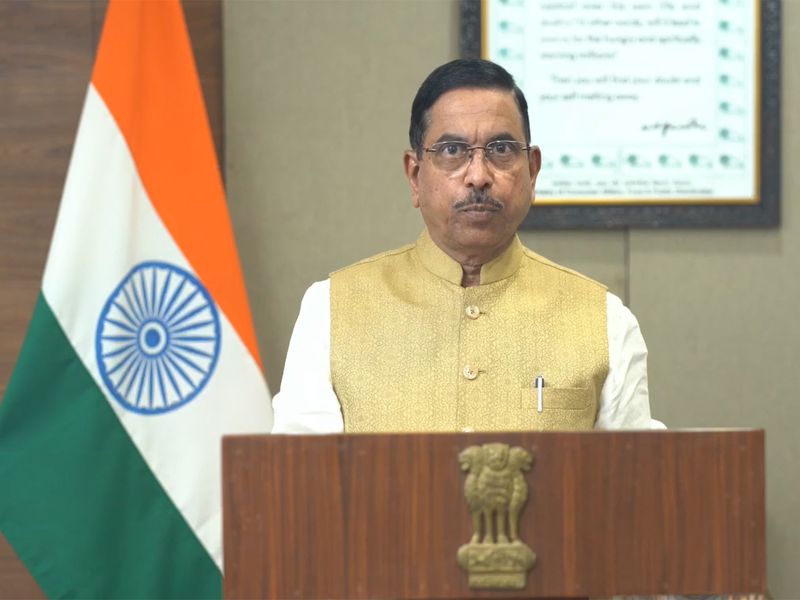
At the Global Energy Leaders’ Summit 2025 in Puri, Odisha, Union Minister of New and Renewable Energy Pralhad Joshi announced significant developments in India’s clean energy sector. The country has achieved its highest-ever non-fossil capacity addition, recording 31.25 GW this financial year, which includes an impressive 24.28 GW of solar power.
Joshi introduced a rooftop solar utility-led aggregation (ULA) model for Odisha, aimed at installing 1.5 lakh solar systems. This initiative is set to benefit approximately 7-8 lakh people, especially from economically disadvantaged backgrounds. The minister remarked on India’s remarkable transition towards renewable energy, emphasizing that the world witnessed a doubling of renewable capacity from 1 TW in 2022 to 2 TW by 2024, with India contributing 46 GW to global solar capacity during this short span.
Despite being the second-largest coal consumer and holding the fifth-largest coal reserves worldwide, India is navigating an energy transition by balancing coal and renewable energy sources. The urgency for this transition is underscored by the current global energy landscape, which is increasingly influenced by mechanisms that affect industrial competitiveness.
In Odisha, the push toward clean energy is evident, with a current renewable capacity of over 3.1 GW, accounting for more than 34 percent of the state’s total power capacity. Under the Prime Minister’s Surya Ghar Yojana, there are reports of 1.6 lakh household applications for rooftop solar systems, with 23,000 installations completed and substantial subsidies disbursed to beneficiaries.
Joshi highlighted the supportive ecosystem fostered by the central government, which includes improved business conditions, infrastructure, and strong cooperation between state and central authorities. He expressed optimism for Odisha’s future in advancing renewable energy, praising local leadership for their commitment to green technology and sustainable development.
The content above is a summary. For more details, see the source article.